Last updated November 21, 2026
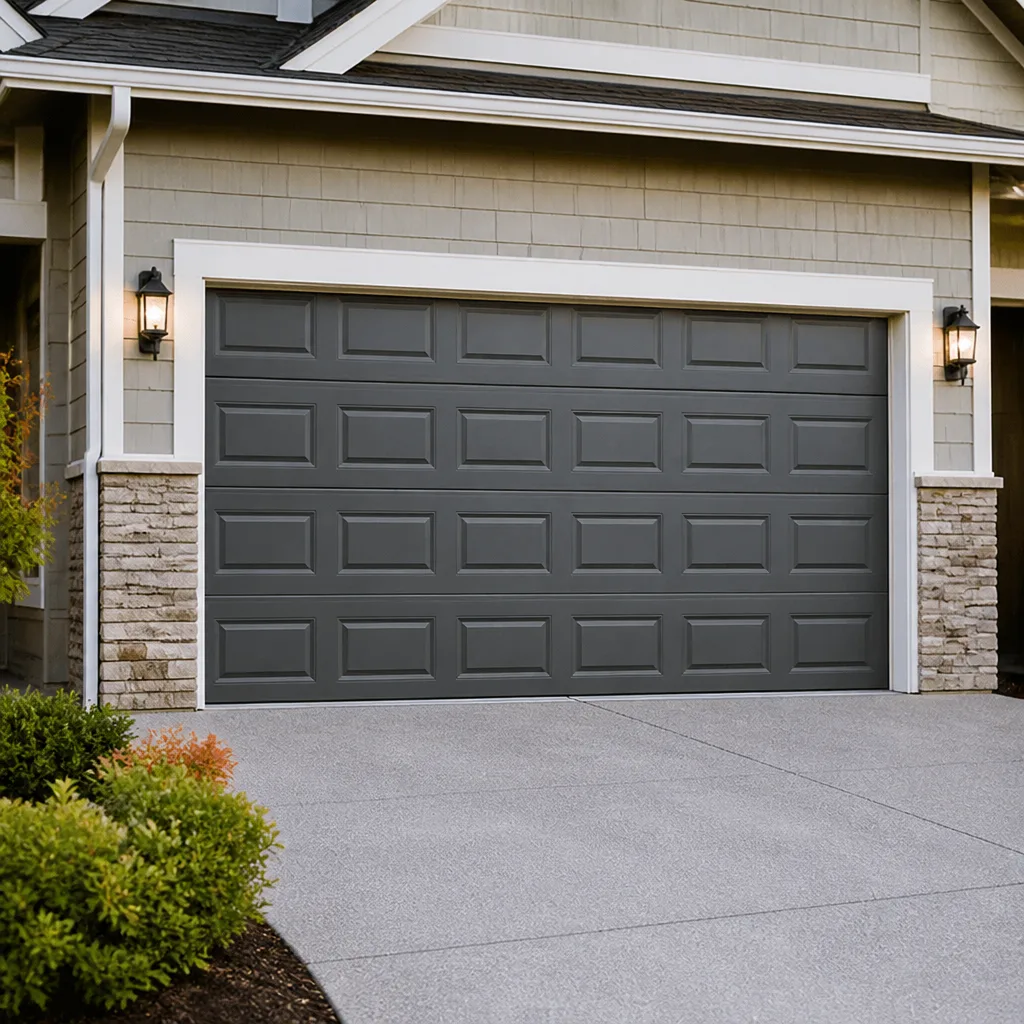 Raised-panel steel
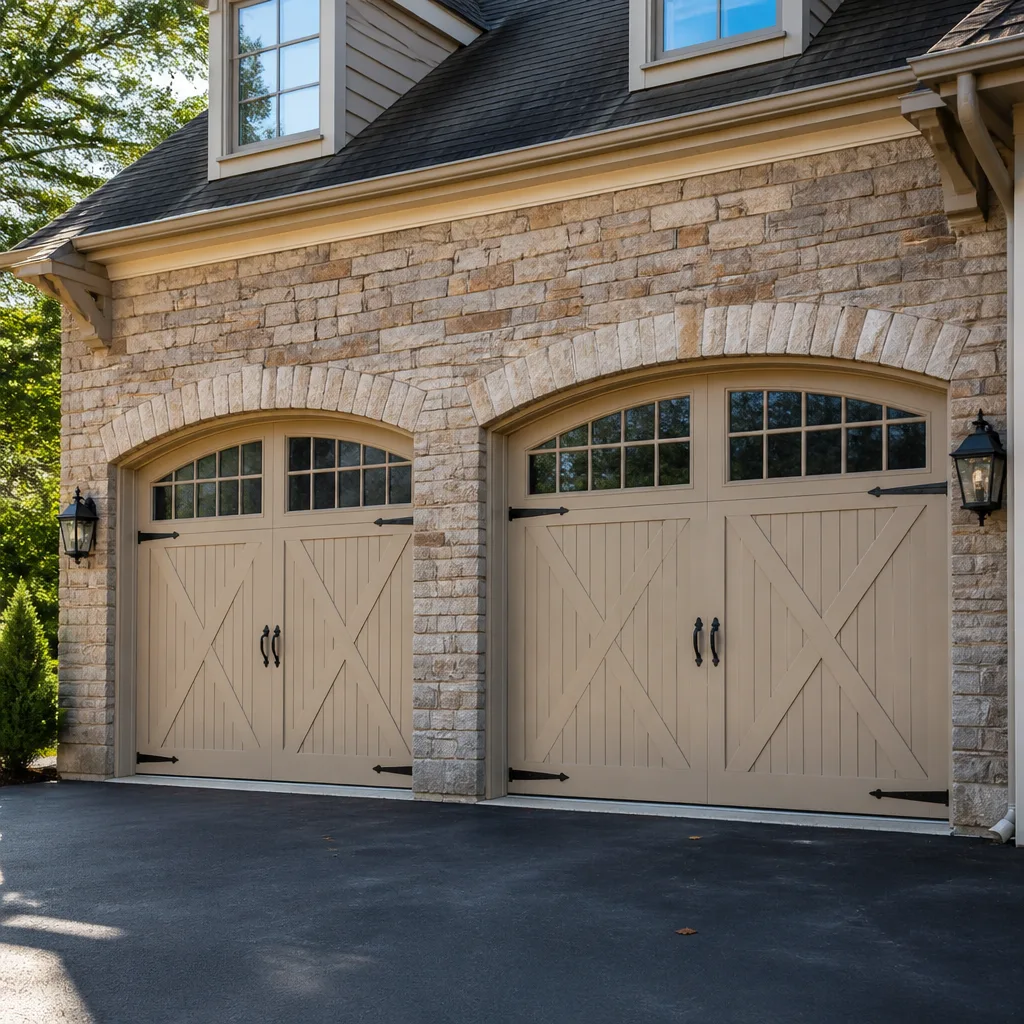 Carriage house
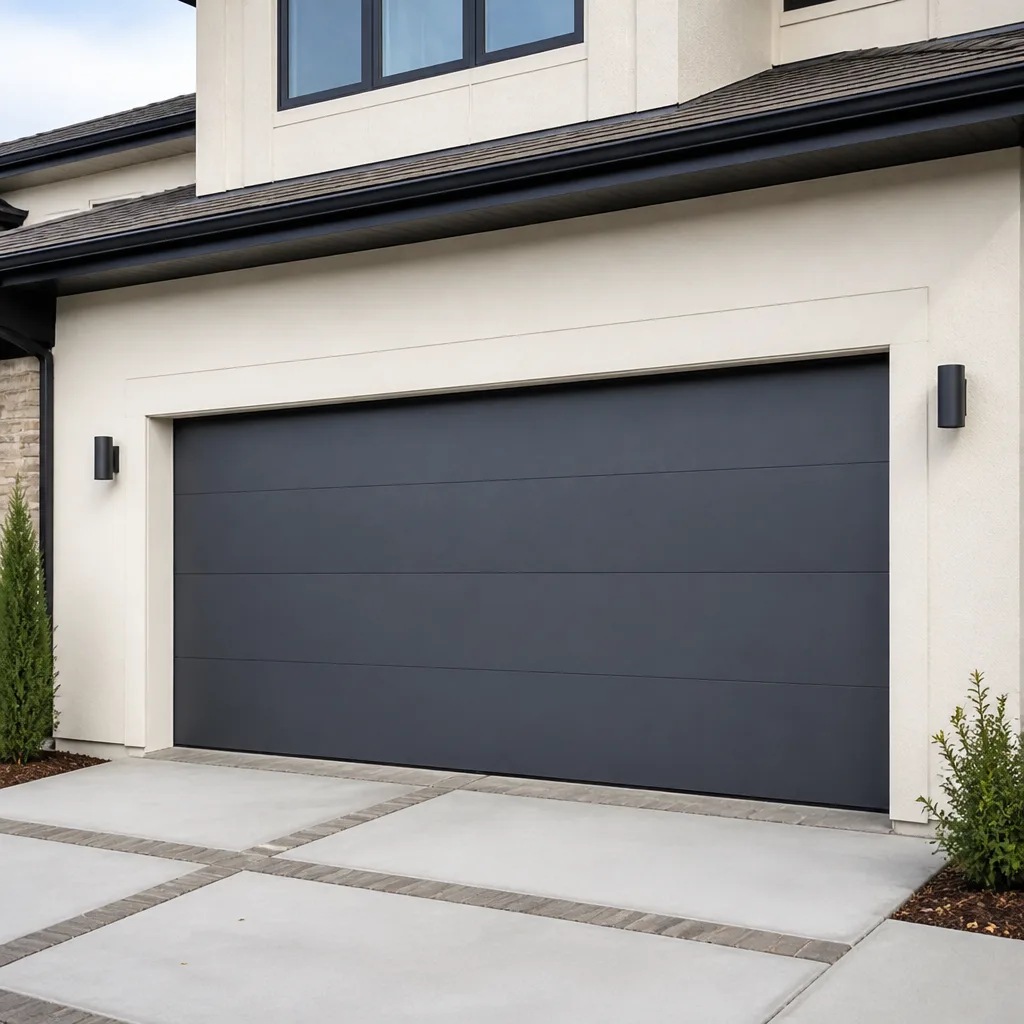 Modern flush
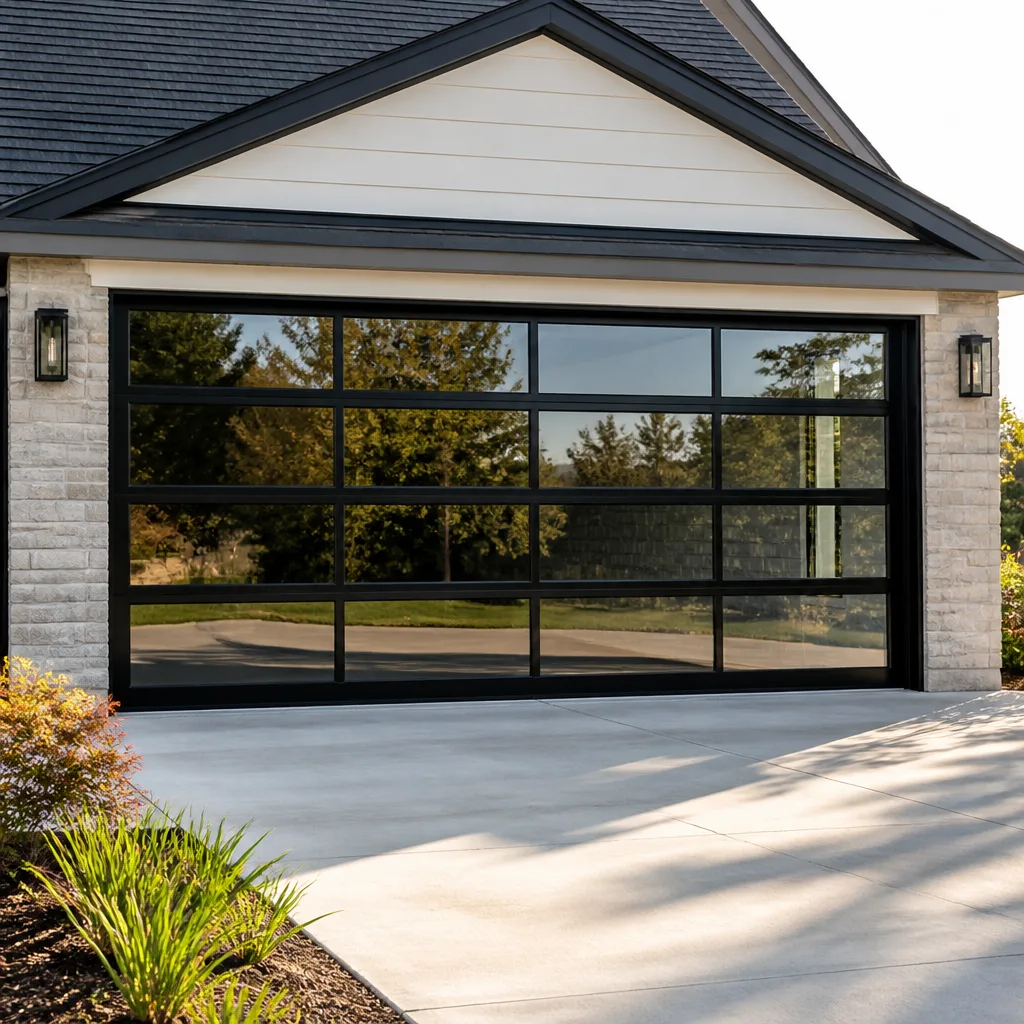 Full-view glass
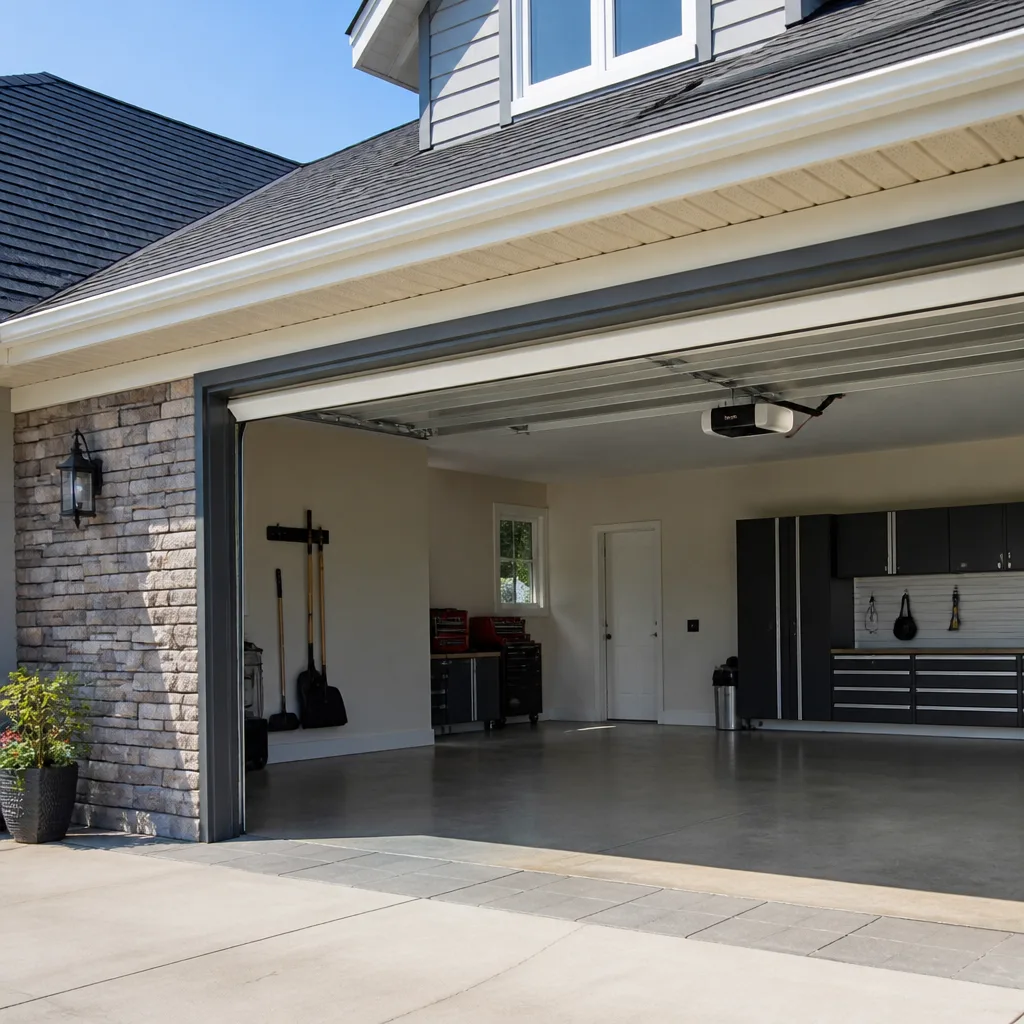 LiftMaster openers
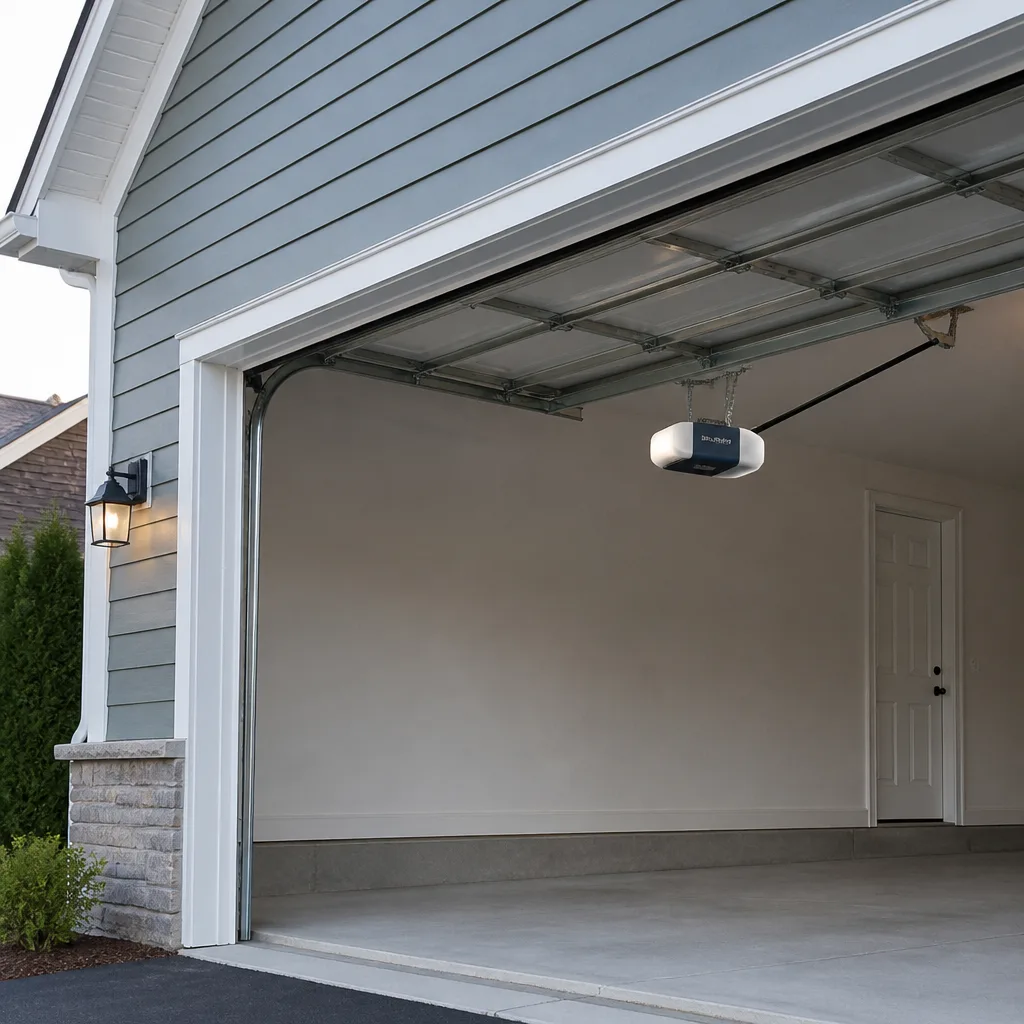 Chamberlain openers
Full 25-point door and opener safety check with every visit - springs, cables, rollers, tracks, and your LiftMaster or Chamberlain opener included
You get a price before we start. It does not change when the pro arrives.
Get your free estimateGarage Door Permits, Codes & Inspections in Hell’s Kitchen, NY: What You Need to Know
Most Hell’s Kitchen homeowners assume a garage door swap is a simple swap. Old door out, new door in, no paperwork, no city involvement. That assumption works fine right up until a door replacement triggers a code review nobody saw coming, and the job that started as a weekend upgrade turns into a stop-work order and a retroactive filing. In New York City, replacing a garage door in a landmarked building or a designated historic district can require approval from more than one agency before anyone touches a track. Hell’s Kitchen has pockets of both. This guide lays out when you need a permit, when you don’t, what the code actually asks of a door, how co-op and condo alteration agreements fit in, and how to clean up unpermitted work before a sale.
Quick Answer
In Hell’s Kitchen, a straight like-for-like garage door replacement on a one- or two-family home in an ordinary zoning district usually does not need a NYC Department of Buildings permit, while a new opening, a structural change, a change to fire-rated doors in an attached or below-grade garage, or work inside a landmarked building or historic district generally does. If your building sits under Local Law 11 facade rules near a historic district or your co-op requires an alteration agreement, the city permit and the building approval are two separate processes, and you’ll likely need both. When in doubt, ask the DOB and the Landmarks Preservation Commission directly before ordering a door.
Styles & brands we work with
- Raised-panel steel
- Carriage house
- Modern flush
- Full-view glass
- LiftMaster openers
- Chamberlain openers
Table of Contents
- Does a garage door replacement need a NYC DOB permit?
- Landmarks and historic districts in and around Hell’s Kitchen
- Fire-rated doors for attached and below-grade garages
- How co-op and condo alteration agreements interact with permits
- What an inspection actually checks
- Unpermitted work and how to remediate it before selling
- What permits, filings and specialty work cost in Hell’s Kitchen
- Who pulls the permit, and who signs off
Does a garage door replacement need a NYC DOB permit?
Sometimes yes, sometimes no, and the line between them is narrower than most people think. A like-for-like replacement, same opening, same size, same material family, no structural change, on a residential property that isn’t landmarked, usually falls outside the permit requirement. The moment you cross into a new opening, a wider door, a different material that changes the load, or a fire-rated assembly in a covered garage, the DOB generally wants to see a filing. The practical way to sort it out is to describe the exact job in writing to the DOB before you order a door.
Here’s the short version of the decision tree we walk customers through:
- Same size, same material, same location, non-landmarked building: usually no permit, but confirm with the DOB in writing.
- Same size, but the door is part of a fire-rated assembly: permit likely, because the fire rating has to be documented.
- New opening, wider opening, header change, or track relocation: permit required, and structural review applies.
- Landmarked building or within a designated historic district: LPC approval first, DOB permit second.
- Co-op or condo with an alteration agreement: building approval in parallel with the city process, not after.
One detail that trips people up in Hell’s Kitchen specifically: a lot of the housing stock is older than the code that governs it today. A door that’s been in place for decades may predate current fire-rating rules or egress requirements, and a replacement can pull the whole assembly into a review that the original install never faced. That’s not the city being difficult. It’s the code catching up to the building.
If you’re mid-project and want someone to look at the door itself while the paperwork runs, our garage door repair service can handle a broken spring or a bent track without waiting on the permit timeline. The permit covers the installation, not a repair.
Landmarks and historic districts in and around Hell’s Kitchen
Hell’s Kitchen sits next to some of the most heavily regulated historic fabric in Manhattan. The Clinton Hill Historic District and the surrounding landmark-designated blocks mean that a garage door isn’t just a door, it’s an alteration to a regulated facade. If your building is individually landmarked or sits inside a designated historic district, the Landmarks Preservation Commission reviews the change before the DOB will issue a permit. The LPC cares about proportion, material, color, glazing pattern and how the door reads from the street. A modern insulated steel door in a brownstone block is going to get pushback that the same door would sail through in a non-designated building.
What the LPC review typically asks for:
- A clear elevation drawing showing the existing and proposed door.
- Material and finish samples, or manufacturer specification sheets.
- Documentation of how the new door sits within the streetscape.
- Confirmation that the opening itself isn’t changing size or position.
In our experience, the LPC process is a conversation, not a rubber stamp. If you submit a door that respects the building, the review moves. If you submit a door that ignores the block, you’ll spend weeks revising. We work across brand lines, LiftMaster openers and Raynor doors among them, so when a landmarked building restricts the visual profile, we can usually find a model that satisfies both the LPC and the homeowner. That’s one reason we stay brand-agnostic; a single-brand shop can’t do the same.
For a full replacement where the door is being measured and ordered, our garage door installation service coordinates the measurement with the paperwork so you’re not carrying two timelines. The LPC wants spec sheets weeks before the door arrives, and that’s much easier when the same team is handling both.
If you’re unsure whether your building falls inside a designated district, pull the property’s designation status on the LPC website or ask the DOB before ordering anything. Hell’s Kitchen’s edges are uneven, and a block can change designation status mid-street.
Fire-rated doors for attached and below-grade garages
New York City Building Code treats a garage that shares a wall, ceiling or floor with living space differently from a detached structure. An attached garage, and especially a below-grade or under-building garage, needs a door assembly rated for fire separation. When that door is replaced, the fire rating has to be documented, and documentation generally means a permit and an inspection. You can’t swap a labeled fire door for an unlabeled one and call it even.
What the fire-rated question usually comes down to:
- Attached garage on a one- or two-family home: the door and its frame are part of the separation, and the rating matters.
- Below-grade garage under a building: fire separation and ventilation both come into play.
- Garage sharing a wall with a commercial tenant: the rating may be driven by the commercial occupancy, not the residential one.
- Older doors without a visible label: the rating is presumed by the assembly, and the DOB will want to see how the replacement maintains it.
The reason this matters beyond the permit: a fire-rated door that loses its label or its rating during replacement can create a life-safety gap, not just a paperwork gap. We flag this to every Hell’s Kitchen customer whose garage sits under or inside the building. Spring and track work is one thing, but a fire-rated assembly is not a DIY project in any sense, and we handle that work only with trained specialists. If the door itself is failing, call us and we’ll look at it; if the rating is the question, the DOB holds the answer.
How co-op and condo alteration agreements interact with permits
A city permit and a co-op alteration agreement are two completely different approvals, and Hell’s Kitchen has plenty of both. The city cares about the code. The building cares about its own rules: insurance, work hours, who’s allowed on the roof, whether you can store materials in the service entrance, whether the door is on an exterior wall that the board treats as its own. You need both. Skipping the building’s process because you have a DOB permit is one of the most common ways a Hell’s Kitchen job stalls mid-installation.
What the building’s alteration review typically wants to see:
- A written scope of the work, including the door model and the opener model.
- Proof of insurance from the contractor doing the installation.
- The DOB permit application, or a written statement that no permit is required.
- A schedule that fits the building’s permitted work windows.
- Confirmation that the work doesn’t touch common areas or shared structural elements.
The order matters. Get the alteration agreement started early, in parallel with the permit review, not after. A door can sit in a warehouse for weeks waiting on a board signature that could have been collected months earlier.
If your opener is the thing that’s failing rather than the door, a garage door opener repair is usually a service call rather than a permit issue, and we can handle it while the alteration paperwork is still moving. It’s worth knowing which half of the system your problem actually lives in.
What an inspection actually checks
An inspection is a point-in-time check that the installed door matches what was filed. The DOB inspector isn’t grading your taste. They’re confirming that the door that went in matches the drawings and specifications in the permit application, and that the assembly meets the required ratings and clearances. If the permit says a fire-rated door of a certain width and the installed door is a different one, the inspection fails and you’re back in revisions.
A typical inspection covers:
- The width, height and material of the installed door against the filed drawings.
- Fire-rating labels and documentation where a rated assembly applies.
- Clearances to the opening and any adjacent structures.
- Whether the counterbalance and safety devices are in place and functional.
- Whether the opening itself matches what was approved.
For a landmarked building, the LPC side runs its own check on the visible result. That review is not the same as the DOB inspection and neither one substitutes for the other. If your door looks different from what was approved, the LPC will ask you to fix it regardless of what the DOB signed off on.
Practically, the way to pass the first time is to install the exact door that was filed, in the exact opening that was approved, with the labels still intact. That’s it. Our habit is to confirm the door on the truck against the filed paperwork before the installation starts, because catching a mismatch in the driveway is cheaper than catching it at the inspection.
Unpermitted work and how to remediate it before selling
Unpermitted garage door work tends to surface during a sale, a refinance, or a neighbor’s complaint to 311. The clean-up path is almost always the same: confirm what was actually installed, figure out what the current code requires, and file a retroactive permit or a legalization application. It’s slower than doing it right the first time, and it costs more, but it’s not the end of the world. What makes it expensive is waiting until a buyer’s attorney finds it and the deal is on the table.
The remediation path usually looks like this:
- Identify the existing door model, material and rating from labels, spec sheets or the manufacturer.
- Determine whether the installed door meets current code for the opening and occupancy.
- File a legalization application with the DOB if the door predates or bypassed a required permit.
- Coordinate with the LPC if the building is landmarked and the door is visible from the street.
- Bring the assembly up to current requirements where the existing install doesn’t meet them.
- Pass inspection and close the file.
For Hell’s Kitchen property managers, the practical advice is to keep a paper trail on every door on the property. Model, rating, install date, and whether a permit was required and obtained. When a sale comes, that file saves weeks. When a spring fails, it saves the guesswork too. A spring on a heavy door with a documented model number is a much faster repair than one on an unknown door with an unlabeled assembly.
If you’re staring at a door that was installed without the right paperwork, call us. We can look at the door and help you figure out what’s actually there, and our Garage Door Repair Hell’s Kitchen team handles the door-side work around whatever the DOB and LPC need from you.
What permits, filings and specialty work cost in Hell’s Kitchen
Costs in Hell’s Kitchen run a bit above the national average because the paperwork is heavier and the buildings are older. The door itself is usually the largest line item, with the permit and filing costs sitting on top as fixed or filing-based fees, and the specialty work (springs, openers, fire-rated assemblies) priced per job. Every number below is a typical estimate for the Hell’s Kitchen market, not a quote. The written estimate we hand you sets the final price, and we agree it before any work starts.
| Item | Typical estimated range |
|---|---|
| DOB garage door permit filing (when required) | Permit fee plus filing cost vary by scope; DOB sets the fee |
| Landmarks Preservation Commission review (when applicable) | Filing fee is separate from the DOB; LPC sets the fee |
| Single torsion spring replacement | $180 – $340 per spring |
| Matched pair of torsion springs | About double the single-spring range |
| Opener repair (LiftMaster, Chamberlain, Genie, Craftsman) | $120 – $280 depending on the failure |
| New opener installation | $320 – $620 depending on the model and rail type |
| Standard single-car door replacement (non-landmarked) | $900 – $2,200 depending on material |
| Fire-rated door assembly (attached/below-grade garage) | Priced per door; the fire rating adds cost to the door, frame and hardware |
| Legalization filing for unpermitted work | Application fees plus any remedial work |
A spring price is for one spring. A matched pair is normally replaced together, so a pair costs about twice the single-spring range. We say that plainly because it’s one of the most common sources of sticker shock on a repair call.
Two things we won’t promise on an installation or replacement: a same-day timeline, and a fixed price before the door has been measured. New-door work is measured, ordered and scheduled, and the LPC or DOB process runs in parallel. What we can promise on a repair or emergency call is a faster path, and we do handle emergency garage door work when a broken door can’t wait. If a spring snaps on a Sunday, call and we’ll book you for the earliest opening, early mornings or Sundays.
Who pulls the permit, and who signs off
The permit has to be pulled by a licensed contractor or a licensed filing representative, and the homeowner can’t generally file a garage door alteration on their own. The licensed professional who pulls it is the one accountable for the work matching the drawings, which is why the choice of contractor matters more than the choice of door in a landmarked or fire-rated job. The sign-off at the end is the DOB inspector’s, and there’s no shortcut around that final inspection.
For a Hell’s Kitchen co-op or condo, the board signs off separately, and their sign-off is not the same as the city’s. Think of it as three sign-offs in a landmarked building: LPC, DOB, building. In a non-landmarked building, it’s often one or two.
One more thing worth saying out loud: don’t let anyone tell you they can “handle” the permit without paperwork. If a contractor offers to skip the filing, they’re handing you the liability. When we quote a job, we tell you plainly whether we think a permit is required and who needs to file it. We don’t pull permits for work outside our trade, and we don’t guess at what the DOB will say. That conversation belongs to you and the DOB, and we’d rather help you have it than pretend it doesn’t matter.
Common Mistakes to Avoid
- Assuming a swap is always exempt. A like-for-like replacement on a non-landmarked building often is, but “often” is not “always,” and the fire-rated question alone can pull a job into a permit. Ask the DOB in writing before you order the door.
- Ordering the door before the LPC review finishes. A door that doesn’t match the approved elevation sits in a warehouse while you revise the application, and revisions take longer than the original review did. Get the sign-off first, then order.
- Treating the co-op alteration agreement as a formality. In Hell’s Kitchen, boards are protective of their facades and their schedules, and a door installed before the alteration agreement is signed can be ordered removed. Start the building process the same week you start the city process.
- Replacing a labeled fire door with an unlabeled one. The rating is part of the assembly, not a sticker you can leave off. An unlabeled fire door is a failed inspection and a real safety problem, and it will surface.
- Ignoring an old unpermitted install until a sale. Unpermitted garage door work surfaces during a title search, and the legalization path is slower than the original permit would have been. Deal with it before a buyer’s attorney finds it.
- Using a generalist for a landmarked job. A handyman can swap a door. A landmarked, fire-rated, below-grade garage door is a specialty install, and the paperwork is a specialty too. Our trade focus is garage doors only, which means we’ve seen the permit question from the door side, not the general contracting side.
- Forgetting that repair and installation are different timelines. A broken spring is a service call. A new door is a measured, ordered, scheduled project. Mixing the two up leads to unrealistic expectations and a rushed install that fails inspection.
See the difference
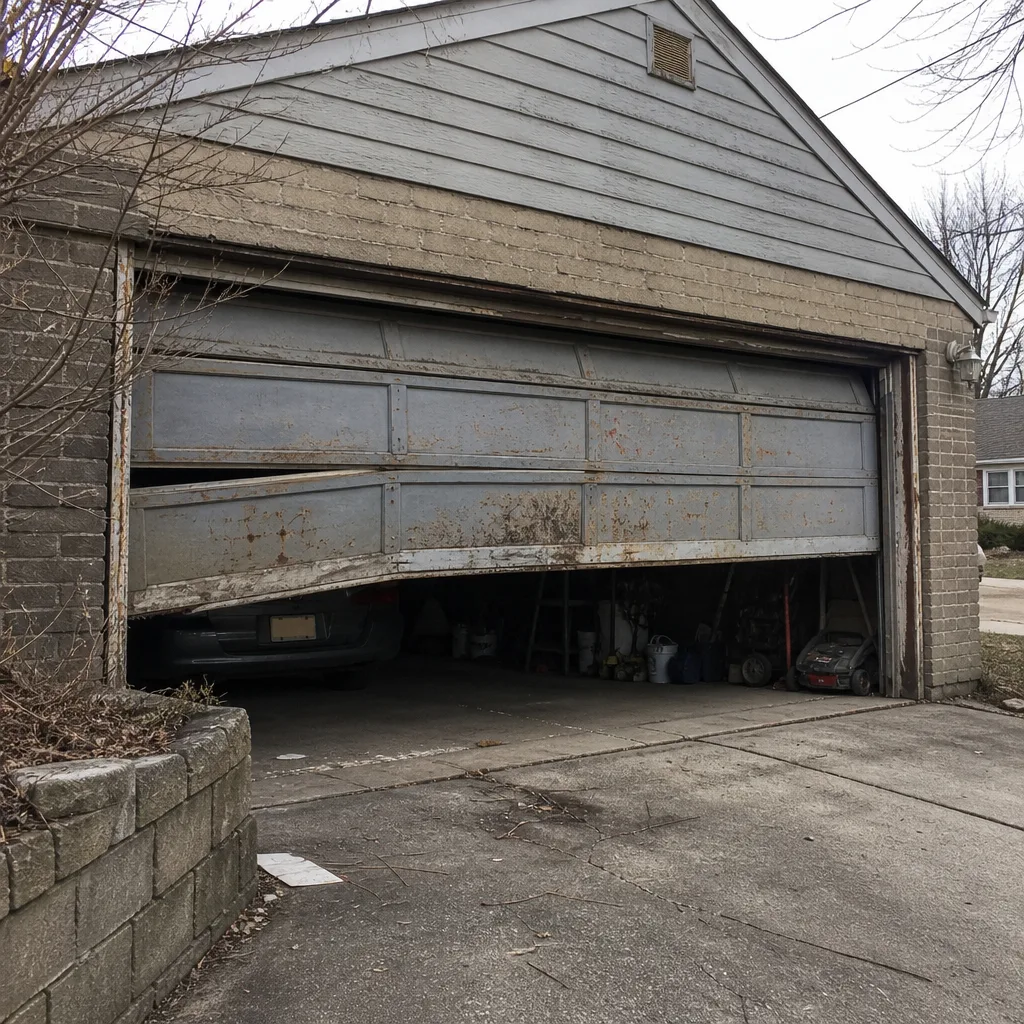 Before
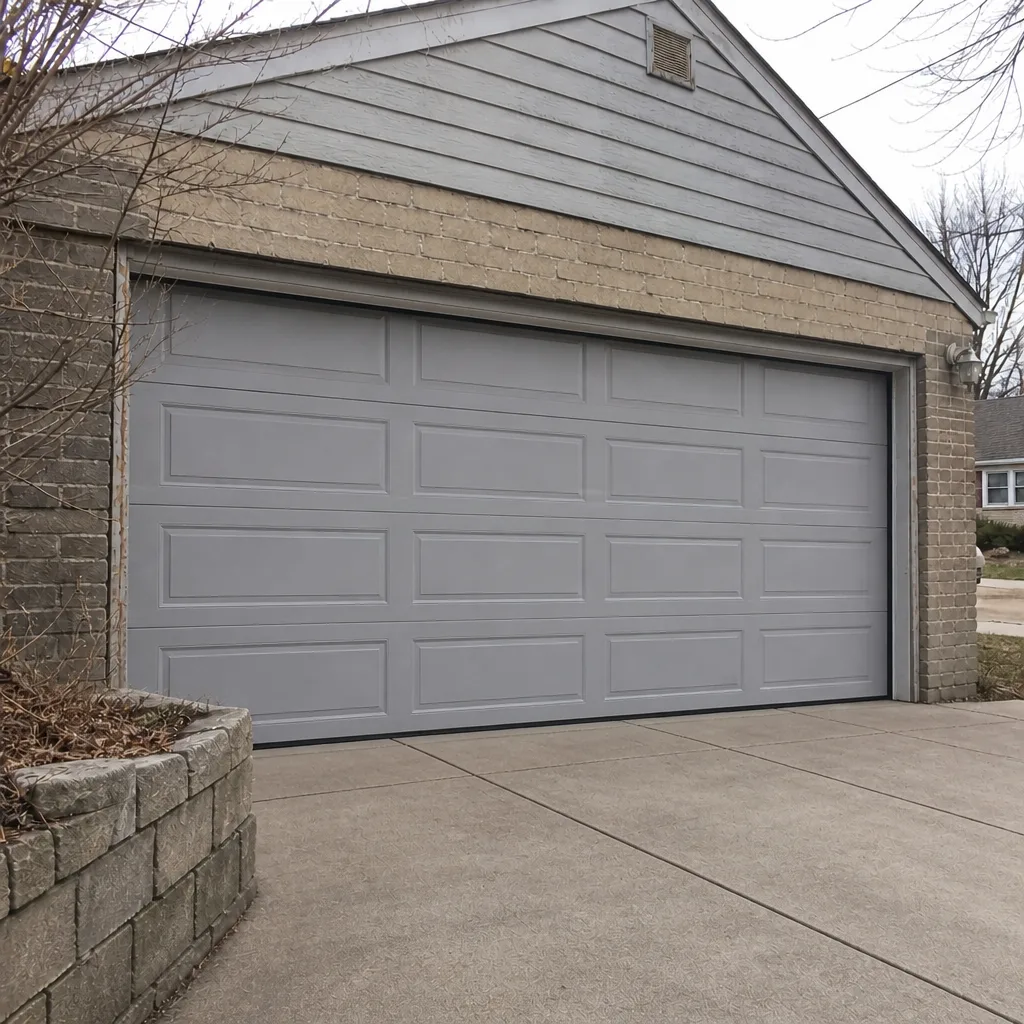 After
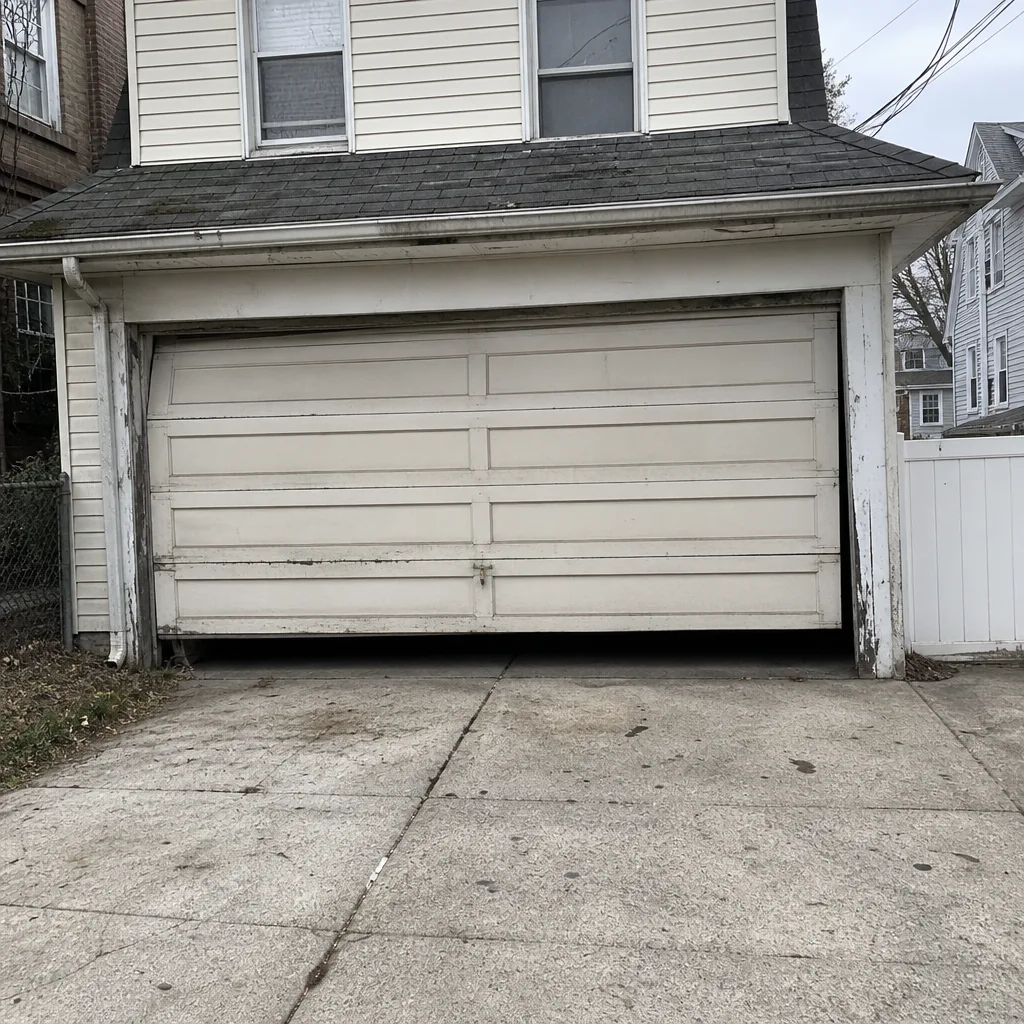 Before
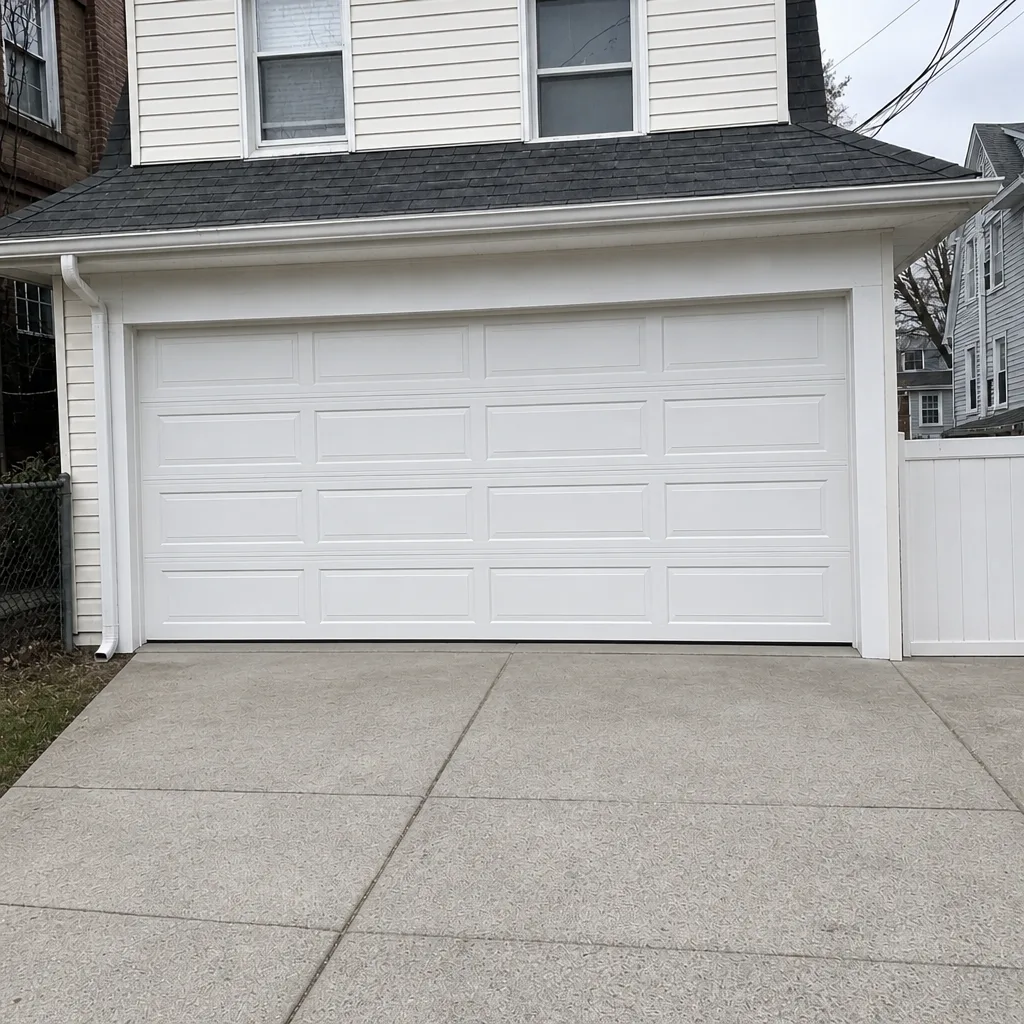 After
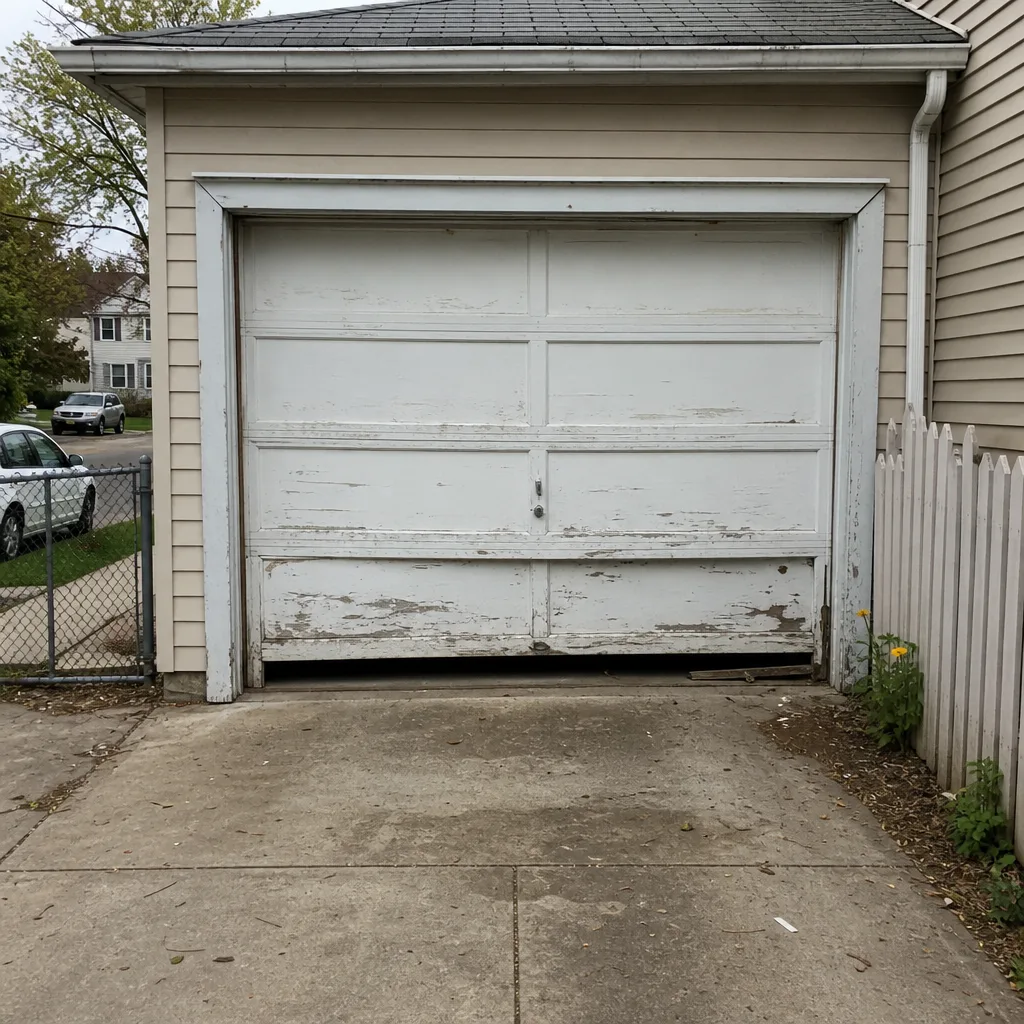 Before
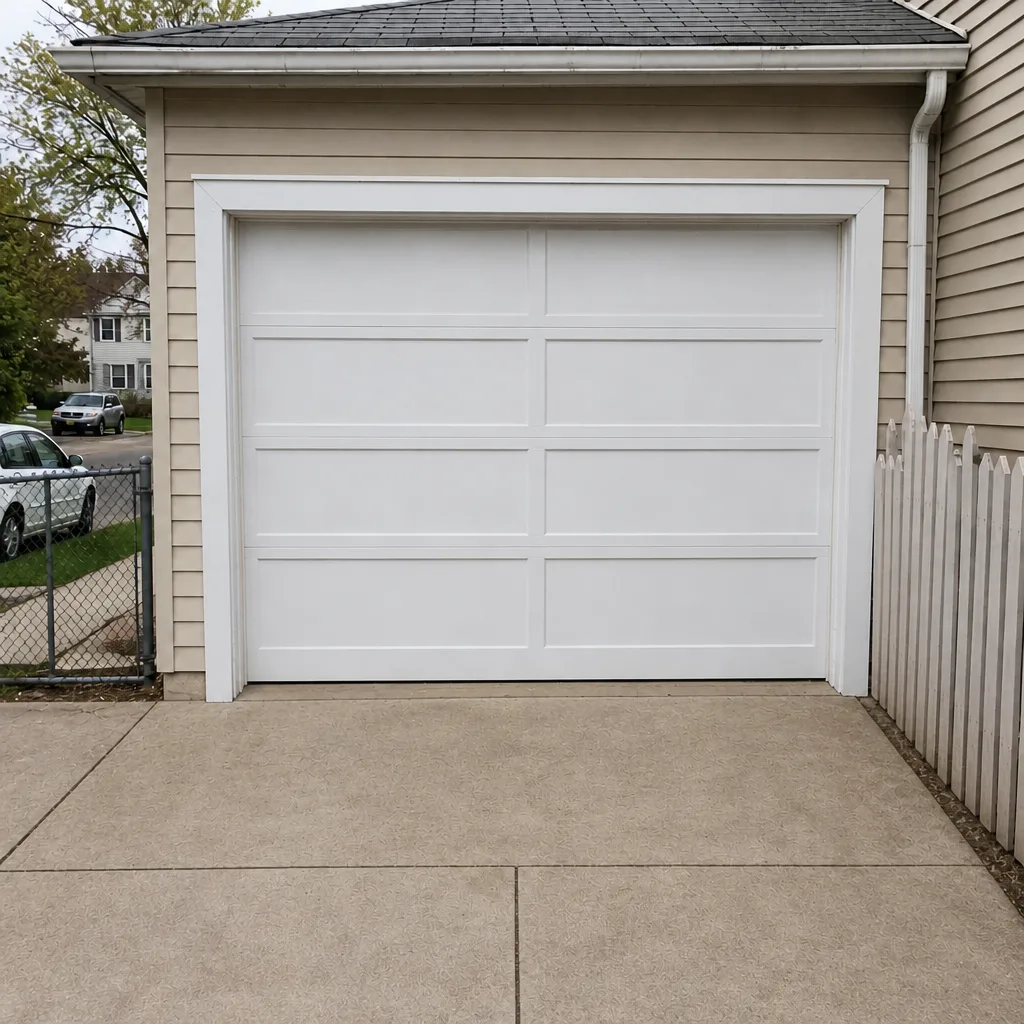 After
When to Call a Professional
Call a professional before you touch a torsion spring, a counterbalance cable, or a fire-rated assembly. Those are the parts of a garage door that cause serious injury when they fail, and they’re not a weekend project. Call us if your door is out of balance, if the opener is straining, if a panel is bent or the track is pulling away from the wall, or if you’re not sure whether the door on your building is fire-rated. Call us if you’re planning a replacement and want the door measured before the paperwork starts, or if you’ve inherited a door with no documentation and want to know what’s actually installed.
Garage Door Repair Hell’s Kitchen offers free estimates in Hell’s Kitchen. Call (877) 801-5288. We work on LiftMaster, Chamberlain, Genie, Clopay, Amarr, Wayne Dalton, Craftsman and Raynor, we treat spring repair as the safety-critical specialty it is, and we handle emergency garage door calls when a broken door can’t wait. One call covers the door and the opener, and we’ll tell you plainly whether you need to talk to the DOB before we order anything. Our technicians have up to 9 years of experience.
Frequently Asked Questions
It depends on the building. A like-for-like replacement on a non-landmarked one- or two-family home usually doesn’t need a DOB permit, while a new opening, a structural change, a fire-rated assembly, or a landmarked building generally does. Ask the DOB in writing with the exact scope before you order the door. Call (877) 801-5288 for a free estimate on the door-side work while you sort out the paperwork.
Parts of Hell’s Kitchen sit near and inside designated historic districts, including the Clinton Hill Historic District and surrounding landmark-designated blocks, and landmarked buildings require LPC review before a door visible from the street is replaced. The designation is block-specific, so check the LPC designation status for your address before ordering. Call (877) 801-5288 if you want us to look at the door while you confirm the designation.
Nothing immediately, but it surfaces during a sale, refinance or complaint, and the legalization path is a retroactive permit or legalization application with the DOB. If the building is landmarked, the LPC review is a separate step. Deal with it before a buyer’s attorney finds it. Call (877) 801-5288 for a free estimate on the door-side work and we’ll help you figure out what’s actually installed.
Yes. A repair is separate from an installation, and a broken spring or opener failure doesn’t need the permit that a replacement does. A single torsion spring typically runs $180 – $340 in the Hell’s Kitchen market, and a matched pair costs about twice that. The written estimate sets the final price, agreed before any work starts. Call (877) 801-5288 for an exact quote.
A licensed contractor or a licensed filing representative pulls it, not the homeowner. The licensed professional who files is the one accountable for the install matching the drawings, which is why the choice of contractor matters as much as the door itself in a landmarked or fire-rated job. Call (877) 801-5288 and we’ll tell you plainly what we think the filing requires.
No. They’re two separate approvals that run in parallel, and a building approval does not substitute for a city permit or vice versa. Hell’s Kitchen boards often require a written scope, proof of insurance, and a schedule that fits the building’s work windows. Call (877) 801-5288 for a free estimate on the door once the alteration agreement is moving.
The Bottom Line
Garage door work in Hell’s Kitchen splits into two tracks: the door itself, and the paperwork around it. Repairs almost never need a permit. Replacements sometimes do, and the cases that land in permit territory are the ones you’d least expect: landmarked buildings, fire-rated assemblies in attached or below-grade garages, and any change to the opening itself. Co-op and condo alteration agreements run on a third, separate track, and skipping any one of them is what turns a normal upgrade into a stop-work order. Get the DOB’s answer and the LPC’s answer before you order a door, keep the paper trail on every door in the building, and if you’re inheriting unpermitted work, deal with it before the sale. Free estimates in Hell’s Kitchen when you’re ready to talk doors: (877) 801-5288.
Written by the team at Garage Door Repair Hell’s Kitchen.