Last updated November 21, 2026
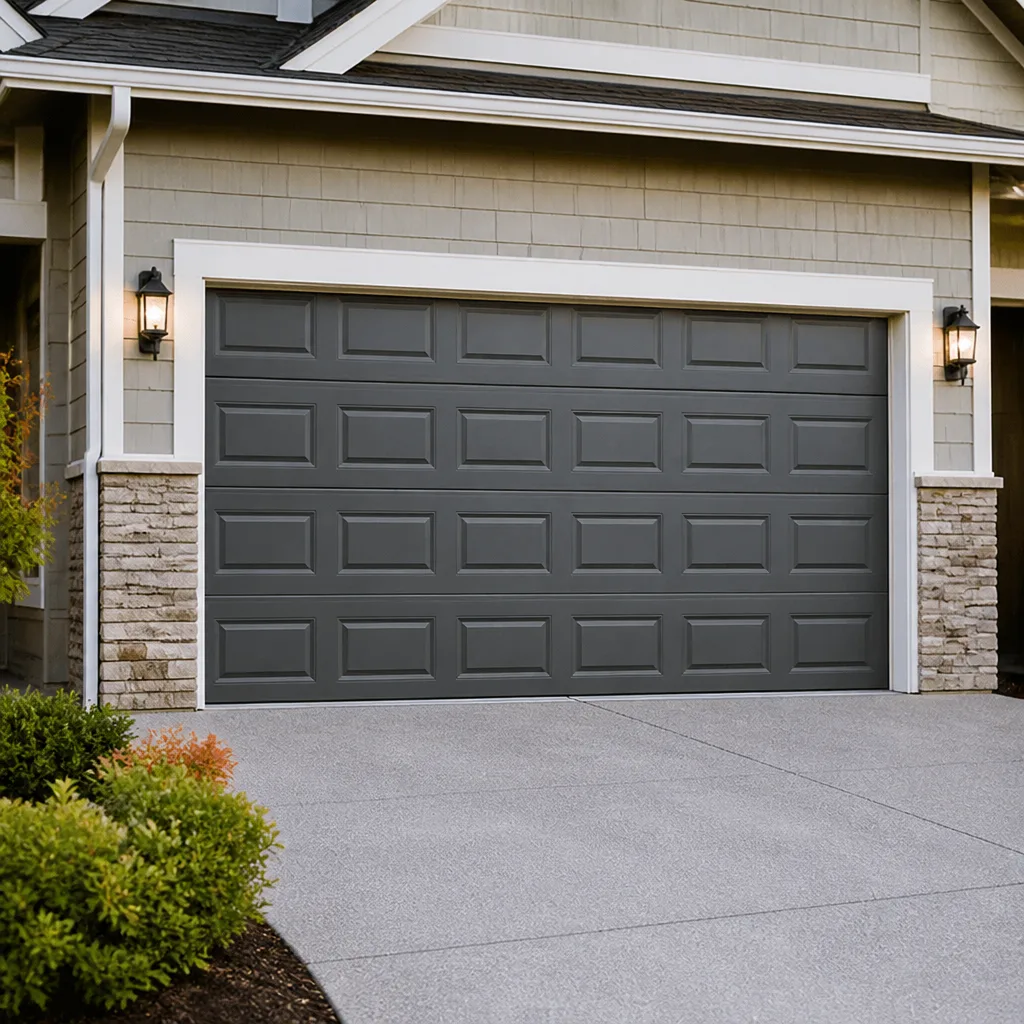 Raised-panel steel
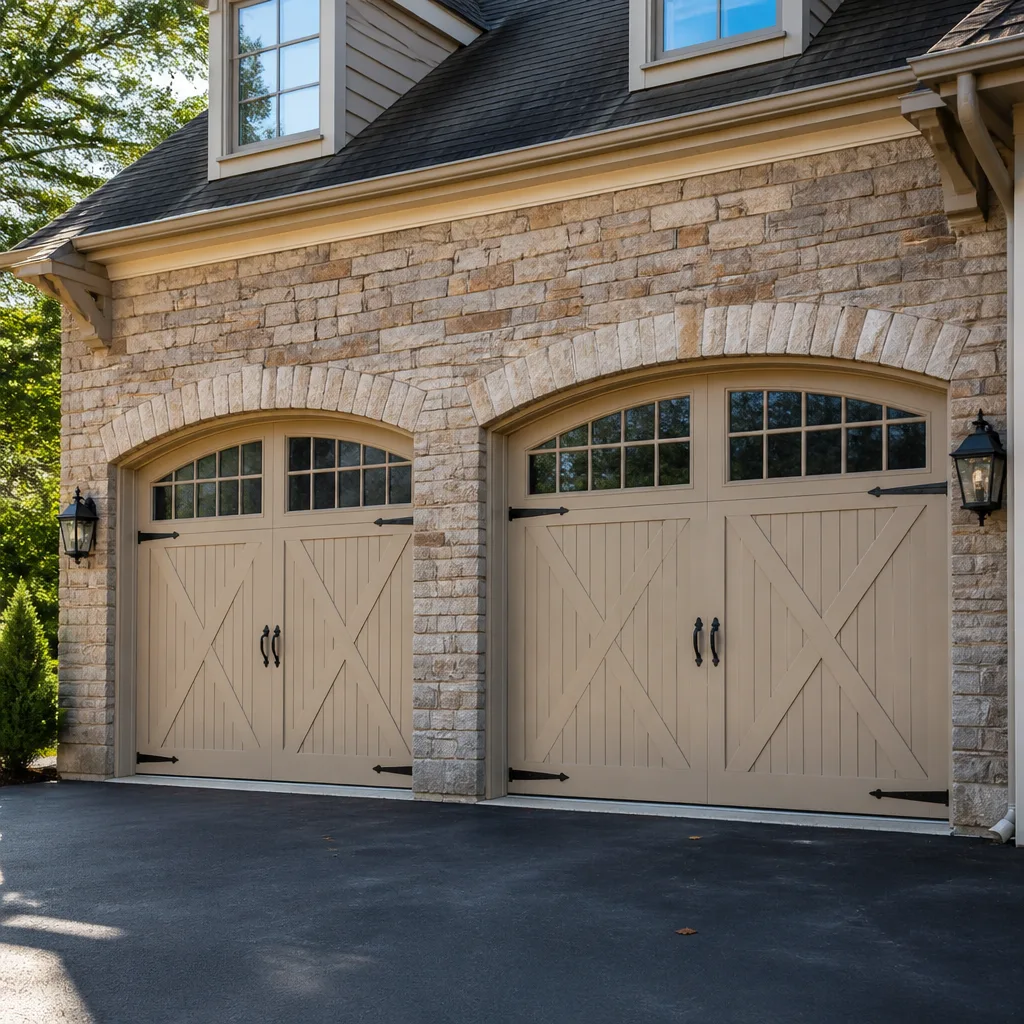 Carriage house
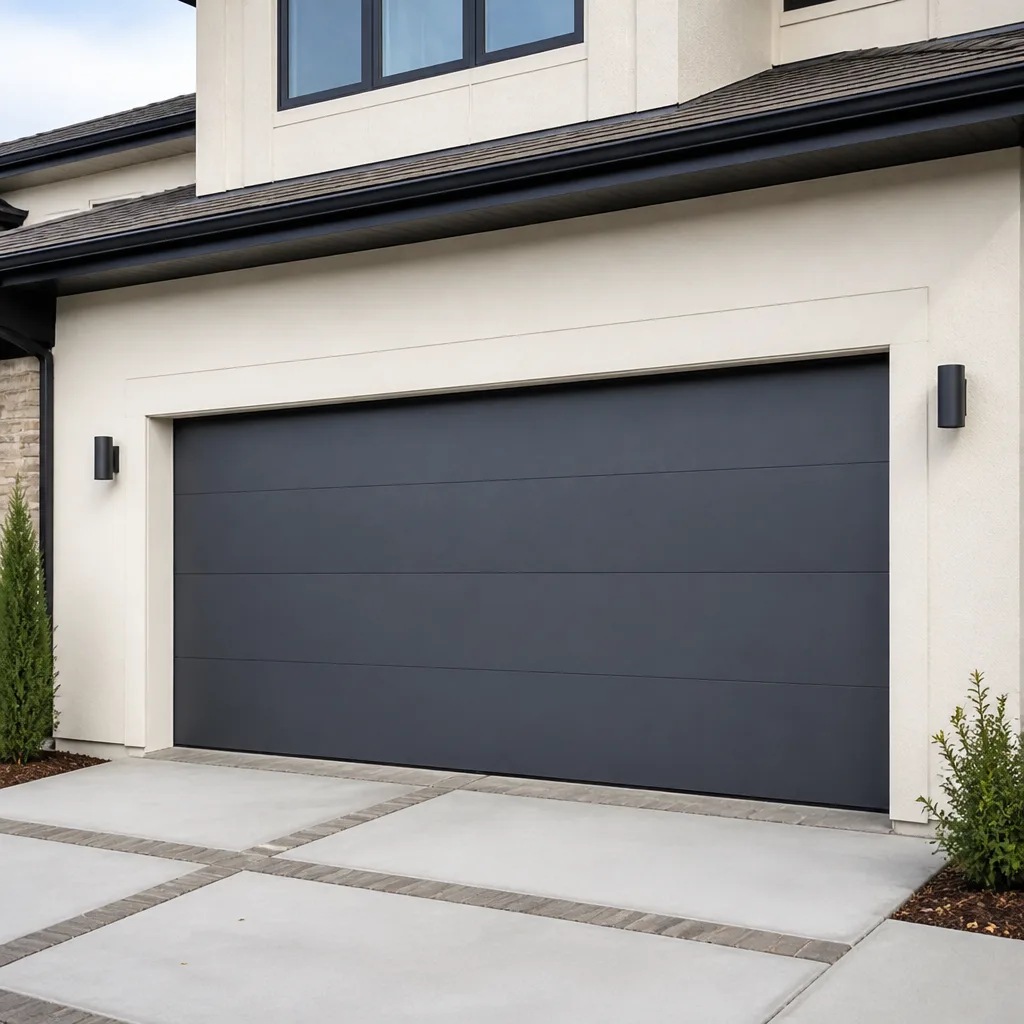 Modern flush
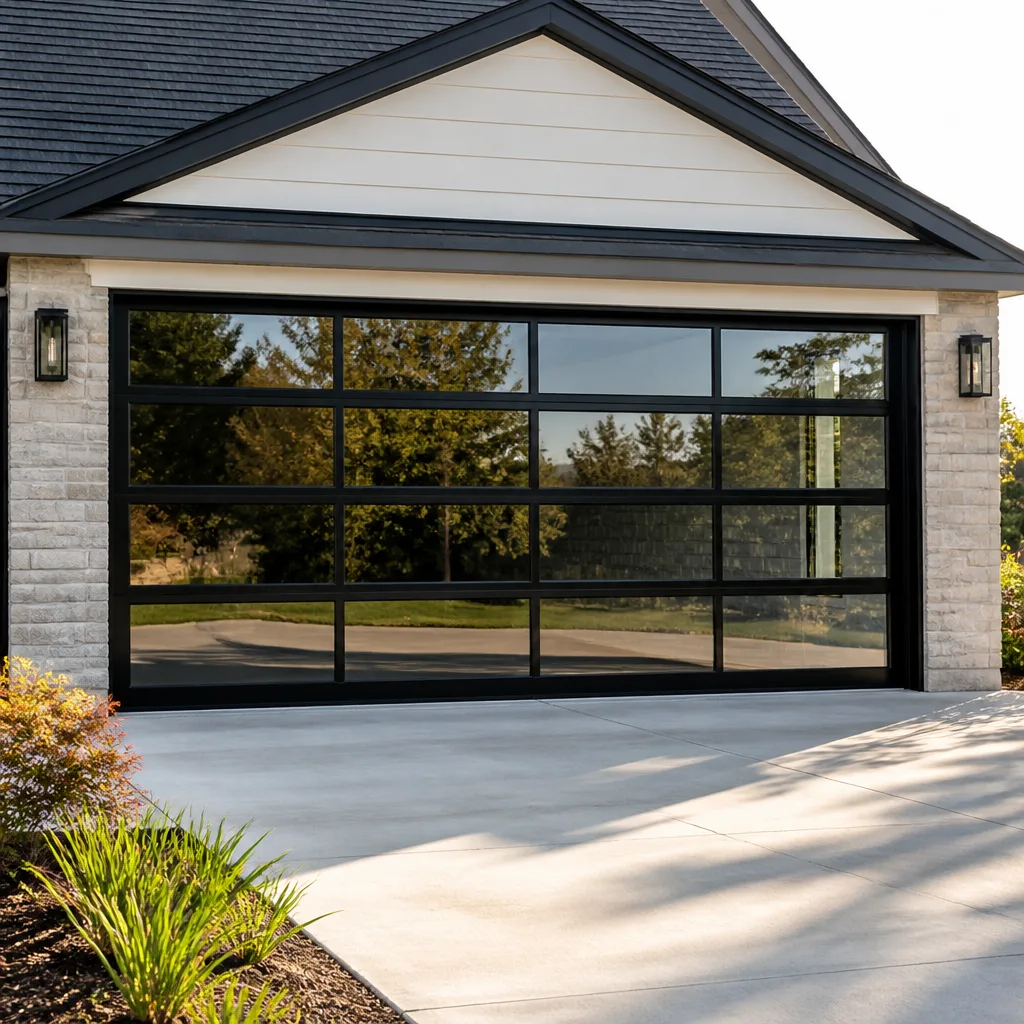 Full-view glass
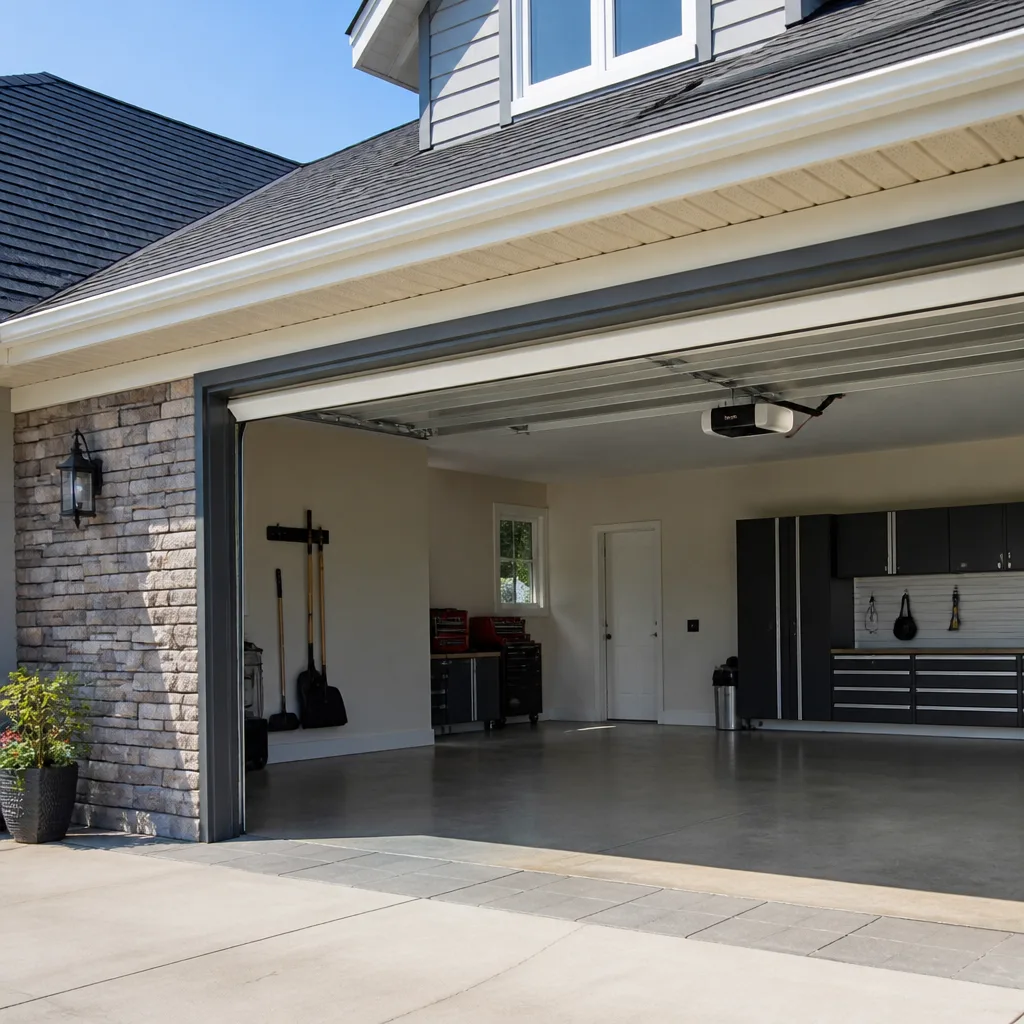 LiftMaster openers
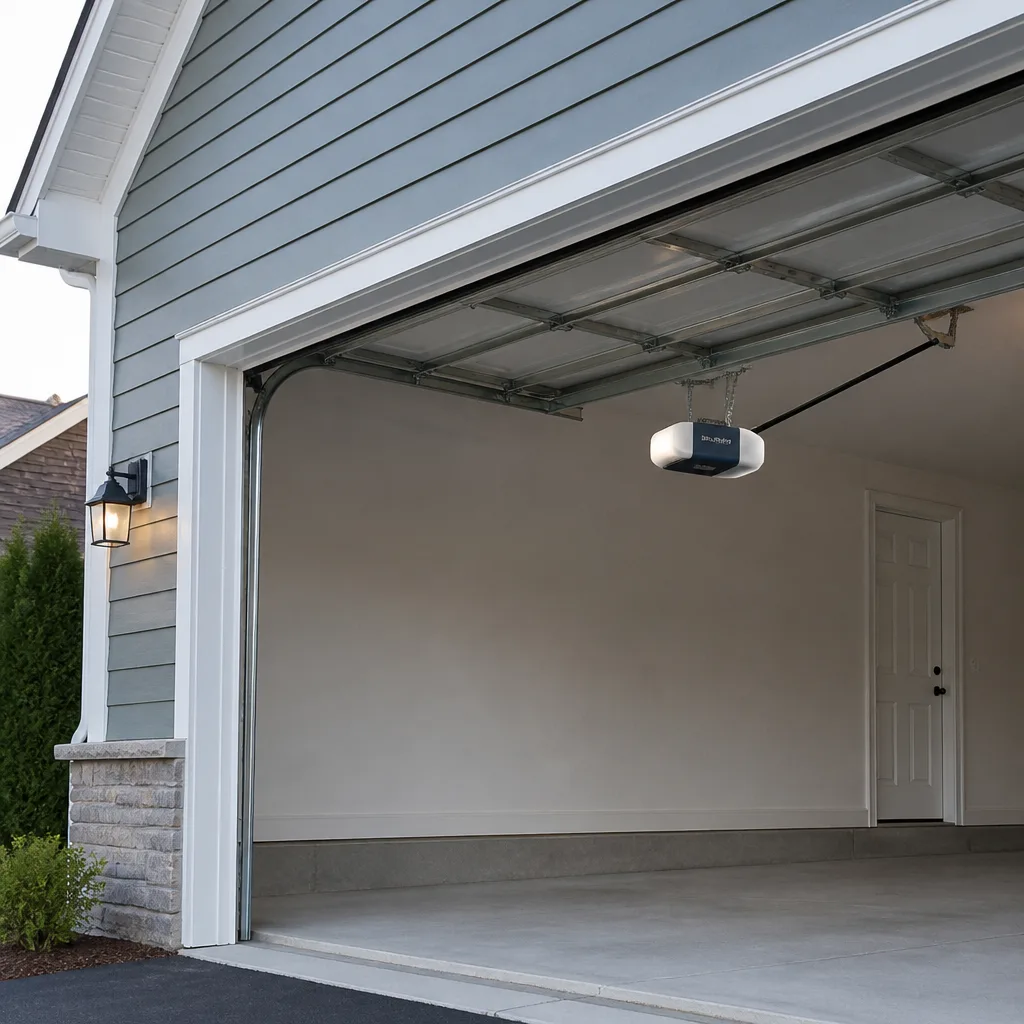 Chamberlain openers
Full 25-point door and opener safety check with every visit - springs, cables, rollers, tracks, and your LiftMaster or Chamberlain opener included
You get a price before we start. It does not change when the pro arrives.
Get your free estimateHow to Hire a Garage Door Contractor in Hell’s Kitchen: A Step-by-Step Guide
A contractor who does great work in a Westchester driveway can be completely out of their depth in a Hell’s Kitchen parking garage, and they won’t tell you that upfront. The skills look the same on paper. The reality isn’t. Here, a contractor has to move a truck and a set of springs through a freight elevator schedule, produce a certificate of insurance before the super will unlock a service bay, and understand that a low-headroom door that works fine in a suburban two-car garage will bind and fail in a Manhattan building with a sloped rail. Hiring the wrong company doesn’t just mean sloppy work. It means someone who disappears when access gets complicated. This guide walks you through licensing checks, the questions that separate a specialist from a generalist, how to read a quote, and how to coordinate building logistics before the first person walks in the door.
Styles & brands we work with
- Raised-panel steel
- Carriage house
- Modern flush
- Full-view glass
- LiftMaster openers
- Chamberlain openers
Quick Answer
Hire a garage door contractor in Hell’s Kitchen by verifying their insurance and licensing for work in New York City, confirming real experience with low-headroom and building-access installs, demanding a written itemized quote that specifies parts and warranty, and confirming freight elevator and certificate of insurance logistics with your building before the scheduled date. A true garage door specialist does one trade only, works on every major brand, and never leaves you calling a second company for a different component.
Table of Contents
- Why Hell’s Kitchen Is a Hard Place to Hire a Garage Door Contractor
- What Licensing and Insurance to Verify Before Anyone Touches Your Door
- Questions That Reveal Real Low-Headroom and Urban Install Experience
- How to Evaluate Quotes: Line Items, Omissions, and Red Flags
- Specialist vs. General Handyman: Parts Access and Warranty Backing
- Coordinating Contractor Access in Hell’s Kitchen Buildings
- A Step-by-Step Hiring Process, Start to Finish
- Common Mistakes to Avoid
- When to Call a Professional
- Frequently Asked Questions
- The Bottom Line
Why Hell’s Kitchen Is a Hard Place to Hire a Garage Door Contractor
Most garage door advice online assumes a driveway. Hell’s Kitchen is a dense grid of mid-rise walk-ups, co-ops, condos, and a handful of older commercial buildings, and the garage doors here live in very different conditions than a suburban house. There are parking garages with tight radius turns, doors that operate under low-clearance ceilings, and building entrances and loading bays driven by security and access instead of convenience. A contractor who has only serviced a wide, flat driveway will not anticipate the problems a Hell’s Kitchen door creates.
NYC building stock brings its own quirks. Doors get heavy use because dozens of cars pass through a single opening every day. Spring sets run wider and older in commercial garages. Some rail systems were installed decades ago and have been repaired in patches. When we look at a door in a Hell’s Kitchen building, we’re not just evaluating the door itself. We’re evaluating the hardware around it, the headroom, and the traffic load.
Then there’s the environment. New York City weather swings hard between humid summers and cold, wet winters. That cycle works on steel panels, hinges, bearings, and springs. A door in Hell’s Kitchen sweats through the seasons and corrodes faster than a door in a drier climate. A contractor who understands that will recommend appropriate lubrication schedules and check panel corrosion at the hinges, not just the obvious surface.
The last factor is logistics. This is a neighborhood where a truck can’t always pull up to the door, where the service entrance is a freight elevator, and where a super has to sign off on entry. Understanding how to actually get parts, tools, and people to the door before the appointment is a big part of what separates a contractor who’s done this in Hell’s Kitchen from one who’s only done it in a suburb.
What Licensing and Insurance to Verify Before Anyone Touches Your Door
Before anyone touches your door, confirm the contractor’s license and insurance for the work being performed. In New York City, contractors who do home improvement work are generally required to hold a valid Home Improvement Contractor license through the NYC Department of Consumer and Worker Protection, and contractors who do electrical work need a separate electrical license. Garage door installation and repair spans both trades depending on the scope, so ask which licenses apply. Never assume. Ask for the license number and verify it directly with the issuing agency.
Insurance is the other half. There are three coverages to confirm:
- General liability insurance – protects your property if something goes wrong during the job.
- Workers’ compensation – covers the crew if someone gets hurt on your property.
- Auto liability – relevant if a vehicle is involved in the delivery or pickup of parts.
Ask the contractor for a certificate of insurance (COI) that names you or your building as an additional insured. In a Hell’s Kitchen co-op or condo, the building’s management company will usually require a COI before a contractor is allowed inside. Get this in writing, with the correct entity name, before the scheduled date. A COI naming the wrong party will delay the job by days.
For anyone who is a property manager or board member in Hell’s Kitchen, this step is even more important. A single contractor who shows up with the wrong paperwork can push out a whole week of scheduled work in a building with limited service hours. Prepare the forms early and keep them on file so you can hand them to any contractor you’re evaluating.
One more thing to ask: whether the contractor carries any specialty certifications for spring replacement and door balancing. Spring work is safety-critical, and a contractor who can confidently describe the training their technicians have completed is safer than one who can’t. Our technicians have up to 9 years of experience, and the local pros we connect you with are licensed and insured as their state requires.
Questions That Reveal Real Low-Headroom and Urban Install Experience
Ask questions, and listen for the answers. Anyone can say they understand Hell’s Kitchen garage doors. But a contractor with real urban experience will answer these specific prompts without flinching, and the answers will be concrete instead of vague.
- “How do you handle a door with low headroom?” – A specialist should immediately talk about low-headroom tracks, high-lift or vertical-lift conversions, and whether the ceiling allows a torsion spring setup or requires a rear-mount or low-clearance torsion option. A generalist usually says “we’ll make it work.”
- “What’s your experience with freight elevators and service access in Manhattan buildings?” – Experience here means they know to ask for the freight elevator schedule, the loading dock door dimensions, and whether the building requires a badge or sign-in.
- “How do you handle a door that opens onto a tight drive lane?” – In Hell’s Kitchen, tractors, delivery vans, and passenger cars all pass through the same bay. A specialist will ask about clearance, door balance, and whether the operator needs to be programmed for a slower or more controlled travel.
- “What brands of door and opener do you service?” – A dedicated specialist should not blink at Craftsman, Raynor, LiftMaster, or Chamberlain. Our technicians are trained on all major residential brands, including LiftMaster, Chamberlain, Genie, Clopay, Amarr, Wayne Dalton, Craftsman, and Raynor. “We don’t service that brand” should never be part of the conversation.
- “How do you handle a torsion spring failure in a tight parking bay?” – Spring replacement is not the same as spring replacement in a wide-open garage. A specialist will talk about winding bars, safety containment, and the need to have the door fully down before spring work begins.
- “Have you ever had a job on a door that wasn’t a standard residential size?” – In Hell’s Kitchen, the answer should be yes. Doors come in irregular widths and shapes, and a contractor who has only done standard 16-foot doors will be guessing.
- “What’s your process for verifying door balance after a spring replacement?” – A good answer covers the manual release, the half-open balance test, and a check that the operator reverses correctly.
If a contractor who sounds sharp on the phone starts backing away from any of these questions, that’s a signal. A real specialist will engage with the technical details because they’ve solved this exact problem before. That’s the difference between someone who has done a Hell’s Kitchen job and someone who has invented a story about it.
If you’re still narrowing down your shortlist, our Garage Door Repair Hell’s Kitchen overview is a good place to see the full scope of what a dedicated specialist covers.
How to Evaluate Quotes: Line Items, Omissions, and Red Flags
A written quote is a diagnostic tool. A good one tells you exactly what’s being done, what parts are being used, and what you’re paying for. A bad one tells you a lump sum and stops there. The line items that should always appear on a garage door quote:
- Parts – individual items like springs (specified as one or a pair), cables, rollers, hinges, and any opener components.
- Labor – the time and scope of the work, including any adjustment or balancing.
- Disposal – removal and haul-away of the old door or parts.
- Permits – if applicable for the work, and who is responsible for pulling them.
- Warranty – what’s covered, for how long, and what voids it.
- Price guarantee – the total, with a note that this is the price unless you approve a change.
Red flags to look for:
- No part numbers. A quote that just says “springs” doesn’t tell you whether you’re getting the right size spring for your door.
- A phone quote turned into a verbal promise. Verbal quotes are worth nothing in a dispute. Get it in writing.
- No mention of warranty. Any contractor who doesn’t volunteer warranty terms is likely not planning to honor one.
- An unusually low price. Below-market pricing usually means a used or low-grade part, or an estimate that will expand once the technician is on site.
- No mention of a service technician vs. a subcontractor. In a Hell’s Kitchen building with access rules, a random subcontractor can create access headaches.
- No mention of disposal. Removing an old door or a broken spring is work, and it should be in the quote.
One more detail that matters for this trade: a spring price is usually for one spring. A matched pair is usually replaced together, so a pair costs about twice a single-spring price. Any quote that gives one number for “the springs” without clarifying one or two is a quote worth questioning. And on the other side of the trade, if you’re considering a new door, the quote should reflect a measured, scheduled job rather than a same-day promise. Installation rarely works on a same-day schedule in a building where freight elevator time is booked in advance.
Read our garage door repair page for a fuller picture of what repair quotes in Hell’s Kitchen usually cover.
Specialist vs. General Handyman: Parts Access and Warranty Backing
The practical difference between a garage door specialist and a general handyman comes down to two things: parts access and warranty backing. A handyman has to source parts through whatever supplier they can find. A specialist has direct access to the parts network and stocks or can source the exact spring, opener, or panel your door needs. In Hell’s Kitchen, where a wrong-size spring means another multi-day wait, that difference is real.
Warranty backing matters just as much. A garage door specialist backs their work with a written warranty and has a process for honoring it. A handyman typically offers a verbal promise, and if a spring fails a month later, you’re starting from scratch. Ask any contractor what happens if the same problem returns within the warranty period and how the claim is handled.
There’s also the issue of scope. A handyman does many things, none of them with specialization. That means every garage door job is a learning curve. A specialist does one trade, which means every technician on every job is working from the same playbook. We don’t take side work that isn’t garage doors, and our approach is built around that single-trade focus.
Full-cycle capability matters for the same reason. If your door needs new springs and a new opener, one call covers it. You’re not coordinating a spring specialist and an opener specialist, and you’re not stuck with an unfinished door if one of them cancels. Our service range covers repair, new installation, opener work, spring replacement, and emergency response under one company, and the local pro handles the full job.
The last thing a generalist usually can’t do is brand fluency. When a LiftMaster or Chamberlain opener needs a repair, a technician who works across all the major brands can fix it without treating the job as a novelty. Our technicians are trained on all the brands, and no customer should hear “we don’t service that brand.” That’s not just convenience. It’s a real time saver when your building has a specific opener model and you can’t switch it out.
Coordinating Contractor Access in Hell’s Kitchen Buildings
In a Hell’s Kitchen building, the contractor’s job starts long before they touch the door. Access is the first hurdle, and if it isn’t handled correctly, the job gets pushed out by days. Here’s the sequence that works:
- Contact the building’s management or super before scheduling. Find out the freight elevator hours, whether a loading dock is available, and whether the contractor needs to sign in at the front desk. Ask about any restrictions on contractor vehicles.
- Submit the certificate of insurance. Provide the COI to the building’s management with the correct additional insured entity name. Get acknowledgment in writing.
- Confirm the service entrance and freight elevator dimensions. If a new door is being delivered, measure the opening and confirm it can pass through. This prevents a delivery that arrives and can’t get inside.
- Get the super’s sign-off. Confirm the appointment date and time, and provide the technician’s name if the building requires it. Some buildings prefer a same-day confirmation call.
- Coordinate the truck and parking. Ask whether a contractor vehicle can stop at the loading zone, and for how long. In Hell’s Kitchen, a poorly planned vehicle stop can attract a ticket or a tow.
- Plan for the weather. Rainy days slow down exterior door work, and the contractor will need a covered staging area for parts. Plan a backup date with the building.
- Keep a written record. Save the completed COI, the sign-off confirmation, and the elevator schedule in one place. In a building with a management company, this kind of record is important if anything goes wrong later.
In our experience, the buildings where jobs go smoothly are the ones where this upfront work is done before the first call to a contractor. When a property manager already has the forms and the elevator schedule ready, the appointment moves quickly. When they don’t, a three-hour appointment can turn into a two-week saga. For any Hell’s Kitchen property manager reading this, building a small pre-approved access checklist for your building is worth the effort.
If you’re coordinating a full replacement, our garage door installation page covers the sequence from measurement to final install, including the access steps that come up most often.
A Step-by-Step Hiring Process, Start to Finish
If you want to keep it simple, here’s the whole hiring process in one sequence:
- Define the job. Repair, replacement, opener work, spring replacement, or emergency. This determines the questions you’ll ask and the type of contractor you need.
- Build a shortlist of three. Search for garage door specialists who work in Hell’s Kitchen, verify they service your door and opener brand, and check online reviews for red flags around scheduling or access.
- Call and describe the job. Give the door’s size, type, opener brand, and any recent symptoms. Listen for technical questions and specific terminology.
- Ask the access and experience questions above. A contractor who answers them clearly and specifically is a stronger candidate than one who waffles.
- Request a written, itemized quote. Confirm that the quote covers parts, labor, disposal, warranty, and any permit responsibility. Confirm what the price is if nothing changes.
- Verify license and insurance. Ask for the license number and COI, and verify with the issuing agency and the insurer.
- Coordinate building access. Do this before scheduling. Once the access details are confirmed, book the date.
- Confirm the appointment and the technician. Get the name of the technician assigned and a confirmed arrival window.
- Stay available during the visit. If the technician finds a problem that wasn’t visible in the original diagnosis, you want to approve any change before work continues.
- Review the final work and keep the paperwork. Confirm the warranty terms, keep the quote in a safe place, and note the date so you know when a follow-up is due.
If you want to skip straight to the diagnosis part, our garage door opener repair page covers the most common opener problems in Hell’s Kitchen and the questions worth asking when you call.
Common Mistakes to Avoid
- Hiring on price alone. A below-market quote usually reflects low-grade parts or an estimate that grows once work starts. Ask what’s excluded, not just what’s included.
- Skipping the COI. In a Hell’s Kitchen building, missing a COI can delay a job by days. Get the paperwork to the building before scheduling.
- Not confirming brand experience. A contractor who says “we work on most brands” isn’t answering the question. Ask directly about your opener model.
- Not reading the warranty. A warranty you didn’t read is a warranty you don’t have. Understand what’s covered and what voids it.
- Accepting a verbal quote. Verbal quotes disappear when there’s a dispute. Insist on a written, itemized quote with a stated final price.
- Assuming a same-day installation will happen. New door installations are measured, ordered, and scheduled. Anyone promising same-day install is skipping steps.
- Overlooking the door’s physical environment. A contractor who doesn’t ask about low-ceiling clearances, drive lane width, or traffic load is not accounting for the way your Hell’s Kitchen door actually operates.
When to Call a Professional
Some garage door problems are genuinely not DIY. A snapped torsion spring, a door that comes off its track, or a door that reverses or doesn’t reverse when it should all involve real injury risk. In Hell’s Kitchen, the added risk of working around pedestrians, vehicles, and tight spaces makes the case for professional service even stronger. Torn or frayed cables, bent hinges, and a door that won’t stay down are also safety issues, not cosmetic ones. Spring repair in particular should always be handled by a trained specialist because the stored energy in a wound spring can cause severe injury if it’s released incorrectly. If the door is stuck, the opener is making grinding or buzzing noises, or the door has stopped traveling smoothly, it’s a call worth making. Garage Door Repair Hell’s Kitchen offers free estimates in Hell’s Kitchen, and the technicians we connect you with handle spring replacement, opener repair, and emergency service when a broken door can’t wait. Call (877) 801-5288 and one call covers it.
Frequently Asked Questions
The most reliable route is to verify license and insurance first, then ask about brand experience and low-headroom installs, then request a written itemized quote. A contractor who answers those questions clearly and provides documentation without hesitation is a stronger choice than one who only has a low price. Call (877) 801-5288 for an exact quote on your job, and estimates are free.
A garage door contractor in Hell’s Kitchen should carry general liability insurance, workers’ compensation, and auto liability, and should be able to provide a certificate of insurance naming your building as an additional insured. Ask for the COI in writing before scheduling the job.
A handyman may quote less, but the savings often disappear once you factor in part quality, warranty coverage, and the risk of a repeat visit. A garage door specialist brings parts access, brand fluency, and warranty backing that a generalist usually can’t match. When you compare quotes, compare the value of warranty coverage and part grade, not just the headline number.
Same-day service is often available for repair calls on a snapped spring or a stuck door. Emergency garage door repair is a core service for time-sensitive failures, and dispatch usually runs quickly. Installation and replacement jobs are usually measured and scheduled, so those aren’t same-day work. Call (877) 801-5288 to confirm availability.
Every quote should include parts (with specific part names), labor, disposal of old parts or the old door, warranty terms, and any permit responsibility. The final price should be clearly stated and the quote should note that the price is the agreed price unless you approve a change. If a quote is missing those items, ask why before signing.
You don’t need to be present the entire time, but you should be reachable in case the technician finds something unexpected. For a Hell’s Kitchen building, you may also need to coordinate with the super or management company for access. It’s usually easiest to plan to be available for the first ten minutes and again for the final walkthrough.
The Bottom Line
Hiring a garage door contractor in Hell’s Kitchen comes down to four checks: verify license and insurance, ask the low-headroom and building-access questions, get a written itemized quote, and confirm your building’s access logistics before the appointment. A dedicated garage door specialist with brand fluency across LiftMaster, Chamberlain, Craftsman, and Raynor, and with real Hell’s Kitchen experience, is worth the search. You’ll also want a contractor who handles the full job – springs, openers, panels, and emergency calls – so you’re not coordinating two companies. For a free estimate on repair, replacement, or an emergency situation, call Garage Door Repair Hell’s Kitchen at (877) 801-5288 today, and get the price in writing before anyone starts work.
Written by the team at Garage Door Repair Hell’s Kitchen.
See the difference
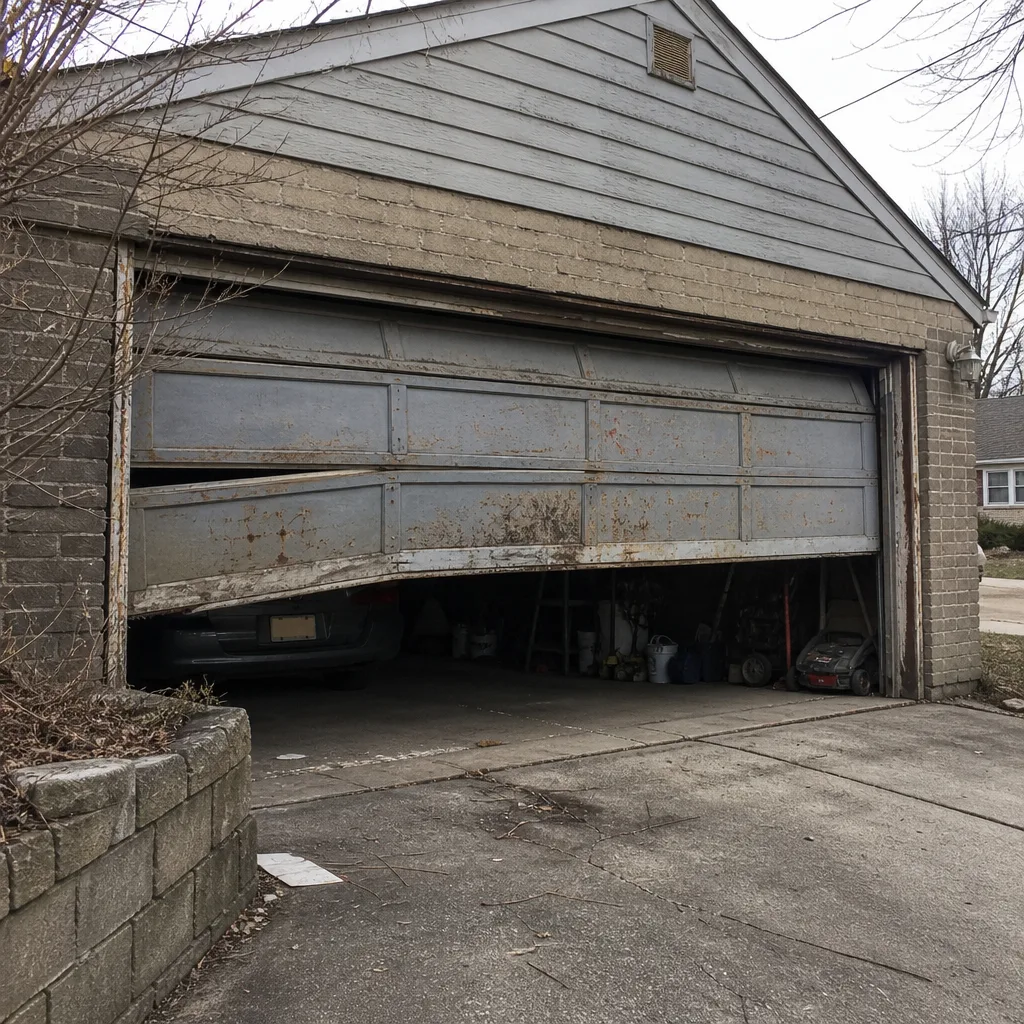 Before
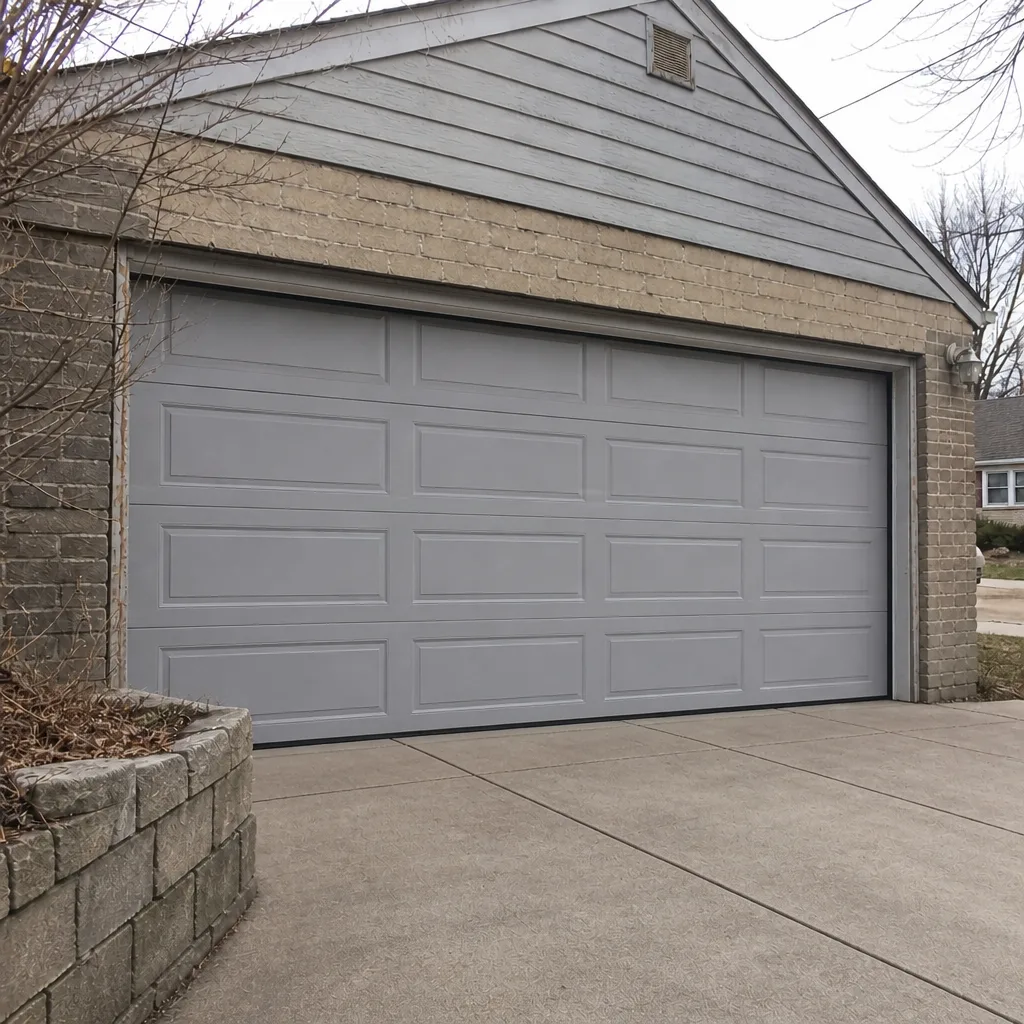 After
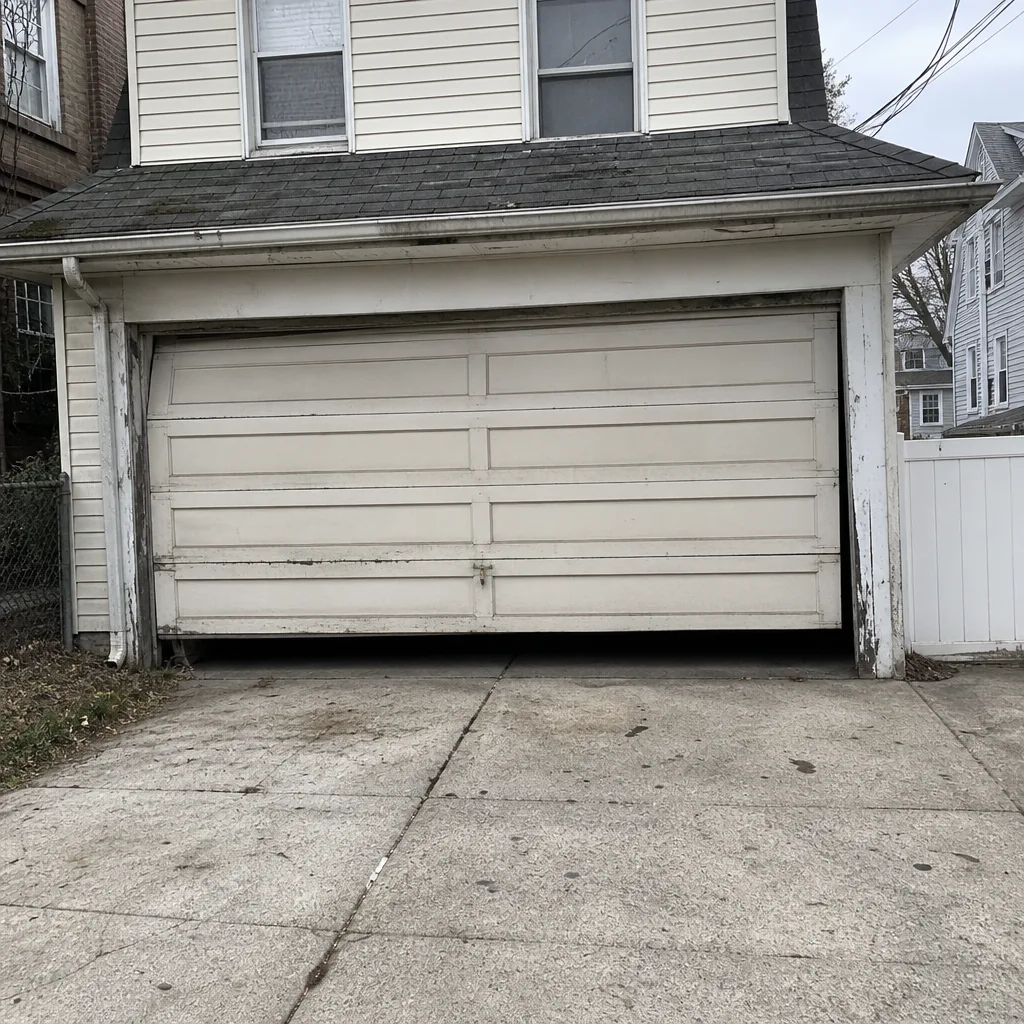 Before
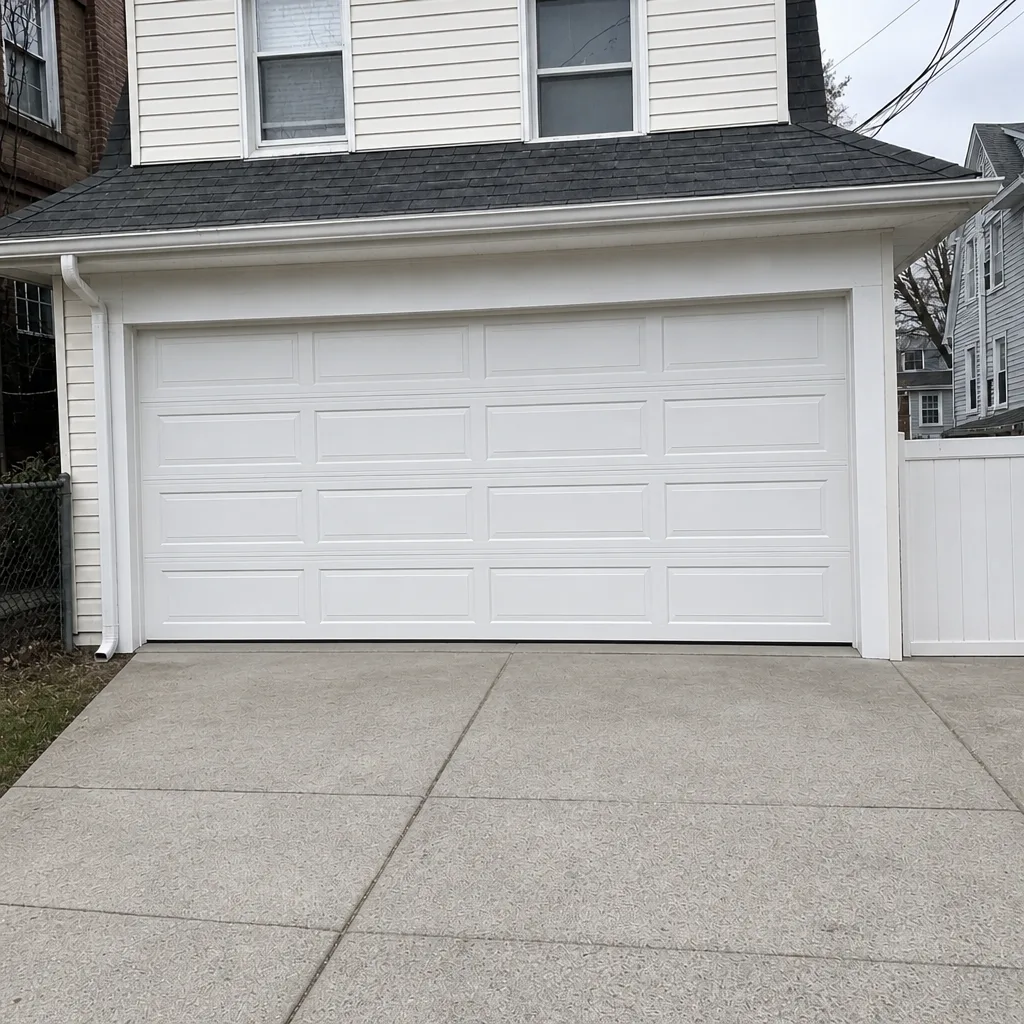 After
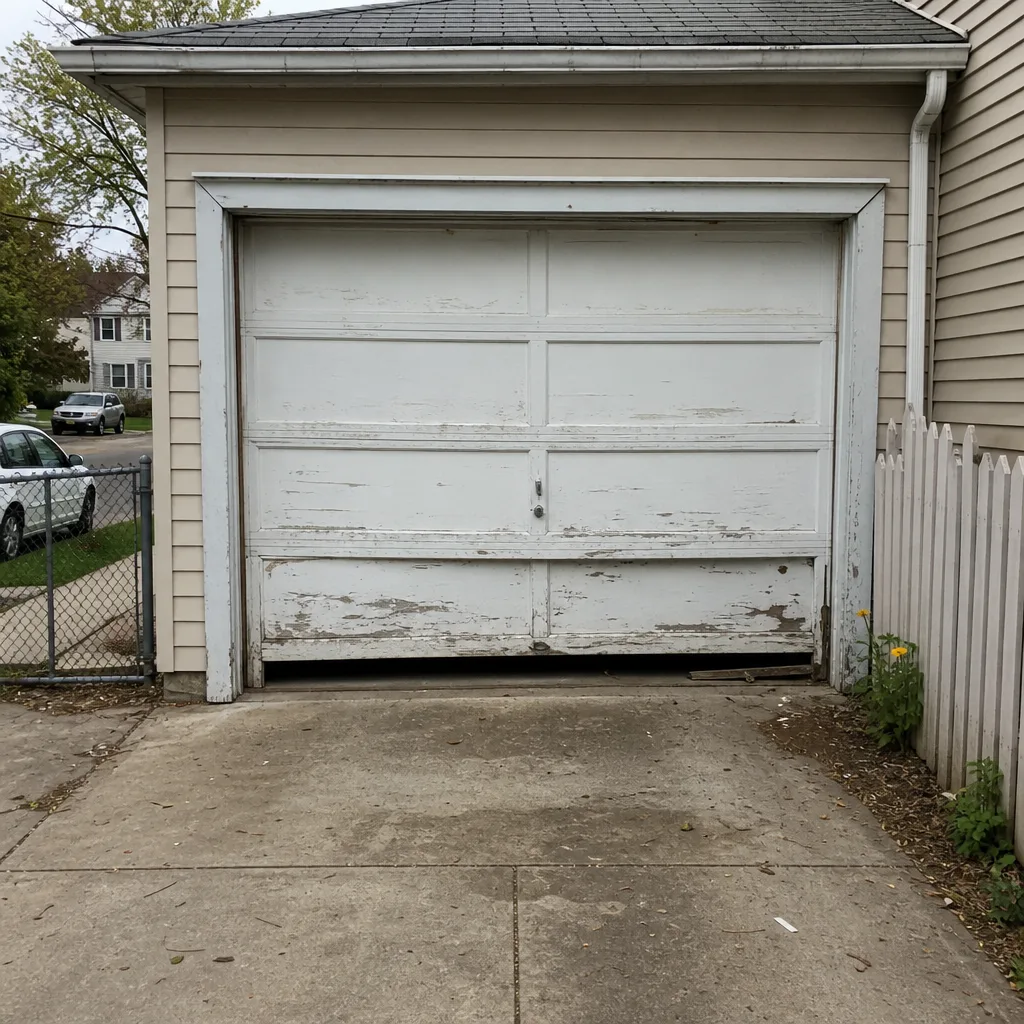 Before
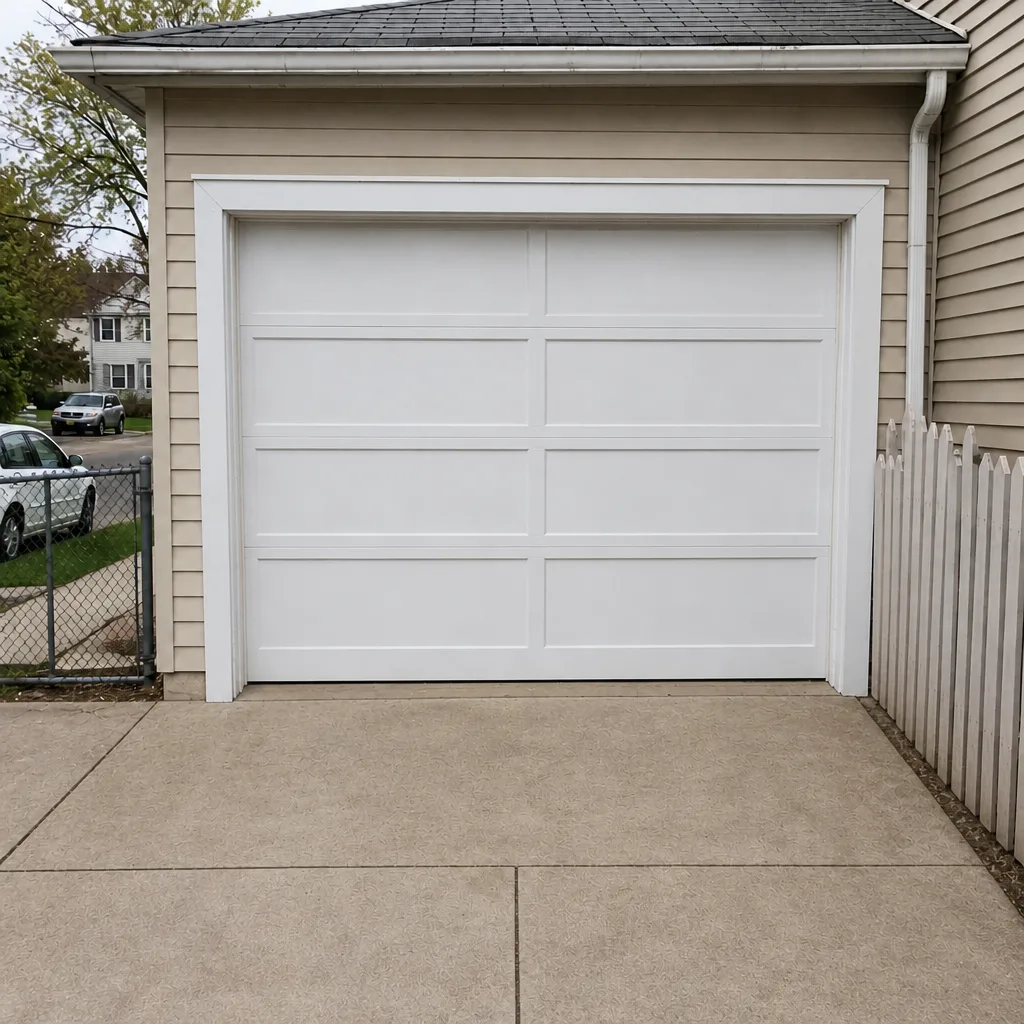 After