Last updated November 21, 2026
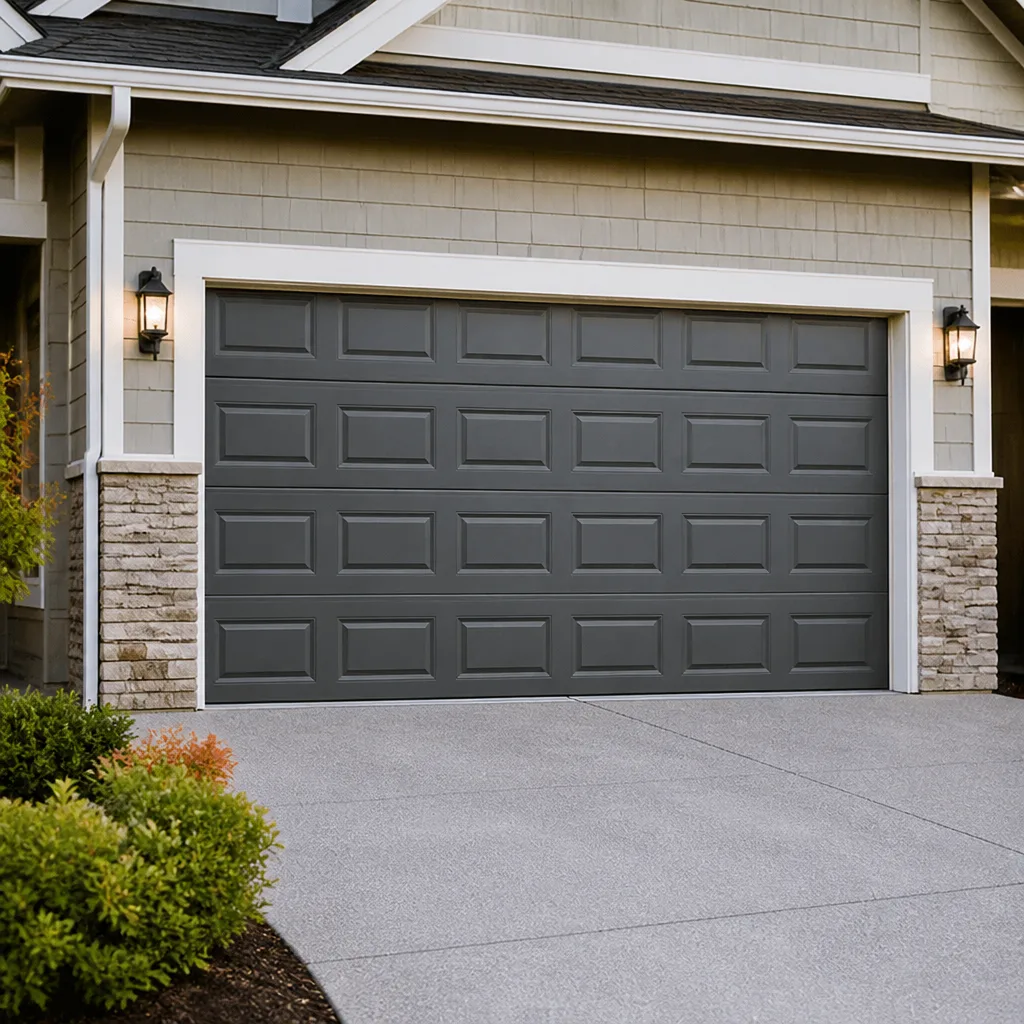 Raised-panel steel
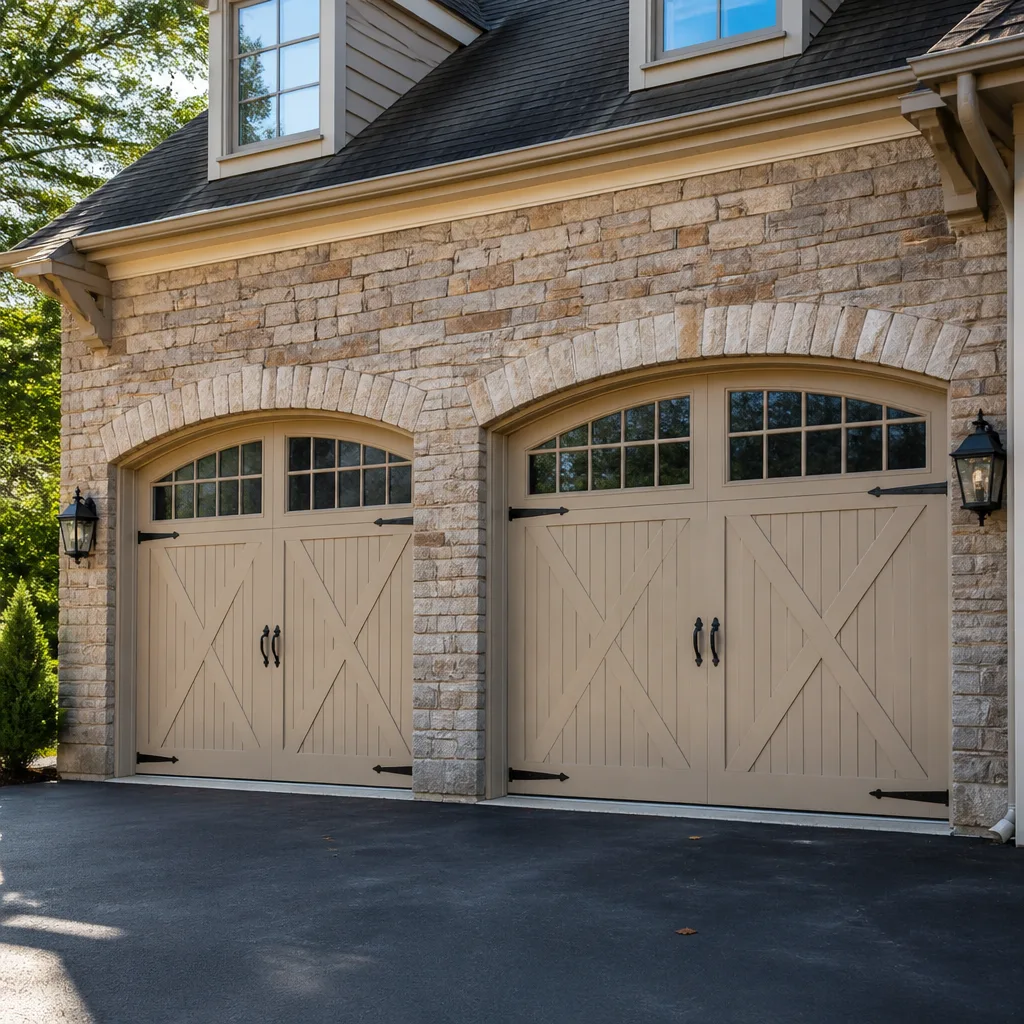 Carriage house
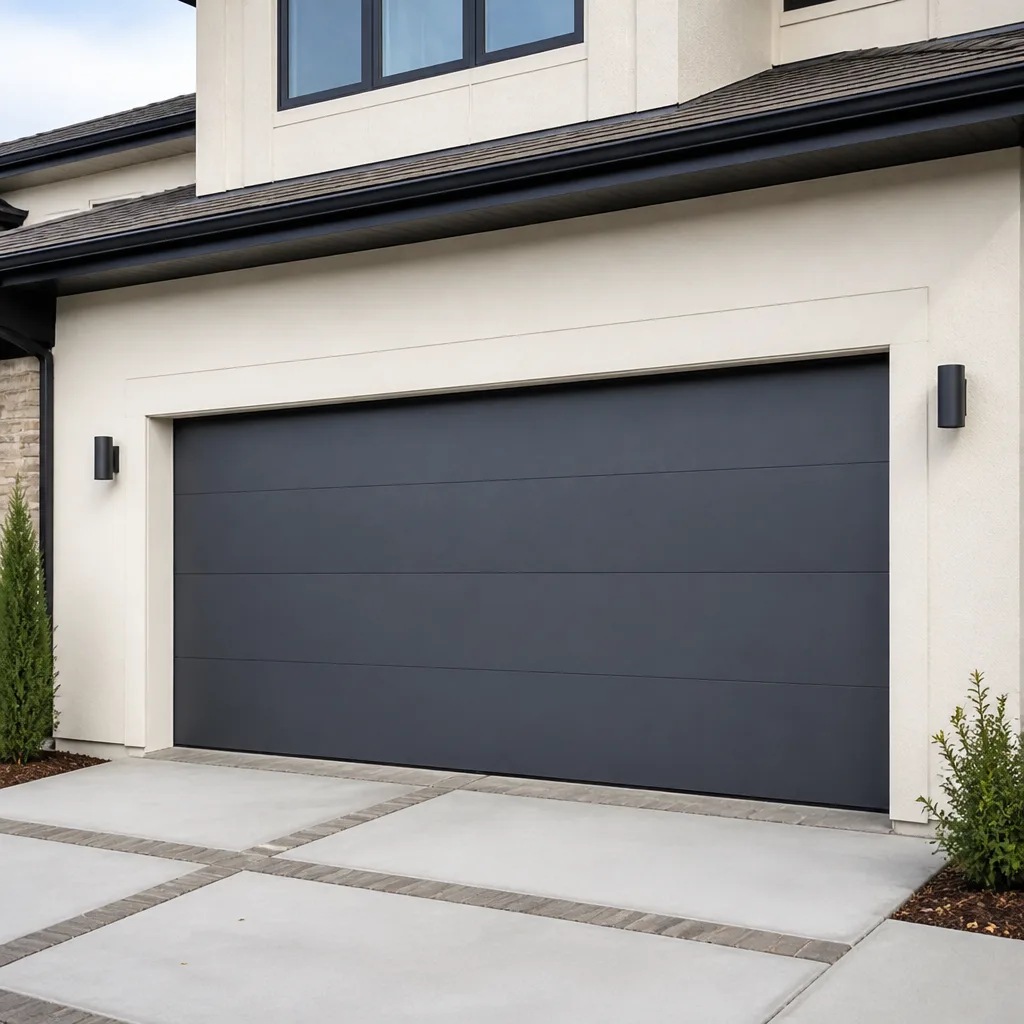 Modern flush
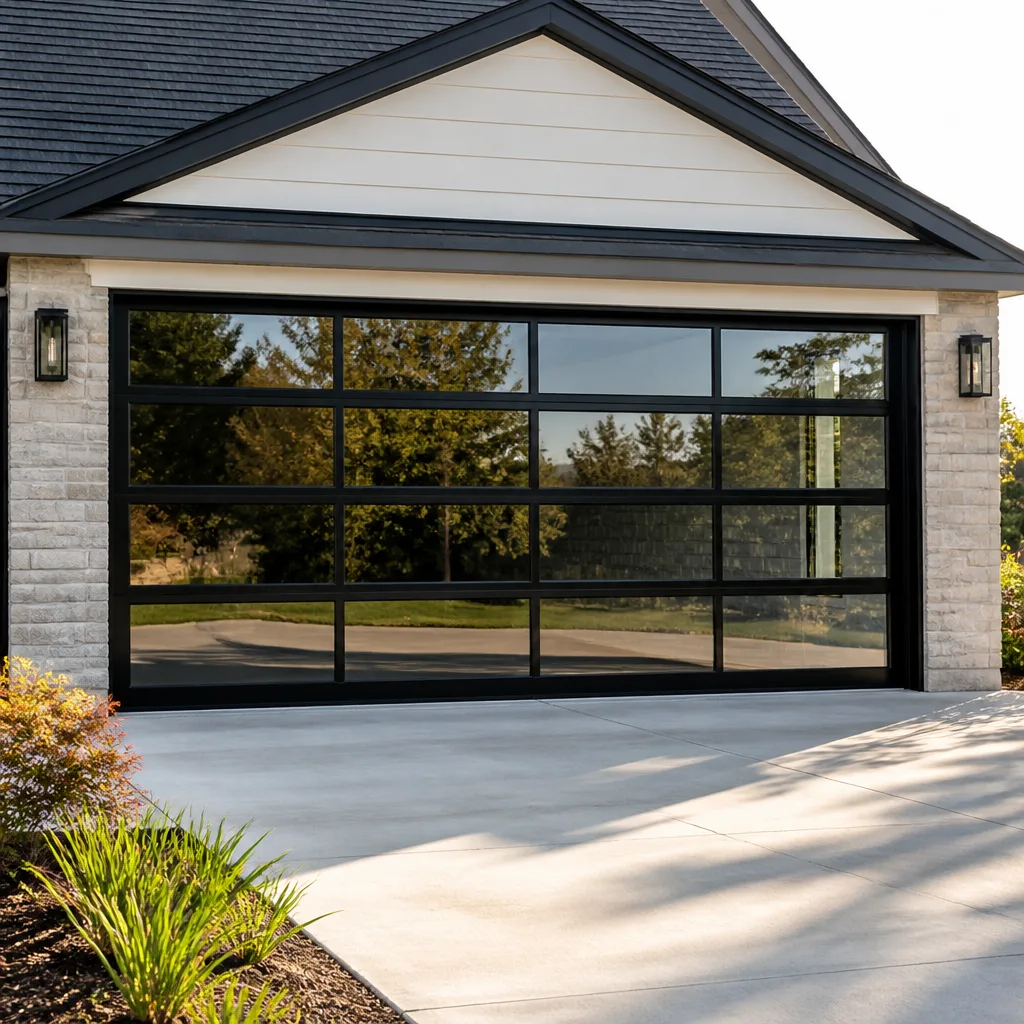 Full-view glass
 LiftMaster openers
 Chamberlain openers
Full 25-point door and opener safety check with every visit - springs, cables, rollers, tracks, and your LiftMaster or Chamberlain opener included
You get a price before we start. It does not change when the pro arrives.
Get your free estimateDIY vs Professional Garage Door: The Hell’s Kitchen Homeowner’s Decision Guide
The garage door is the one part of your home that weighs a few hundred pounds, moves every single day, and hangs above your car on nothing but tension. Most homeowners treat it as a handyman project until something breaks, then discover the repair involves springs under several hundred pounds of load and hardware that can release without warning. Here’s the part most guides skip: the real question isn’t whether you’re handy. It’s which specific jobs carry injury risk, and which jobs are almost impossible to finish in Hell’s Kitchen without professional parts access and building cooperation. This guide breaks the decision down task by task, with the local logistics that matter in a dense Manhattan neighborhood.
Quick Answer
Torsion spring replacement, cable replacement, and track straightening should always go to a trained specialist because they involve stored energy that can cause serious injury. Belt and chain adjustments, lubrication, sensor cleaning, and visual inspections are safe for most homeowners. Everything else depends on your tools, your building, and how fast you need the door working again. In Hell’s Kitchen, the deciding factor is often parts and building access, not skill.
Styles & brands we work with
- Raised-panel steel
- Carriage house
- Modern flush
- Full-view glass
- LiftMaster openers
- Chamberlain openers
Table of Contents
- Which garage door repairs are genuinely dangerous?
- The task-by-task breakdown: what you can do and what you shouldn’t
- The Manhattan parts and logistics problem
- Co-op and condo building rules you can’t DIY around
- The hidden cost of DIY mistakes
- Pre-maintenance you can do to keep repair bills down
- What professional repair actually costs in Hell’s Kitchen
- When to stop troubleshooting and call
Which garage door repairs are genuinely dangerous?
Torsion springs, extension springs, and the cables that run alongside them are the dangerous parts. A torsion spring stores enough energy to send a winding bar through drywall and across a room if it slips, and extension springs can snap toward whatever is in their path. This is why spring work is a safety-critical specialty and why we treat it that way on every job. The people who get hurt are usually not complete novices. They’re capable homeowners who watched a video and underestimated how much stored energy they were handling.
If your door won’t lift, the spring is broken, or you hear a loud bang from the garage and the door suddenly feels dead weight, don’t attempt to raise it by hand or cycle the opener to “see what happens.” The opener will try to compensate and can bend panels or snap the remaining spring. That’s a call-a-professional situation, not a troubleshooting session. Our garage door repair team handles spring work as a dedicated job, because a spring is not a component you want to experiment with.
A quick rule of thumb:
- Never attempt yourself: torsion spring replacement, extension spring replacement, cable replacement, bottom bracket removal, and anything involving the door’s counterbalance system.
- Handle with care, usually fine to inspect: rollers, hinges, weatherstripping, and panel surfaces.
- Safe for most homeowners: lubrication, sensor alignment, remote programming, and visual inspection.
The task-by-task breakdown: what you can do and what you shouldn’t
Here’s the clear split, written the way we’d explain it to a neighbor in Hell’s Kitchen who asked on the sidewalk.
Safe for a competent homeowner
- Lubrication. A garage door has rollers, hinges, and a track that need lubricant a few times a year. This is the single lowest-risk task that extends door life.
- Safety sensor alignment. If the door reverses on its own or won’t close, a misaligned or dusty sensor is often the cause. Wipe the lenses and check the alignment lights.
- Remote and keypad programming. Reprogramming a garage door opener remote is a manual-reading task, not a mechanical one.
- Visual inspection. Look at cables for fraying, springs for gaps, rollers for wear, and the door for balance. You’re checking, not repairing.
- Weatherstripping replacement. The bottom seal is low-risk and low-cost to swap, and it keeps drafts and pests out of a Hell’s Kitchen garage.
- Tightening exposed bolts. Loose hinges and brackets can be snugged with a wrench, provided you’re not touching spring hardware or the bottom bracket under cable tension.
Requires a trained specialist
- Torsion and extension spring replacement. Never a DIY job. The stored energy is the hazard.
- Cable replacement. Cables run under tension and can whip if released incorrectly.
- Track realignment. A bent track can cause the door to bind and drop, which is both a safety and a property damage problem.
- Panel replacement. Panels are heavy and awkward, and a dropped panel can injure you or damage the surrounding structure.
- Opener replacement or motor work. Electrical connections plus lifting load make this a specialist job, especially with older LiftMaster or Chamberlain units that need matching.
- Bottom bracket and drum work. Anything holding cable tension is off-limits to DIY.
If you’re not sure which category a job falls into, that’s your answer: call someone who can look at it. For the full range of work we cover, from small fixes to new doors, see our Garage Door Repair Hell’s Kitchen service overview.
The Manhattan parts and logistics problem
In the suburbs, a repair that takes two hours can turn into a two-day ordeal in Hell’s Kitchen because of parts. Big-box stores in Manhattan rarely stock the specific spring sizes, cables, rollers, and brackets that a given door needs. What you find on a shelf is generic hardware that may fit, may not, and won’t last if it’s the wrong gauge. That’s before you get to brand-specific components: a LiftMaster opener needs the right replacement parts, a Raynor door has its own panel profile, and a Craftsman or Chamberlain unit has its own remote and sensor systems.
Professional technicians carry the common parts and have supply access to the rest, which is why we can handle a job in one visit that a homeowner might spend two weekends chasing. Our technicians have up to 9 years of experience and train on all the major brands, so brand is never a reason to hear “we don’t service that.”
Then there’s access. Hell’s Kitchen is dense. A garage door job may mean moving vehicles, coordinating with a building super, and working in a tight bay with limited clearance. Professional repairs are built around that reality: a scheduled arrival, the right tools on hand, and a job done before the car needs to move again.
Co-op and condo building rules you can’t DIY around
Hell’s Kitchen has a large share of co-op and condo buildings, and that changes the DIY calculation. Building rules often govern who can work on shared or street-facing garage infrastructure, what hours work can happen, and what insurance a contractor carries. A homeowner doing their own repair may be personally liable if something fails and causes damage to a shared wall, another vehicle, or a common area. The building’s insurance may not cover a DIY mistake the way it covers a licensed contractor’s work, and a co-op board can require proof of insurance before anyone touches the door.
Before you decide to self-repair, check:
- Does the building require a licensed and insured contractor for garage door work?
- Are there work-hour restrictions that affect your plan?
- Will your homeowner’s policy respond to a DIY injury or damage claim?
- Is the garage door a shared element or the owner’s responsibility?
If any of those answers are unclear, call your building manager before you start. It’s cheaper to ask than to explain a damaged wall later. For a full installation or replacement, our garage door installation team works with buildings on scheduling and access, and we’re happy to answer those building questions up front.
The hidden cost of DIY mistakes
The worst DIY outcomes are not the ones that fail immediately. They’re the ones that seem to work and quietly cause damage. A wrong-gauge cable can hold for a while, then fail under load at the worst moment. An opener that’s been manually cycled against a broken spring can overheat or strip a gear. A panel bent during a home repair can’t be un-bent; it gets replaced, and matching a discontinued panel color on an older door is its own problem. A small fix that goes wrong can lead to a much larger replacement bill.
There’s also the time cost. A weekend spent on a repair that fails is a weekend gone, plus the cost of the pro repair you end up calling anyway. In Hell’s Kitchen, where cars, access, and building schedules are already tight, unpredictability is expensive. The honest comparison isn’t “DIY free versus pro paid.” It’s “DIY cost plus risk of a bigger repair versus a written, agreed price with the right parts.”
That’s why we quote and agree on price before any work begins. You’ll know what the job costs before the first tool comes out. Call (877) 801-5288 for a free estimate.
Pre-maintenance you can do to keep repair bills down
This is the part that rewards you for reading the whole guide. The homeowners who spend the least on garage door repair are the ones who do the small, safe tasks on a routine schedule. You can handle these yourself without touching a spring or a cable.
- Lubricate twice a year. Hinges, rollers, and the track get a light silicone-based lubricant. Don’t use grease, which collects grit.
- Test the balance. Disconnect the opener, lift the door halfway, and let go. A well-balanced door holds its position. A door that falls or rises on its own needs professional adjustment.
- Test the safety reverse. Place an object in the door’s path and confirm it reverses. Do this monthly.
- Clean the sensors. Dust and cobwebs are the most common cause of “the door won’t close” calls.
- Inspect cables and springs visually. Look for fraying, gaps, and rust. Don’t touch; just report what you see.
- Keep the tracks clear. Debris in the track causes binding and roller wear.
- Watch for changes in sound. A door that’s getting louder is warning you about wear.
None of these replace a professional tune-up, but they catch the small stuff early and make the occasional pro visit about real repairs rather than neglected basics.
What professional repair actually costs in Hell’s Kitchen
Every job is quoted per job, and the written estimate sets the price. What we can share are typical estimate ranges so you know what to expect before you call. These are estimates for the Hell’s Kitchen market, not fixed prices.
- Spring replacement (one spring): typically $180 to $340, depending on spring type and door size. A matched pair is usually replaced together, so a pair costs about twice a single spring.
- Cable replacement: typically $120 to $220 per cable, more if both sides and the bottom brackets are involved.
- Track realignment or roller replacement: typically $100 to $200, depending on how many rollers and how bent the track is.
- Opener repair: typically $90 to $250, depending on whether it’s a sensor, gear, or logic board issue and which brand.
- Panel replacement: varies widely with panel size, brand, and color match; a written estimate is the only way to know.
- New door installation: priced per measure and door, with a written quote after we’ve seen the opening and the building access.
Those are ranges, not a promise. The written estimate you receive sets the final price, and we agree it with you before work starts. If you’re comparing DIY cost to pro cost, include the price of the right parts, your time, and the risk of a bigger repair. For repair and emergency calls, we can often come the same day. For installation and replacement, the job is measured, ordered, and scheduled. Call (877) 801-5288 for a free estimate.
When to stop troubleshooting and call
Call us when any of these are true:
- The spring is broken or the door feels like dead weight.
- A cable is frayed, loose, or hanging.
- The door is crooked, binding, or won’t close fully.
- The opener runs but the door doesn’t move, or the door reverses unpredictably.
- The door is off its track or a panel is bent.
- You’ve tried a safe fix twice and it didn’t hold.
Spring, cable, and track problems are the ones we never want a homeowner to attempt. Everything else is a judgment call, and we’d rather answer a quick question than have you risk a hospital visit. Our technicians are trained on all the major brands, and emergency service is a core part of what we do when a door can’t wait. One call covers repair, installation, opener work, and spring replacement, so you won’t be passed to a second company.
Common Mistakes to Avoid
- Trying to “help” a broken spring by cycling the opener. The opener isn’t built to lift a dead door and can burn out or bend panels. Leave it disconnected and call.
- Buying generic hardware from a Manhattan big-box store. Wrong-gauge cables and mismatched rollers are a common cause of repeat failures. Match the part to the door and the brand.
- Assuming your building allows DIY garage work. Co-op and condo rules on contractors, insurance, and work hours can make a solo repair a liability problem, not just a repair problem.
- Skipping lubrication because “it’s working fine.” Quiet doors fail less often. A few minutes twice a year prevents the loud-repair call later.
- Ignoring a small fray on a cable. A cable rarely fails without warning. A visual inspection catches it before it snaps under load.
- Not getting a written estimate. Handshake quotes in any trade leave room for an invoice surprise. Ask for the price in writing and agree it before work starts.
- Waiting on a door that won’t close in Hell’s Kitchen. An open or failing door in a dense neighborhood is an access and security issue, not just an inconvenience. Call the same day.
See the difference
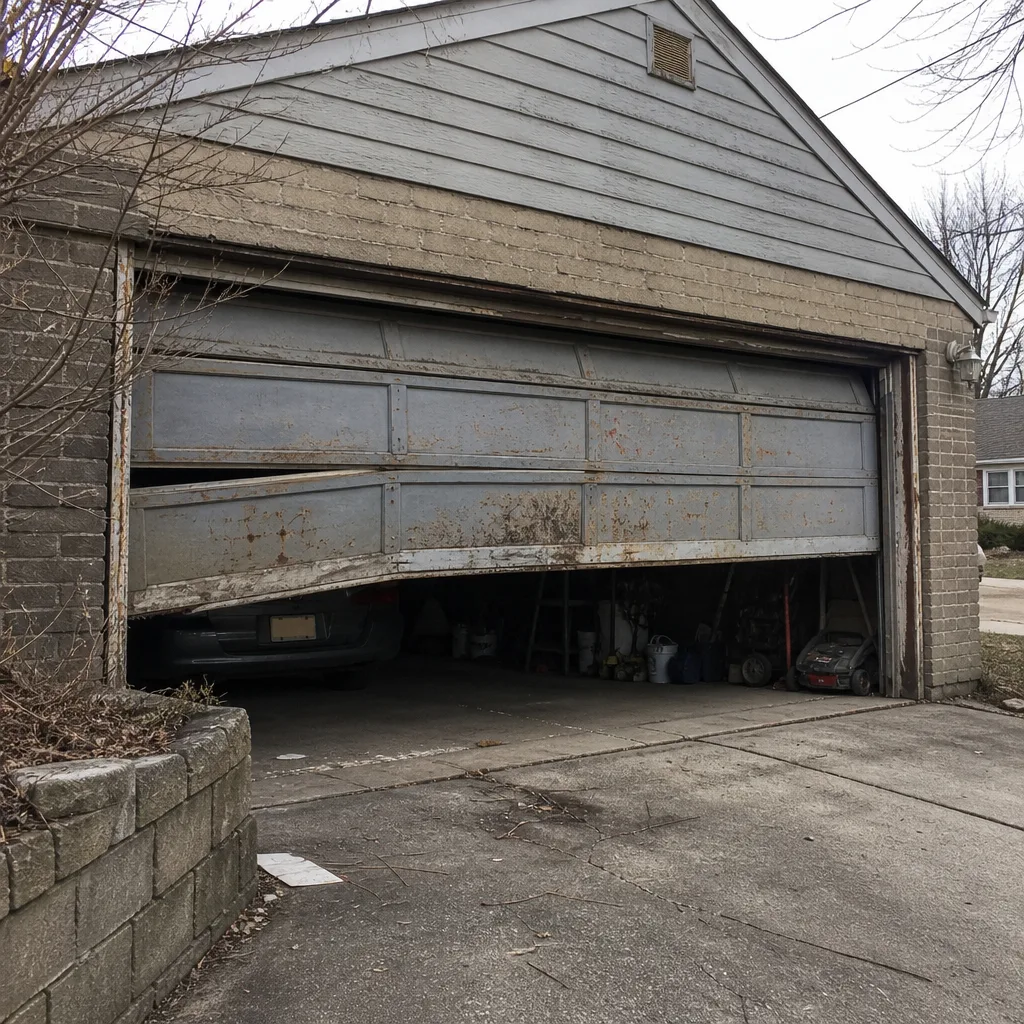 Before
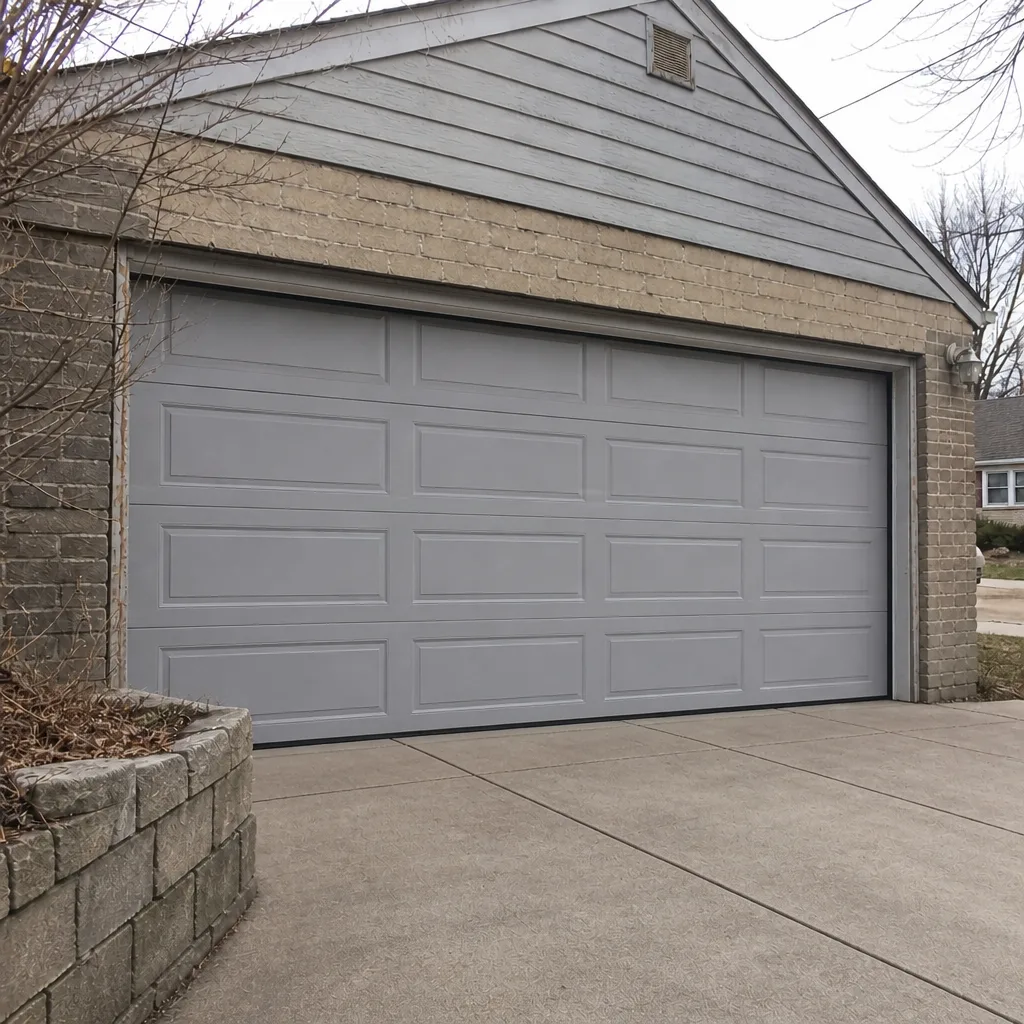 After
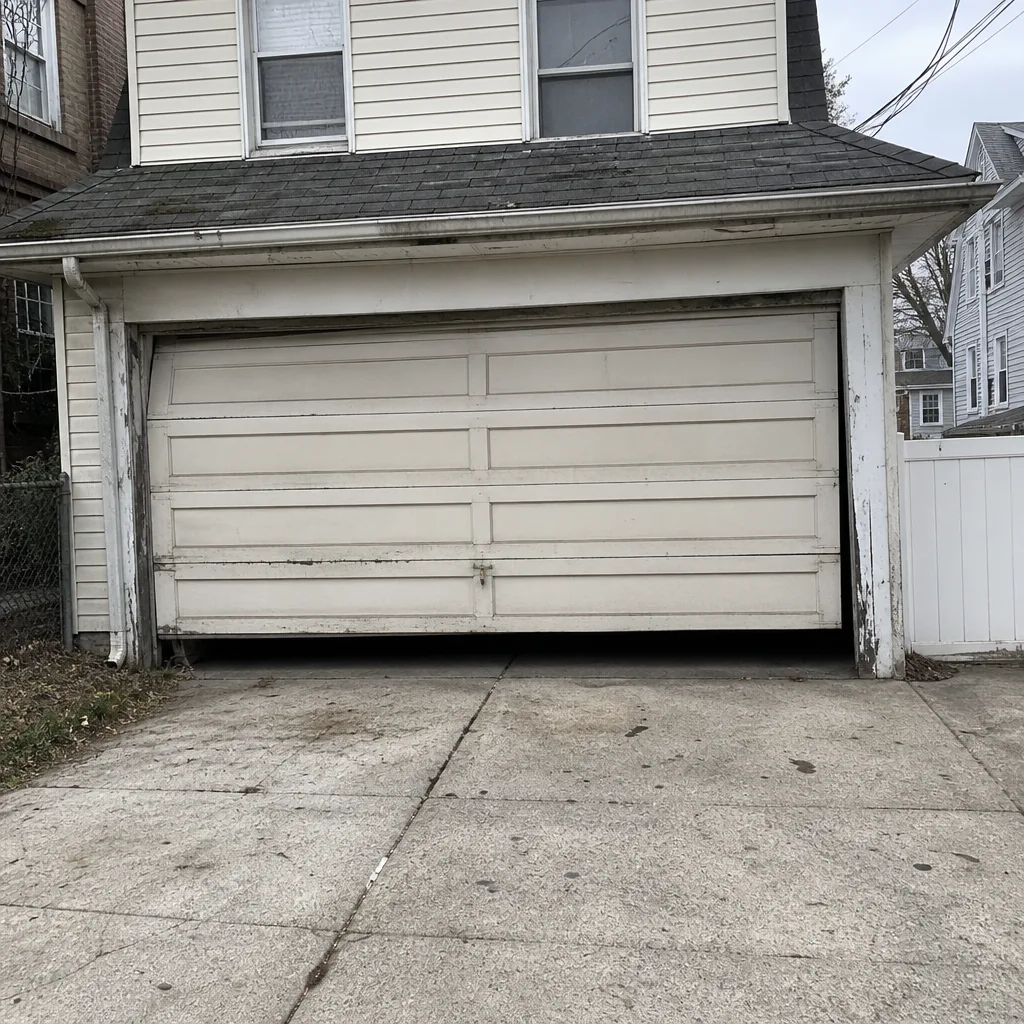 Before
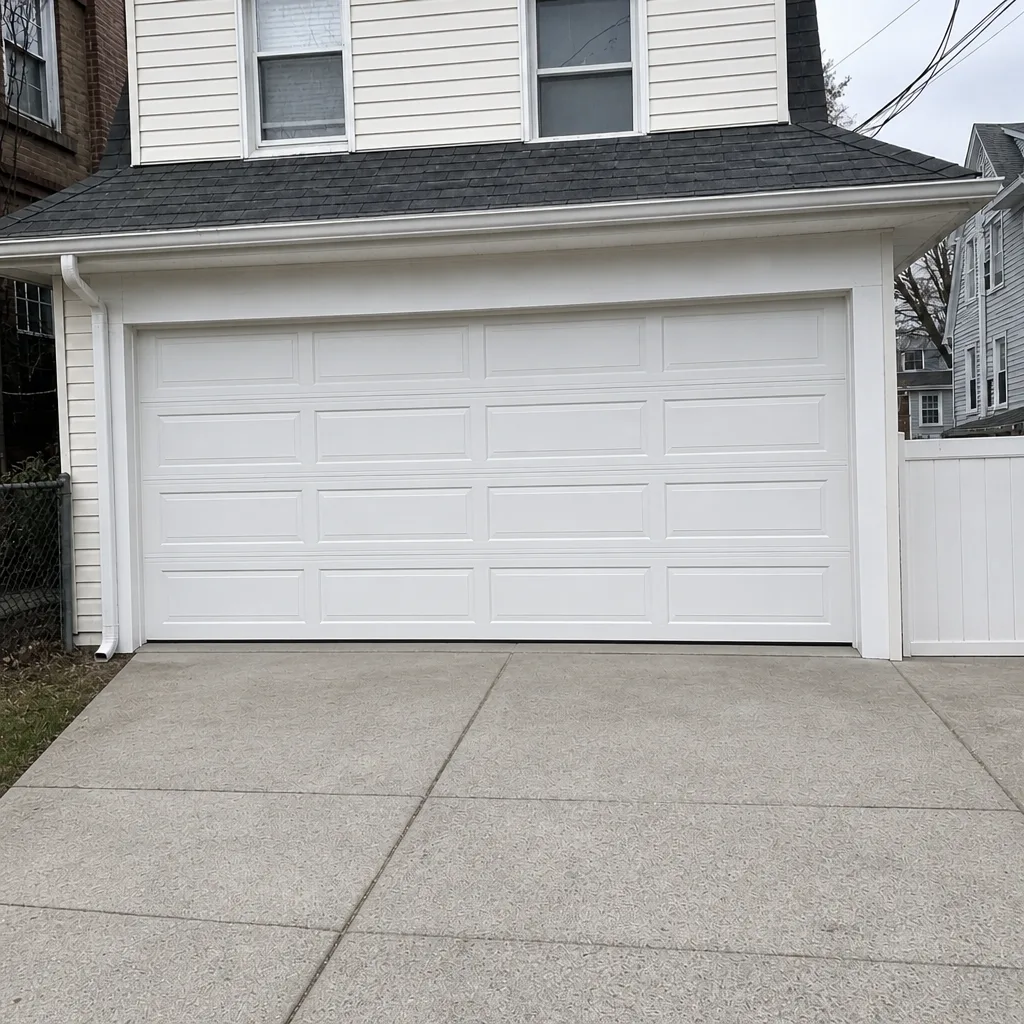 After
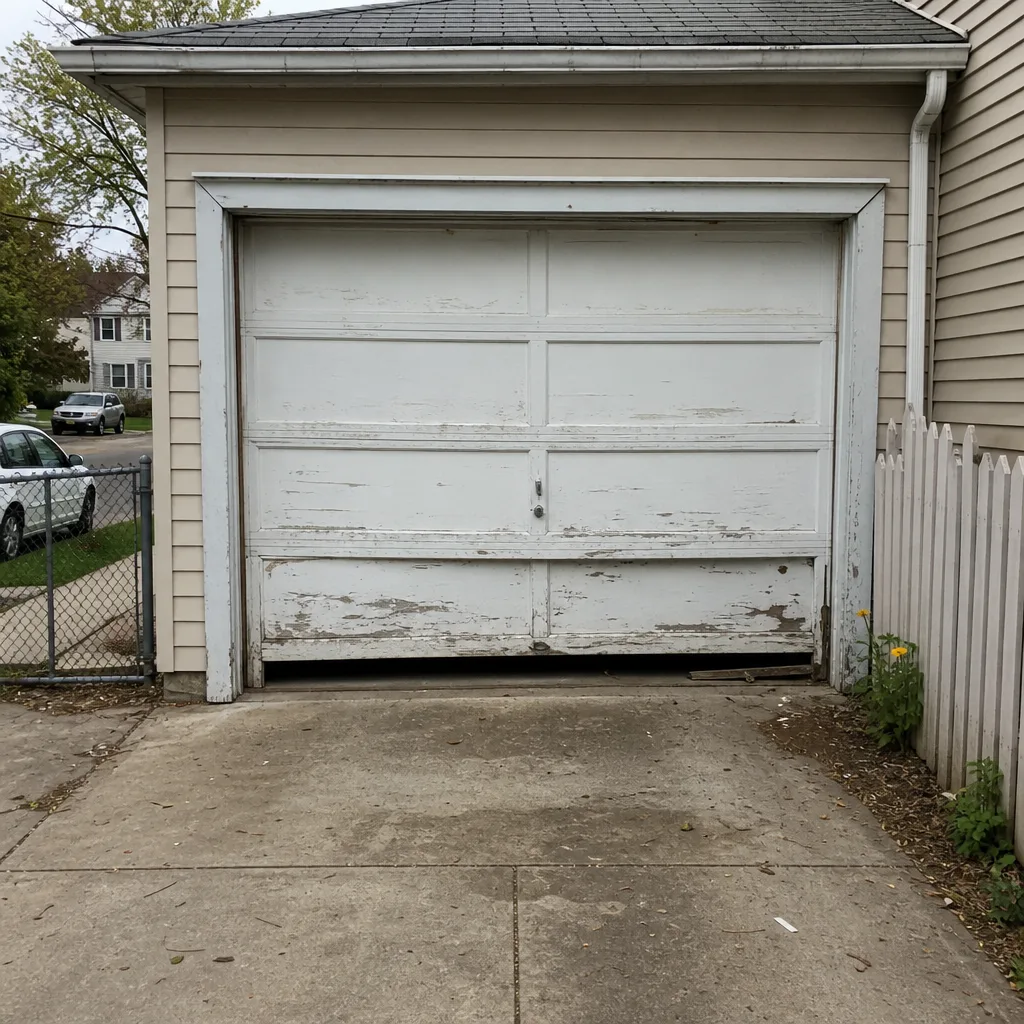 Before
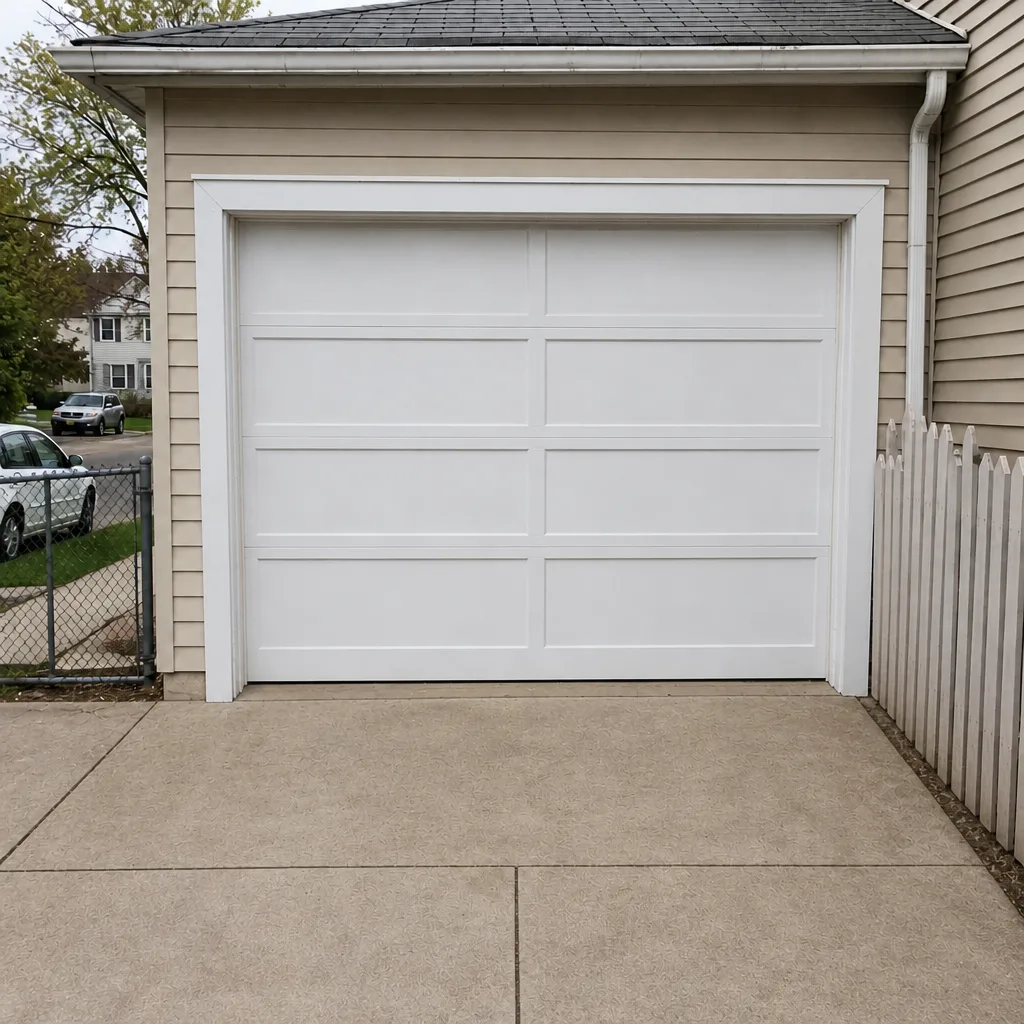 After
When to Call a Professional
Call a professional for anything involving springs, cables, the bottom bracket, track realignment, panel replacement, opener motor work, or a door that’s off its track. Those jobs carry real injury risk and require the right parts, and in Hell’s Kitchen they often require building coordination too. Call us if you’ve tried a safe fix twice and it didn’t hold, or if the door has become a security or access problem. Garage Door Repair Hell’s Kitchen offers free estimates in Hell’s Kitchen. Call (877) 801-5288.
Frequently Asked Questions
No. Torsion and extension springs store enough energy to cause serious injury if they release unexpectedly, and spring work is a specialist job with specialist tools. Even experienced homeowners shouldn’t attempt it. Call (877) 801-5288 for a free estimate.
Typical estimates run about $180 to $340 for one spring, $120 to $220 per cable, and $90 to $250 for opener repair, depending on the job. The written estimate sets the final price and is agreed before work starts. Call (877) 801-5288 for an exact quote.
Often yes. A door that won’t close is an access and security problem, and we treat it as an emergency call. Call (877) 801-5288 and we’ll tell you what’s available.
No surprises: we inspect the door, quote the job, and agree the price with you before any work begins. If the job turns out to be different than described, we’ll explain why and re-quote before proceeding.
The local professionals we connect you with are licensed and insured as their state requires. Ask for their credentials when they arrive, and we’ll confirm them when you book.
Yes: lubrication, sensor cleaning, remote programming, weatherstripping, and visual inspection are all safe for most homeowners. Springs, cables, tracks, and panel replacement are not. When in doubt, call and ask before you start.
The Bottom Line
The DIY-versus-pro decision for a Hell’s Kitchen garage door comes down to three questions: does the job involve stored energy, do you have the right parts in a Manhattan market, and does your building allow it? Springs, cables, and track work are always pro jobs because of the injury risk. Routine lubrication and inspection are yours to handle, and doing them regularly keeps the pro bills lower. When a repair can’t wait, or when a building rule is in play, call a specialist who works on your brand and can quote before starting. Call (877) 801-5288 for a free estimate from Garage Door Repair Hell’s Kitchen.
Written by the team at Garage Door Repair Hell’s Kitchen.