Last updated November 21, 2026
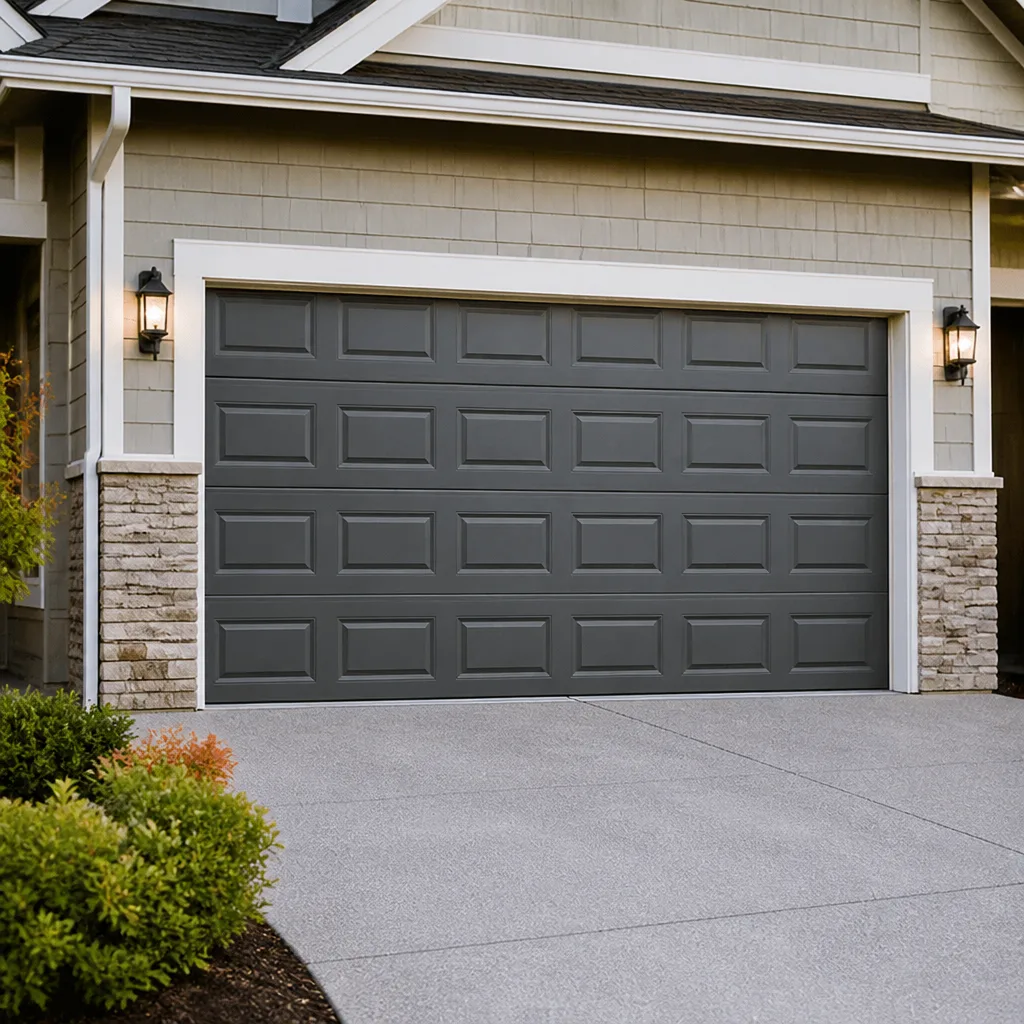 Raised-panel steel
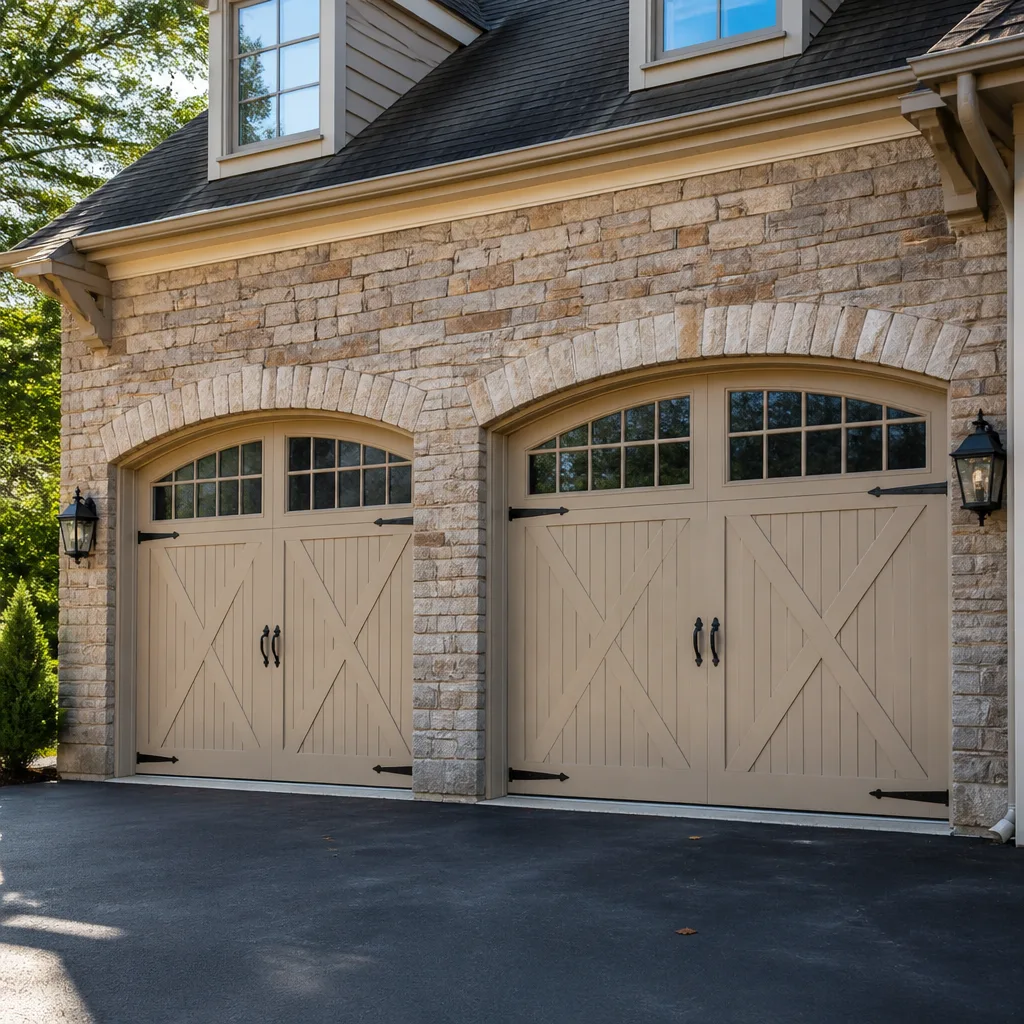 Carriage house
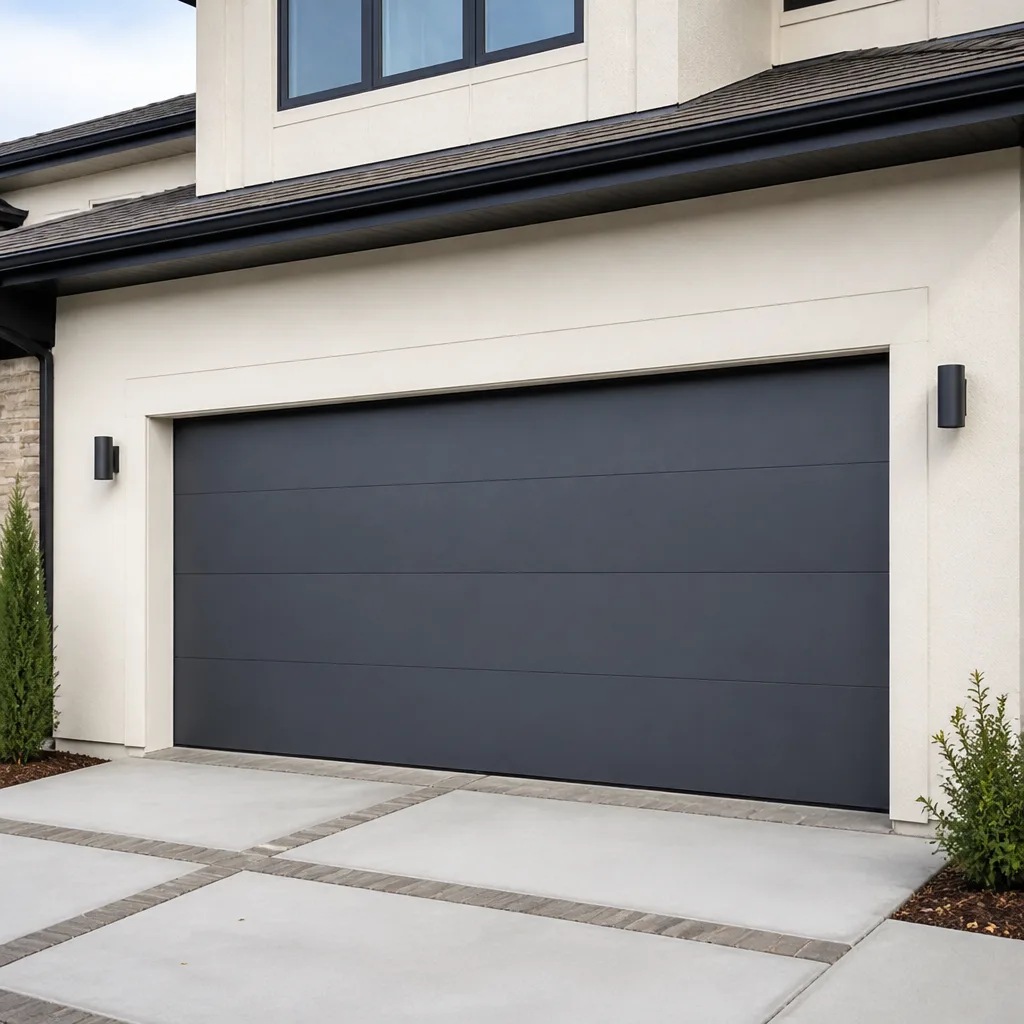 Modern flush
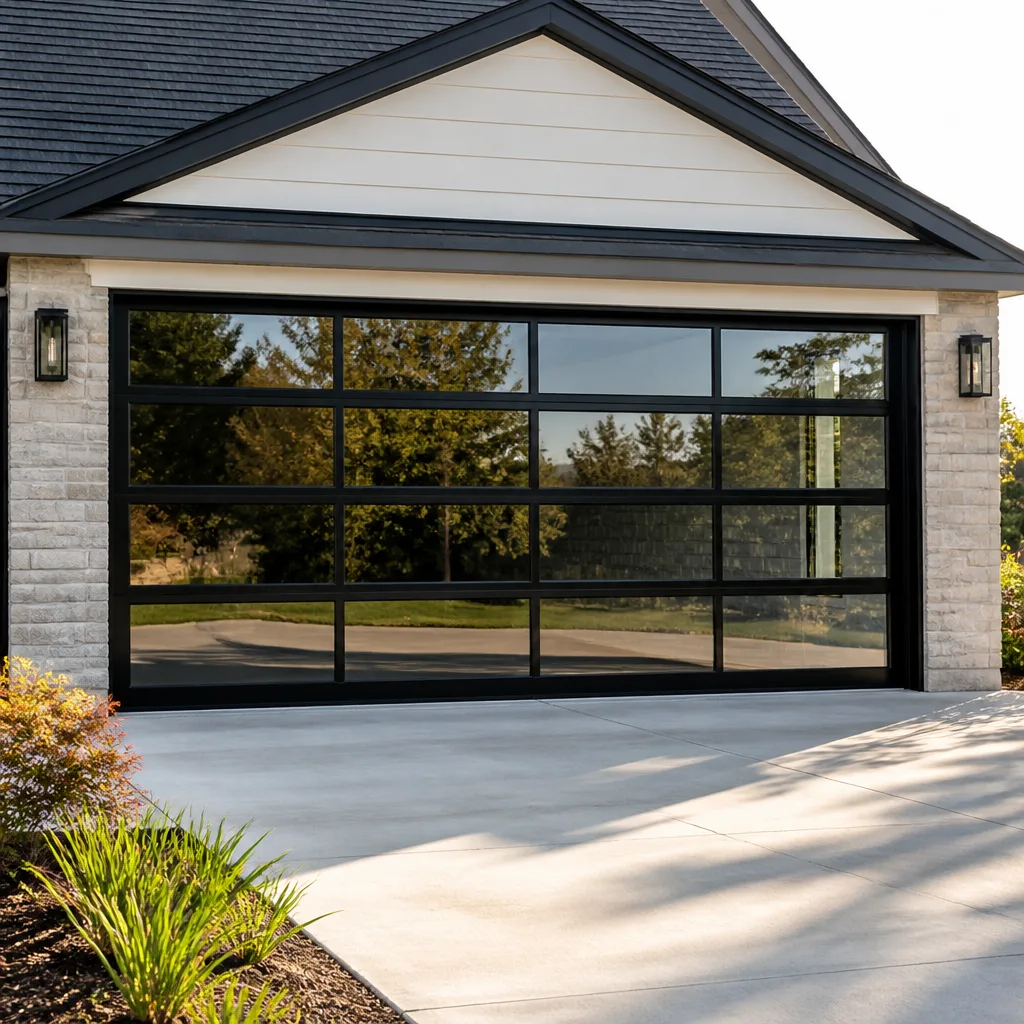 Full-view glass
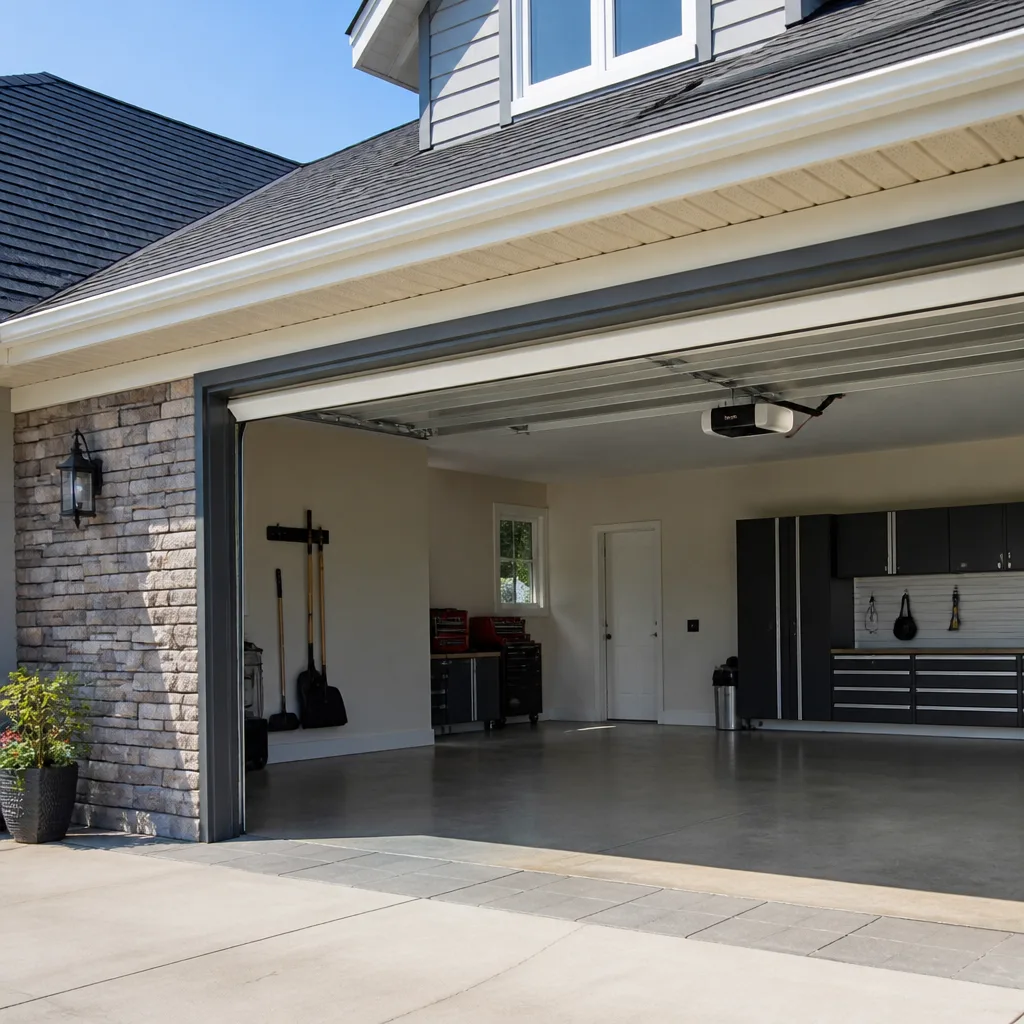 LiftMaster openers
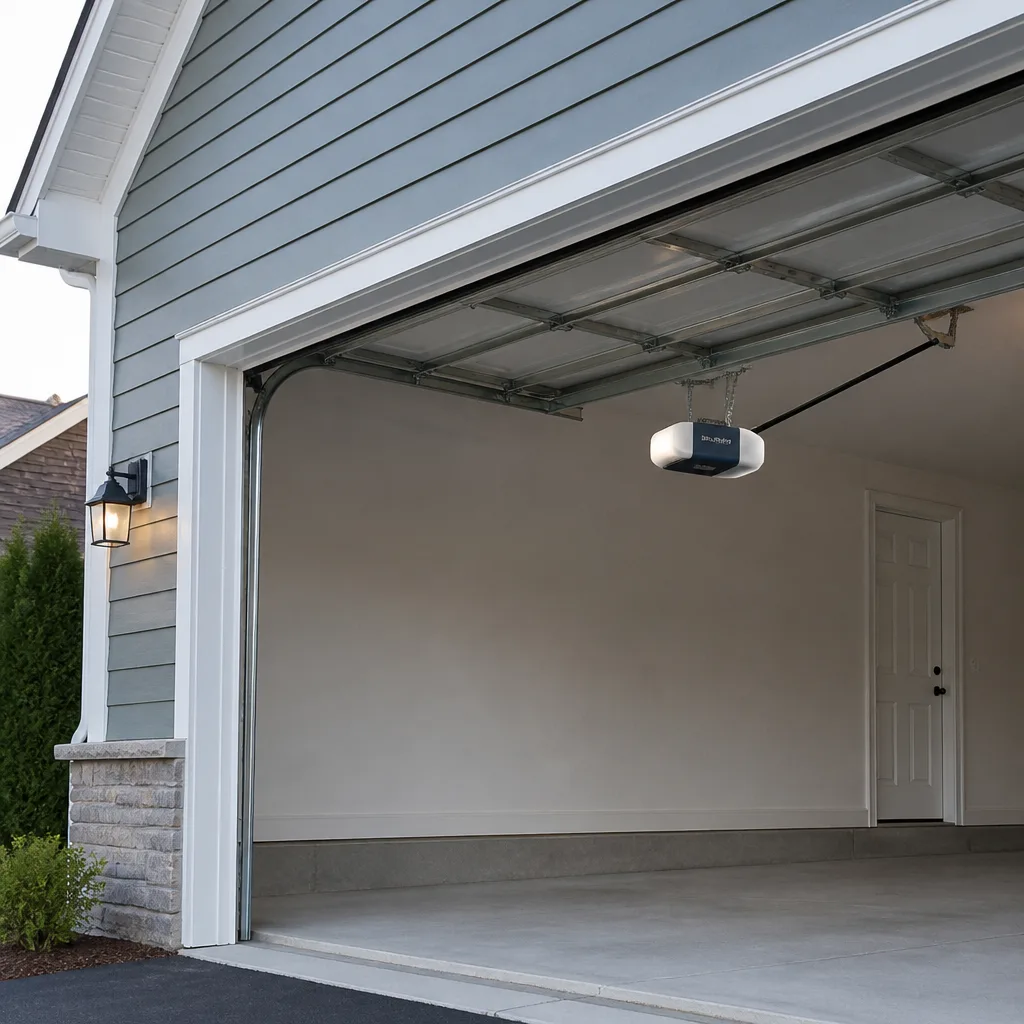 Chamberlain openers
Full 25-point door and opener safety check with every visit - springs, cables, rollers, tracks, and your LiftMaster or Chamberlain opener included
You get a price before we start. It does not change when the pro arrives.
Get your free estimateGarage Door Warning Signs: A Hell’s Kitchen Homeowner’s Reference Guide
A garage door that’s slightly slower than it used to be isn’t aging gracefully. It’s telling you a spring is losing tension, and in New York City winter conditions, that spring has a timetable. Most garage door failures don’t happen without warning at all. They happen after months of warnings that nobody knew how to read. A rattle you’ve learned to tune out, a door that hesitates before it rises, a gap along the bottom seal that lets in cold air and lets out heat: each of these is a message, and this guide teaches you to read your door the way a specialist does. You’ll learn what’s normal, what’s a warning, and what means stop using the door today. Everything here applies to the doors we see across Hell’s Kitchen, from the walk-ups near Ninth Avenue to the newer buildings along the waterfront.
Styles & brands we work with
- Raised-panel steel
- Carriage house
- Modern flush
- Full-view glass
- LiftMaster openers
- Chamberlain openers
Quick Answer
The most common garage door warning signs in Hell’s Kitchen are a door that moves slower or more unevenly than it used to, a loud bang or repeated popping from the torsion bar, frayed or slack cables, worn rollers, a door that reverses before it closes, and visible gaps at the bottom corners. A single symptom usually means schedule a repair this week. A snapped spring, a hanging cable, or a door that won’t stay up means stop using the door and call for emergency service. Read the door from the ground with your eyes and ears, and you’ll catch most failures before they strand your car.
Table of Contents
- Listening to Your Door: Normal Noise vs. Failing Hardware
- What You Can See From the Ground Without Tools
- Uneven Door Gaps and What They Actually Mean
- Opener Behavior Changes That Signal Decline
- Hell’s Kitchen Seasons and the Wear They Cause
- Stop Using the Door Today vs. Schedule a Repair This Week
- A Monthly 10-Minute Walk-Around Checklist
- Common Mistakes to Avoid
- When to Call a Professional
- Frequently Asked Questions
Listening to Your Door: Normal Noise vs. Failing Hardware
Every garage door makes noise. The question is which noises are part of the job and which are a component announcing its exit. A healthy door has a low, steady rumble: the opener motor, the rollers in the track, the panels shifting a little as they move. It’s repetitive and predictable. You could hum along with it. When the rhythm breaks, that’s your cue to pay attention.
Here’s how we sort sounds when we’re standing in a Hell’s Kitchen garage or driveway with a homeowner:
- A single loud bang, then a door that won’t lift: almost always a torsion spring breaking. It’s the loudest sound a door makes and the most common reason people call for garage door repair Hell’s Kitchen the same day. The door will feel heavy or not move at all.
- Repeated popping or creaking as the door rises: worn rollers, dry hinges, or a torsion bar binding. Usually a repair you can schedule, not an emergency.
- Grinding or scraping that changes with door position: metal dragging on metal. Often a bent track or a roller that’s come out of its channel. Stop and look before you run the door again.
- A rhythmic thump once per revolution: a warped panel or a drum that’s out of balance. This one tends to get worse over months, not days.
- Humming with no movement: the opener motor is running but the door isn’t lifting. That’s an opener problem, not a door problem, and it belongs in garage door opener repair.
The one we hear most from Hell’s Kitchen homeowners is the slow, grinding whine that shows up in February. Cold thickens the lubricant in the rollers and stiffens the torsion spring, so everything turns harder. If your door complains only in winter and quiets down in spring, you’re hearing temperature, not failure. If it complains all year and gets louder, you’re hearing a component going.
What You Can See From the Ground Without Tools
You don’t need a ladder, a flashlight, or a tool bag to catch most early problems. Stand back from your door with it closed and look. Then watch it move. In our experience, the eye catches what the ear misses.
- Look at the springs above the door. A torsion spring is the coiled bar across the top. A clean, even coil with no visible gap is normal. A gap in the coil, a spring that looks stretched compared to where it started, or a torsion bar that’s visibly bowed means it’s lost tension. Snapped springs are obvious: two separate pieces. Never touch a spring, and never try to wind or unwind one.
- Look at the cables on each side. They run from the bottom corner of the door up to the drum. They should be taut and straight. Frayed strands, a cable that looks slack, or a cable hanging loose off its drum is a stop-now condition. Cables are under extreme tension and can whip if they fail.
- Look at the rollers and hinges. With the door closed, rollers should sit fully inside the track. A roller out of its channel, a hinge that’s cracked, or a roller that wobbles as the door moves means the hardware is worn.
- Look at the track. It should be straight and parallel on both sides. Dents, kinks, or a section that bows inward are common after a car nudges the door, and they’ll wear the rollers fast.
- Look at the panels. A dent in a steel panel is cosmetic. A panel that’s separating from its neighbor, or a hinge pulling away from the panel, is structural and needs attention.
One more thing to check from the ground: the photo-eye sensors near the floor on each side of the opening. If they’re misaligned or blocked by a box or a bag of recycling, the door will reverse and act like it’s broken when it isn’t. Wipe them off and straighten them before you call anyone.
Uneven Door Gaps and What They Actually Mean
A gap along the bottom of your garage door is the sign homeowners underestimate most. In Hell’s Kitchen, a gap means cold air in winter, street grit and dust in summer, and often water finding its way along the floor. But what the gap looks like tells you what’s behind it.
- A gap that’s even along the whole length: usually a worn or flattened bottom seal. The rubber weatherstrip sits on the floor and flattens over time. This is the least serious gap and the easiest to fix.
- A gap that’s wider at one corner: a door that’s out of level. Something is uneven in the springs, cables, or the track. A sagging corner is almost always a cable or spring tension issue, and that’s a professional job.
- A gap that opens and closes as the door moves: the door is racking, meaning it’s twisting as it travels. This points to a track, roller, or hinge problem and should be looked at before it wears the panels.
- A gap along one side, not the bottom: a bent track pulling the door away from the frame, or a door that’s jumped its rollers. Both are stop-now conditions.
Here’s the structural piece competitors skip: a door that’s out of level isn’t just leaking air. Every time it runs, the opener and the springs are working against an uneven load. That extra strain shortens the life of whatever’s carrying the imbalance. A gap you can see today is often a spring or cable problem you’ll hear about later. We’d rather you call about a corner gap than a snapped spring, because the fix is simpler and less expensive when it’s caught early.
It’s also a good reason to keep an eye on your garage door repair history in your head. If you’ve had the seal replaced and the gap keeps opening on one side, the seal was never the real problem.
Opener Behavior Changes That Signal Decline
Opener failures rarely arrive out of nowhere. They develop, and they show up in the door’s behavior long before the motor dies. The openers we work on most often are the household names: LiftMaster, Chamberlain, Genie, and Craftsman, and they all tell the same story when they’re on the way out.
- Hesitation at the start: you press the remote and nothing happens for a second or two before the door moves. Usually a sign of a weak capacitor, worn gears, or a logic board that’s starting to go.
- Reversing before it closes: the door comes down, stops, and goes back up. If the photo eyes are clean and aligned, this often means the force limits are set wrong or the door is binding in the track. It’s a safety feature doing its job and flagging a mechanical problem.
- Remote lag or a shrinking range: you have to be closer to the door, or press the button twice. That’s often a failing receiver, old batteries, or interference from a neighbor’s opener or a LED light bulb on the same circuit.
- Short travel or a door that stops halfway: the travel limits have drifted or the motor is struggling. This one gets worse fast.
- The door won’t stay up after you raise it: not an opener failure. That’s a broken spring or a door that’s lost tension. Don’t let the opener push a door it can’t hold.
If the opener hums but the door doesn’t move, or the door runs but the light doesn’t come on, those are clear signals. So is a motor that’s warm to the touch after one cycle or a unit that smells of hot plastic. Stop using it and have it looked at. The components that fail inside an opener can usually be repaired rather than replaced, which is why we always diagnose before we recommend a new unit. When a motor does need replacing, that’s part of what we handle for garage door installation as well, since we’re already set up on your door.
Hell’s Kitchen Seasons and the Wear They Cause
A garage door in Hell’s Kitchen lives a harder life than one in a suburb, and the seasons here punish specific parts. Knowing which parts take the hit when helps you know what to check and when.
Winter is spring season. A torsion spring is a steel coil under constant tension, and cold makes steel stiffer and more brittle. Every cycle in January works the spring harder than the same cycle in June. That’s why snapped springs cluster in the coldest months and why a spring that’s been quietly losing tension through the fall tends to give out on the first deep freeze. Cold also thickens lubricant in the rollers and hinges, so the door moves heavier and the opener works harder. If your door got noticeably slower in December, that’s not your imagination.
Spring and fall bring the temperature swings. A door that’s adjusted for a warm afternoon can bind on a cold morning, and the reverse. If your door runs rough for a few days after a cold front moves through and then smooths out, that’s the door telling you the balance is marginal. That’s the best time to get it looked at, because the parts are still cheap to fix.
Summer brings heat and humidity, which are harder on the opener and the electronics than the door itself. Logic boards and capacitors dislike heat. A garage that gets full afternoon sun will run hotter than the air outside, and a unit that’s already marginal can start acting up in July. Summer also brings the occasional heavy storm, and wind-driven rain finds every gap in a bottom seal.
Add the city’s own wear: a door on a Hell’s Kitchen street cycles a lot. Short trips to move the car, deliveries, street cleaning days. More cycles per week means springs and rollers wear faster than the manufacturer’s cycle estimate assumes. It’s one reason we tell homeowners here to look the door over monthly rather than yearly.
Stop Using the Door Today vs. Schedule a Repair This Week
This is the judgment call most homeowners get wrong, in both directions. Some keep running a door that’s dangerous. Others pay for an emergency call on something that could have waited until a normal appointment. Here’s how we draw the line.
Stop using the door and call for emergency service
- A loud bang followed by a door that won’t open, or opens only a few inches and stops. You’ve likely lost a spring.
- A cable that’s frayed, slack, or hanging loose. Cables are under tremendous tension and can cause serious injury. Don’t touch it and don’t run the door.
- A door that won’t stay up when you lift it by hand, or one that drops on its own. The springs aren’t doing their job.
- A door that’s come off its track or is visibly crooked in the opening.
- Any door where you can see the bottom panel lifting away from the frame as it moves.
- An opener that smokes, smells of burning, or trips a breaker.
If any of these are true, park the car outside if you can, secure the garage from the inside, and get someone out. A broken door on a Hell’s Kitchen block is an access and security problem, not just an inconvenience, and that’s exactly what our emergency service is for.
Schedule a repair within the week
- A door that’s slower, louder, or rougher than it used to be but still opens and closes fully.
- An uneven gap at the bottom corner, or a bottom seal that’s flattened.
- Rollers that are worn or a hinge that’s cracked.
- An opener that hesitates or reverses occasionally but mostly works.
- A remote that needs a closer press or fresh batteries.
- A single dented or slightly bent panel.
These are the problems worth catching early. A worn roller is a small repair that protects your track and your panels. A worn spring that’s still holding is a scheduled replacement that costs less than an emergency on a cold Saturday. Same principle, different urgency. When in doubt, don’t run the door repeatedly to “see if it’s still broken.” Each cycle works the failing part harder.
A Monthly 10-Minute Walk-Around Checklist
This is the routine we’d suggest to any Hell’s Kitchen homeowner who wants to get years out of a door. It takes about ten minutes, once a month, and it costs nothing. Do it with the door closed first, then run one cycle and watch and listen.
- Walk the full width of the door. Look for dents, scratches, and panel separation. Note anything new.
- Look up at the springs and down at the cables. No gaps in the coil, no frayed strands, no slack cable.
- Check the bottom seal. No visible light through the gap, no cracks or missing chunks in the rubber.
- Look at the rollers and hinges. All rollers seated in the track, no loose or cracked hinges.
- Wipe the photo eyes. Clean the lenses on both sensors near the floor and check they’re pointed at each other.
- Run the door once and listen. Compare it to last month. Faster, slower, louder, rougher? Any of those is a note.
- Test the safety reverse. Put a small object in the door’s path and confirm the door reverses when it meets it. Don’t stand in the path yourself.
- Test the manual release. With the door closed, pull the red release handle to confirm it disengages, then re-engage it and run the door once to reset the travel.
No tools, no ladder, no lifting. If anything on this list looks or sounds wrong, write it down and call. A ten-minute look once a month catches most of what would otherwise become an emergency. It’s also how you learn your own door’s normal, which makes the abnormal obvious.
Common Mistakes to Avoid
- Blaming the opener for a door problem. An opener that struggles is often just telling you the door is heavy. The springs, not the motor, are usually the issue. Replacing the opener without fixing the door just wears out the new unit faster.
- Ignoring a single “it’s probably nothing” symptom. One slow spot, one rattle, one gap that keeps reopening. Warnings don’t usually go away; they accumulate. A small fix in month one is a bigger repair in month six.
- Trying to adjust or replace springs or cables yourself. These are under extreme tension and are among the most dangerous jobs in home maintenance. There’s no safe DIY version of this, and a failure can cause serious injury. Leave springs and cables to trained specialists.
- Greasing the wrong parts. The rollers and hinges can take a light lubricant. The track, the spring, and the photo eyes should stay clean and dry. Lubricating the track attracts grit and makes the door slip.
- Ignoring a gap along the bottom in winter. In Hell’s Kitchen, a gap that lets cold air in also lets heat out and can let water in along the floor. It’s easy to fix and easy to forget.
- Running a door with a broken or frayed cable “just until payday.” A cable can fail while the door is in motion, and that’s when doors come off their tracks and cars get damaged. No repair is worth that risk.
- Waiting for the door to fail before calling anyone. A pre-failure inspection is the cheapest visit we make. It’s the difference between a scheduled replacement and a call from a cold driveway.
When to Call a Professional
Call a professional the moment you see a snapped spring, a frayed or slack cable, a door that won’t stay up, or a door that’s visibly off its track. Those are safety situations, not maintenance items, and they can get worse in a hurry. Call soon, within the week, if the door is louder or slower than it used to be, if a gap along the bottom is opening on one corner, if the opener hesitates or reverses, or if a roller or hinge is worn. A door should feel light and steady in your hand, and if it doesn’t, that’s your signal. We’re a garage door specialist, not a general handyman service, and our technicians have up to 9 years of experience. Garage Door Repair Hell’s Kitchen offers free estimates in Hell’s Kitchen and can work with your insurer when a repair is covered. Call us at (877) 801-5288 and we’ll get you a straight answer.
Frequently Asked Questions
The earliest signs are a door that’s slower or louder than usual, a rattle or popping during travel, a tiny gap along the bottom corner, and an opener that hesitates before it moves. Any one of these is worth a look. Catch it early and you’re usually looking at a small repair rather than an emergency. Call (877) 801-5288 for a free estimate.
A spring is likely near the end of its life if it has a visible gap in the coil, if the bar across the top looks slightly bowed, or if the door has become noticeably heavier to lift by hand. You can’t predict a snap exactly, but a spring that’s lost tension is telling you it’s close. Don’t touch it, and don’t try to adjust it yourself. Call us and we’ll take a look.
It’s a warning sign, yes, but usually not a dangerous one. Nine times out of ten, the photo-eye sensors are dirty, misaligned, or blocked, and the door is doing exactly what it should. Clean the lenses and check that they’re pointed at each other. If the door still reverses with clean, aligned sensors, the door is probably binding or the force limits need adjustment, and that’s a repair. Call (877) 801-5288 and we can sort it out.
Very often, yes. A single loud bang followed by a door that won’t open or won’t stay up is the classic broken torsion spring. The door will feel heavy, and the opener may run without moving it. Stop using the door, don’t try to lift it by hand, and call for emergency service. Our technicians work on springs from Clopay, Amarr, and all the major brands.
Yes. Cold stiffens steel and thickens lubricant, so springs and rollers work harder in winter, and that’s when snapped springs are most common. A door that has been quietly losing tension all fall often gives out on the first hard freeze. If your door feels slow and heavy in December, that’s the time to check it, not the time to wait for spring.
For a snapped spring, a hanging cable, a door off its track, or a door that won’t stay up, yes. Those are exactly the situations we handle as emergency service, and fast dispatch runs from 7am to 7pm. For routine repairs you can usually get an appointment quickly. Either way, we quote the price and get your agreement before any work starts, and the written estimate is the price you pay. Call (877) 801-5288.
The Bottom Line
Your door is talking to you all the time. The rumble that’s a little too loud, the slow rise in January, the gap that keeps opening on one corner, the opener that hesitates. None of these are nothing. The four things worth remembering are simple: listen to the rhythm, look at the springs and cables from the ground, watch the gap along the bottom, and take any change in the opener’s behavior seriously. When it’s a snap, a hanging cable, or a door that won’t stay up, stop using it and call. When it’s anything else, call soon, before it becomes the emergency. That’s the whole guide in a paragraph, and it’s the way we read doors across Hell’s Kitchen every day.
For a free estimate on any warning sign in this guide, call Garage Door Repair Hell’s Kitchen at (877) 801-5288. Our technicians have up to 9 years of experience, work on all the major brands, and quote the price upfront before any work starts.
Written by the team at Garage Door Repair Hell’s Kitchen.
See the difference
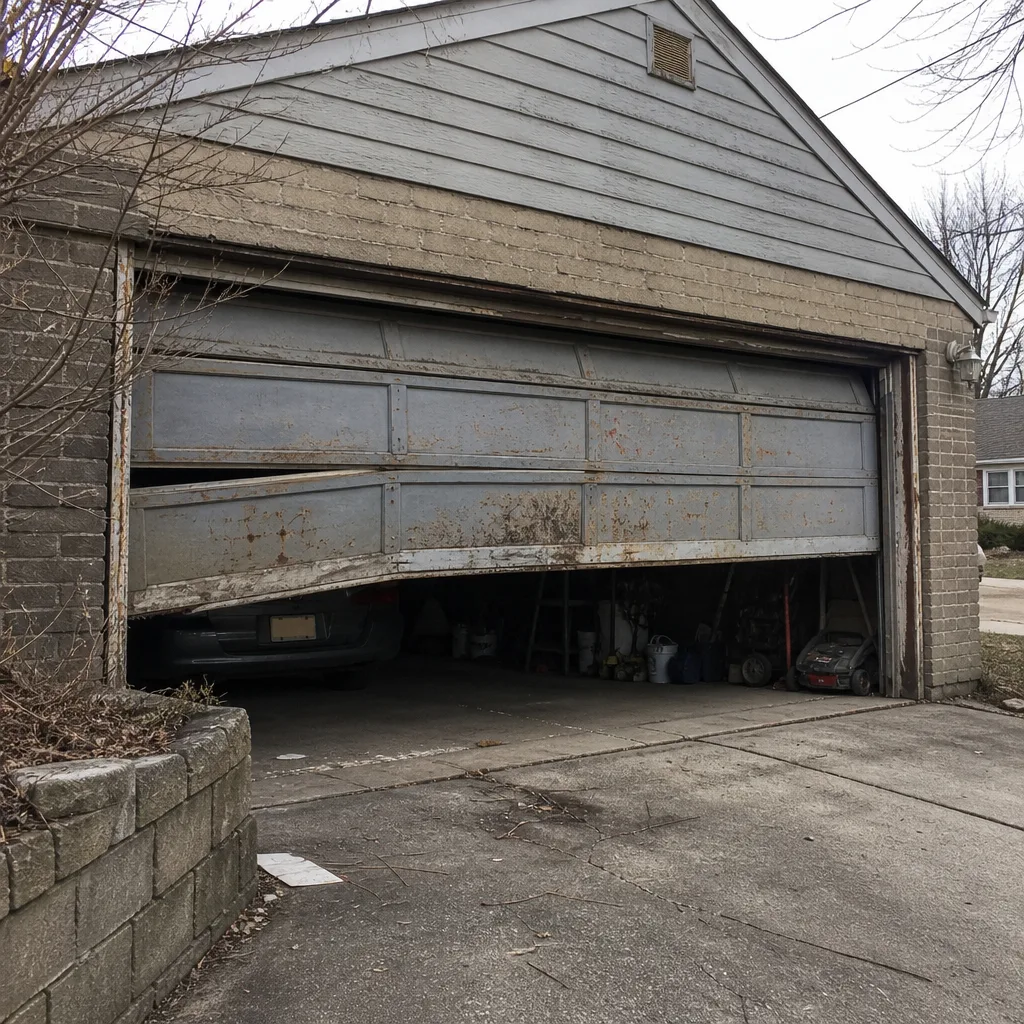 Before
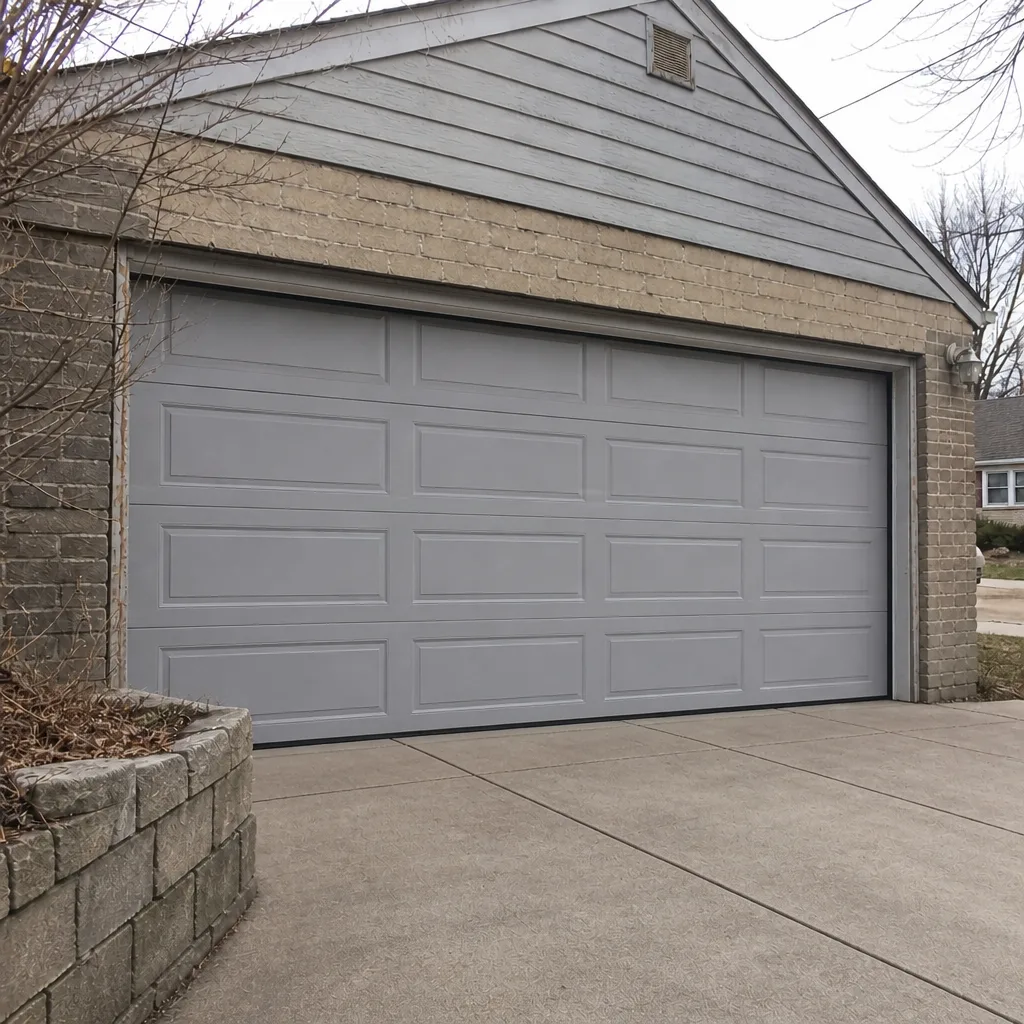 After
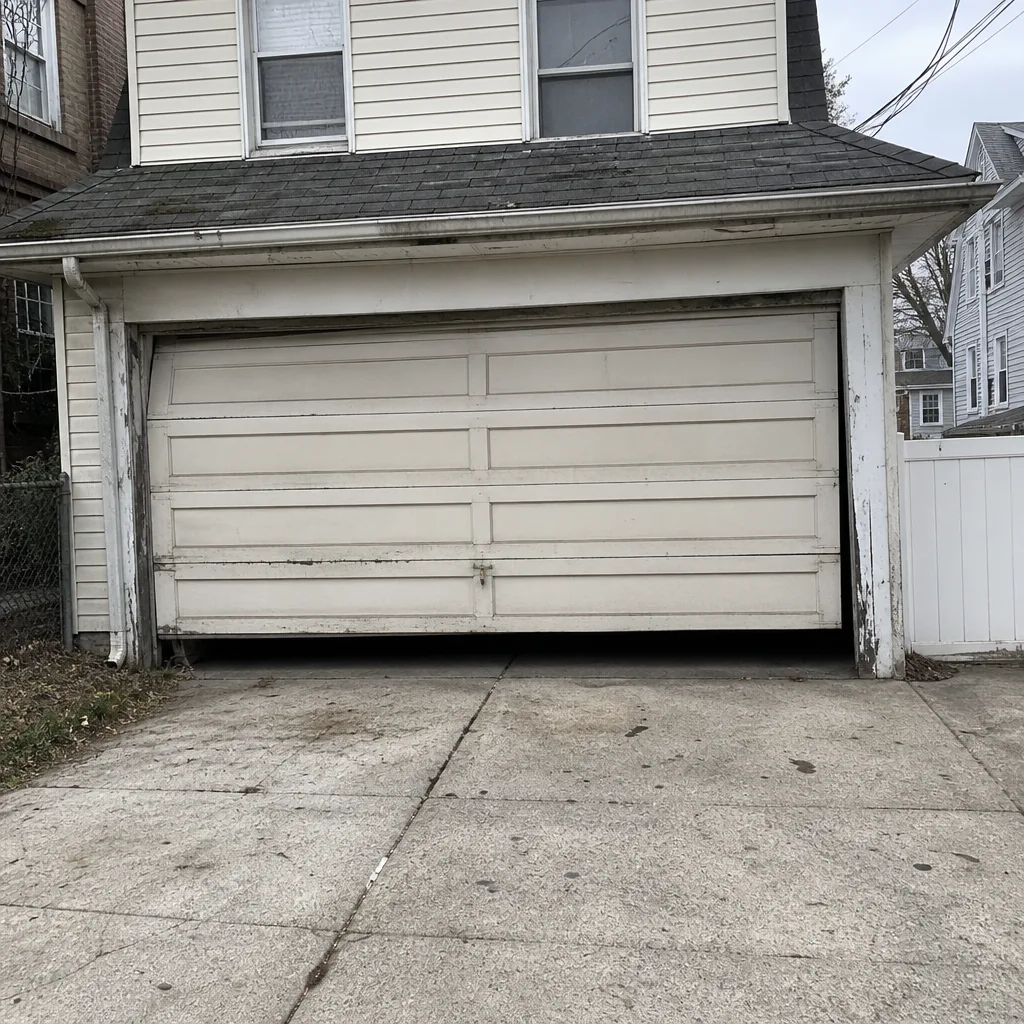 Before
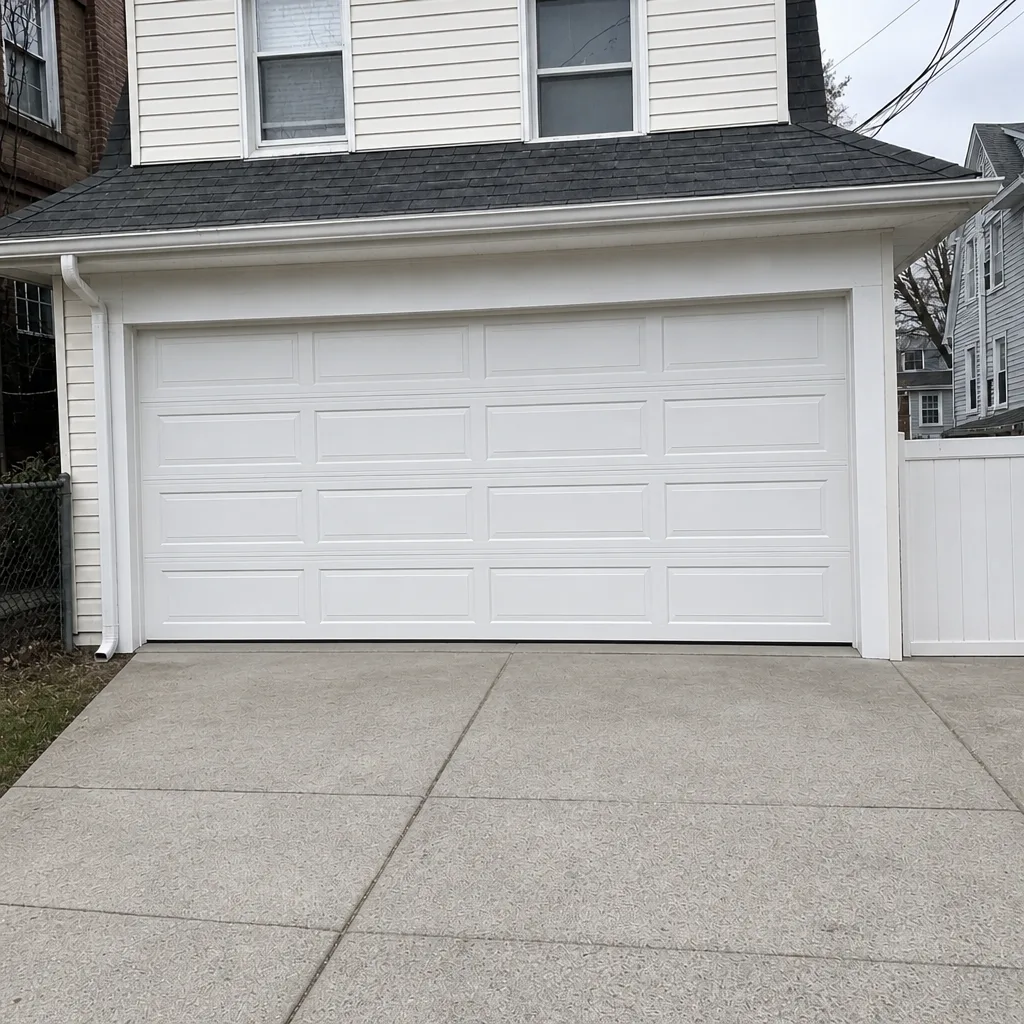 After
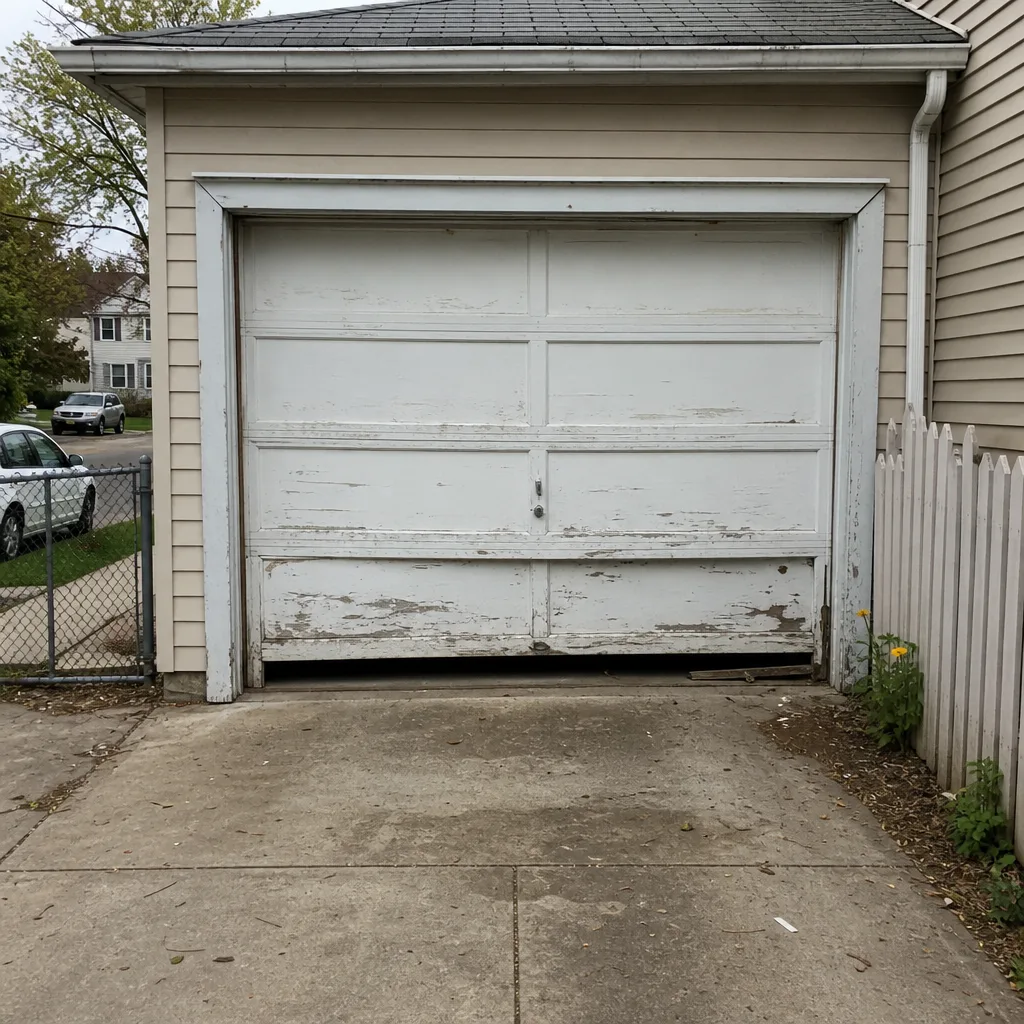 Before
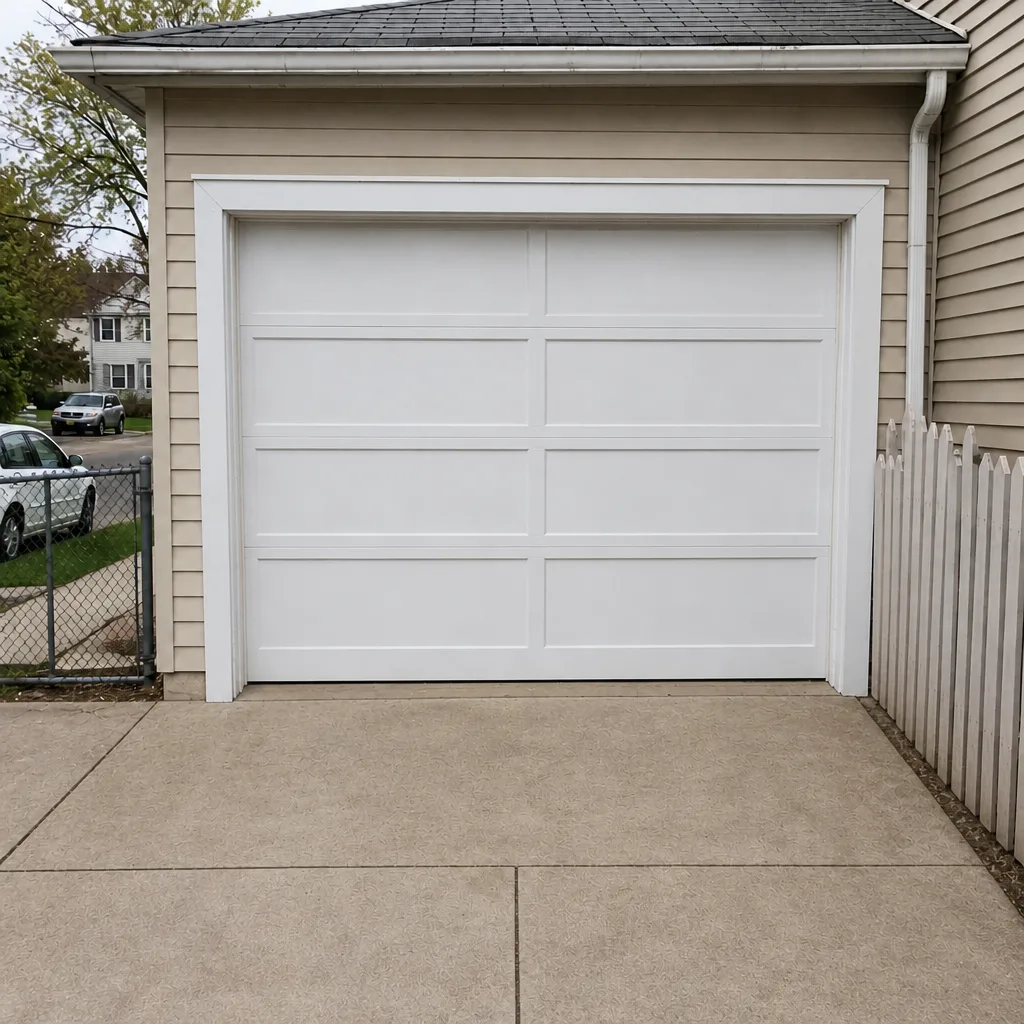 After