Last updated November 21, 2026
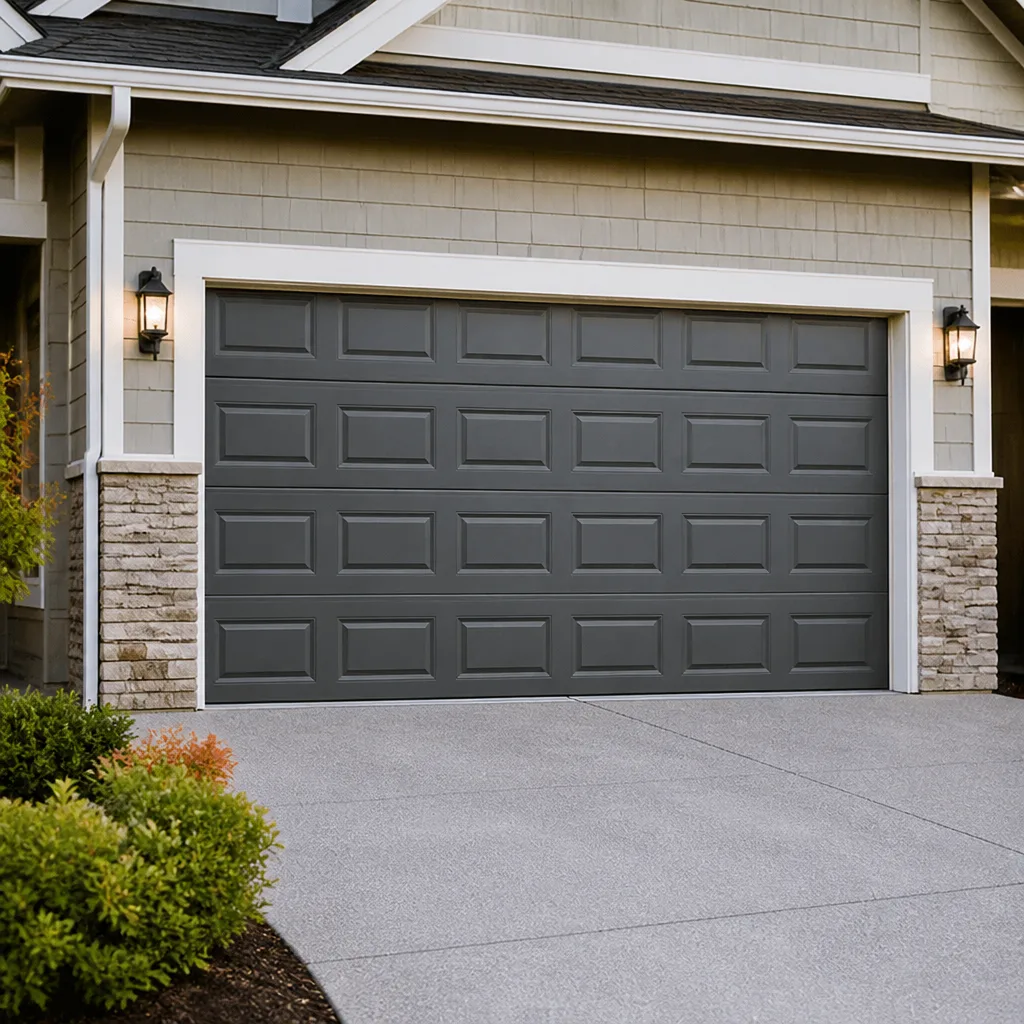 Raised-panel steel
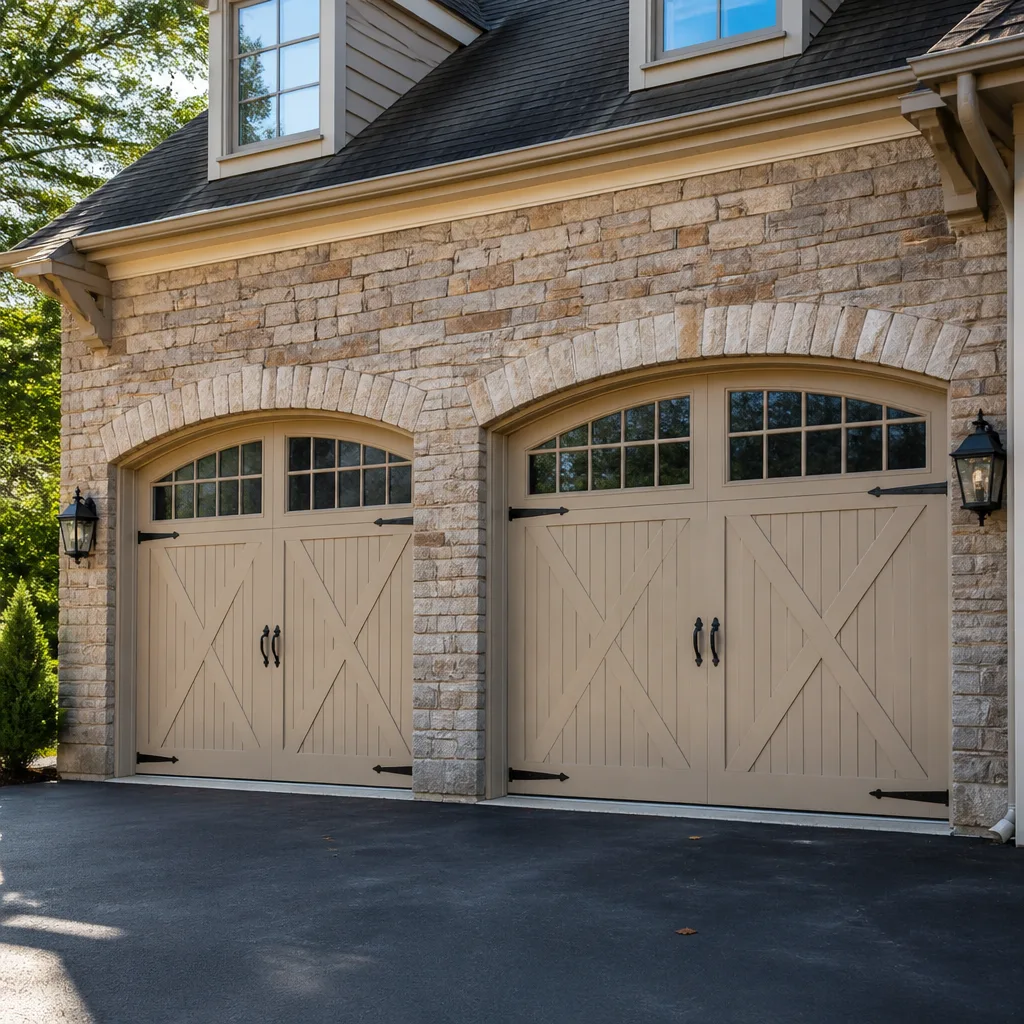 Carriage house
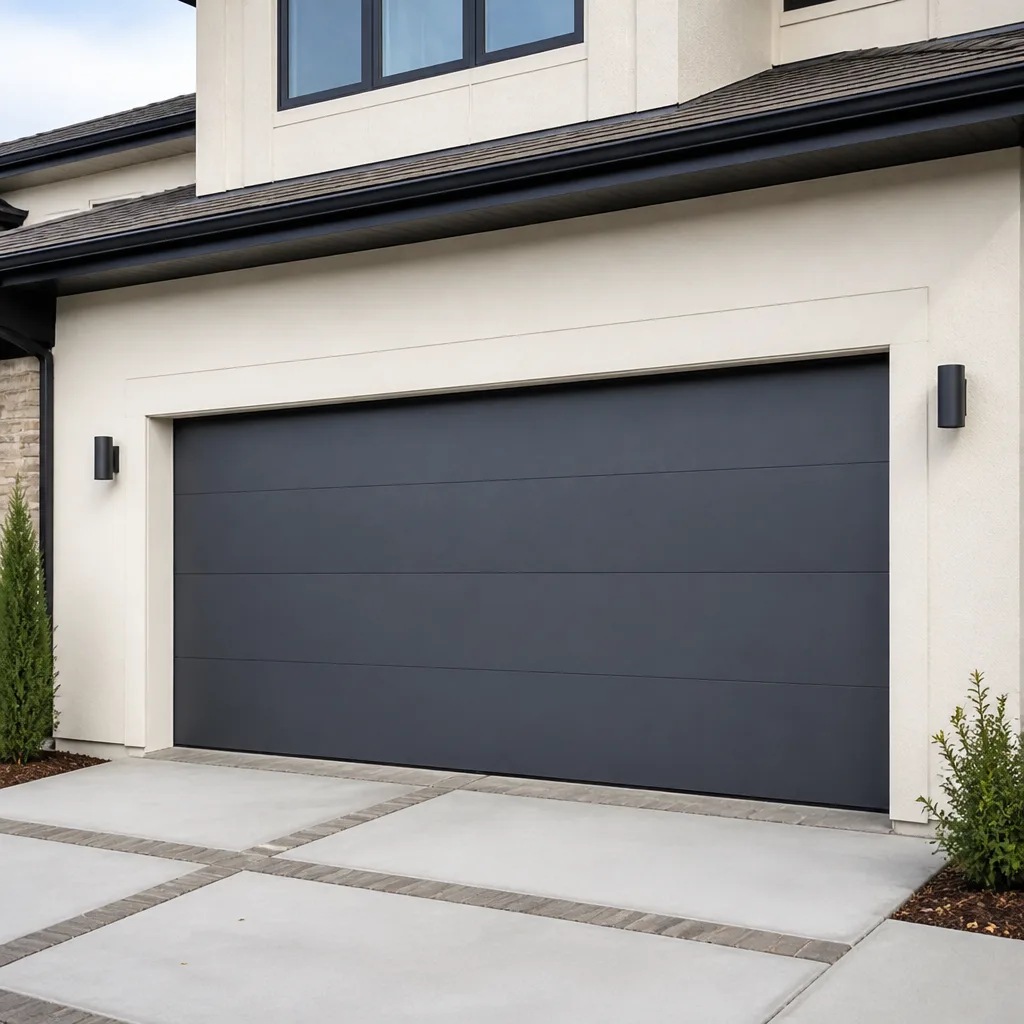 Modern flush
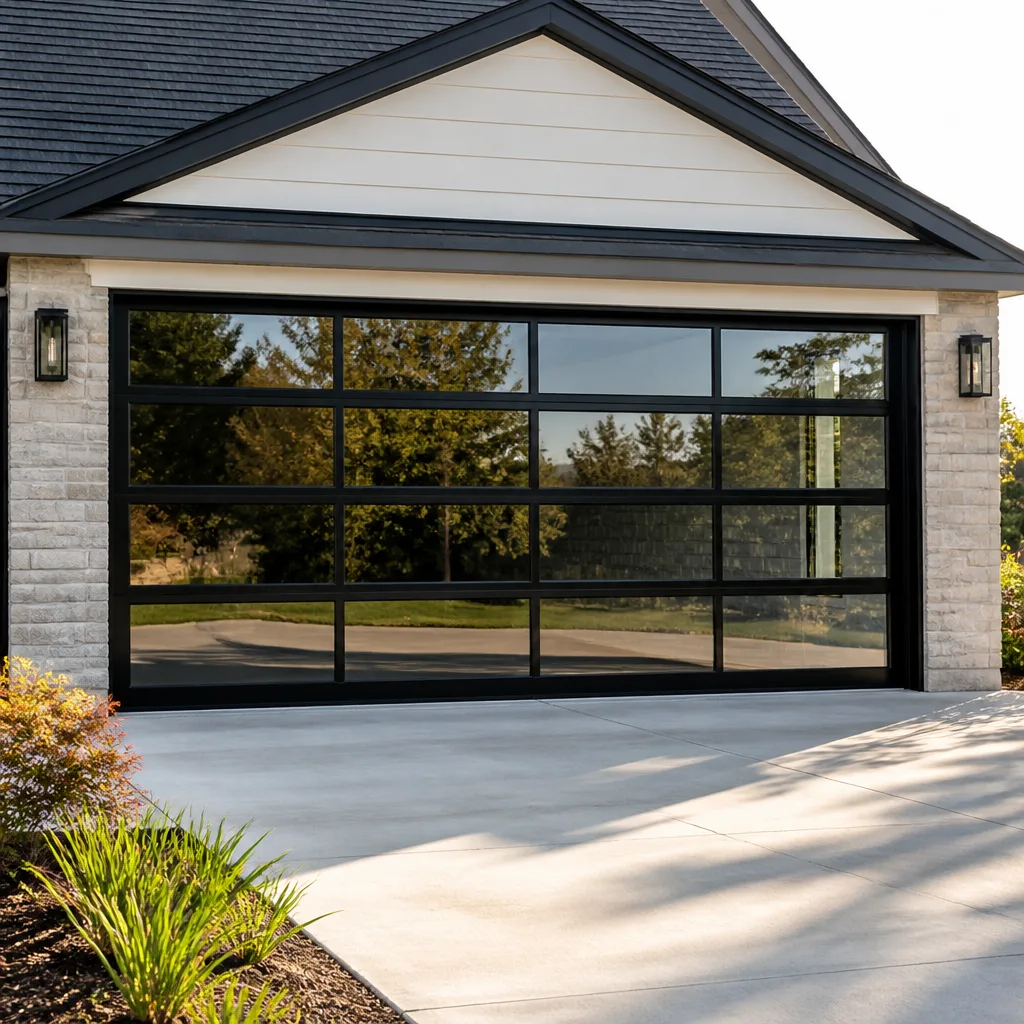 Full-view glass
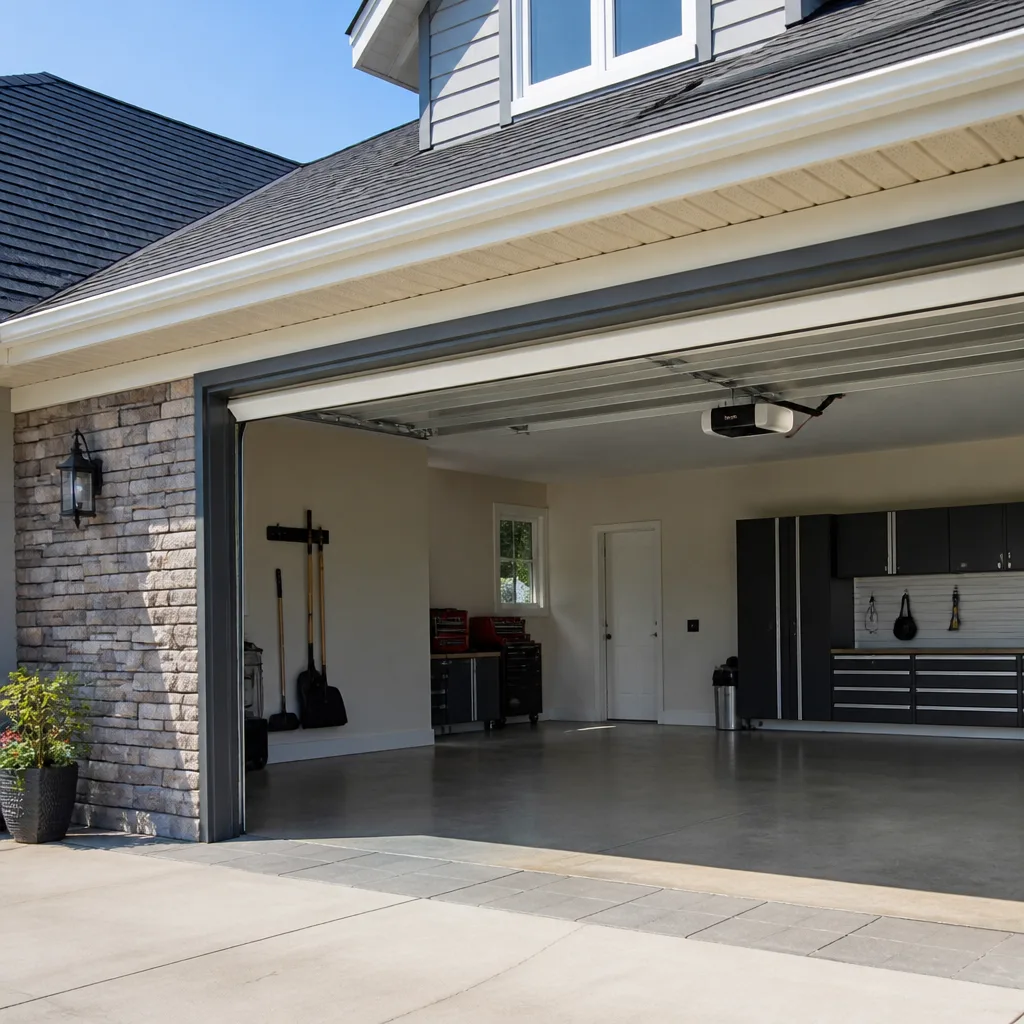 LiftMaster openers
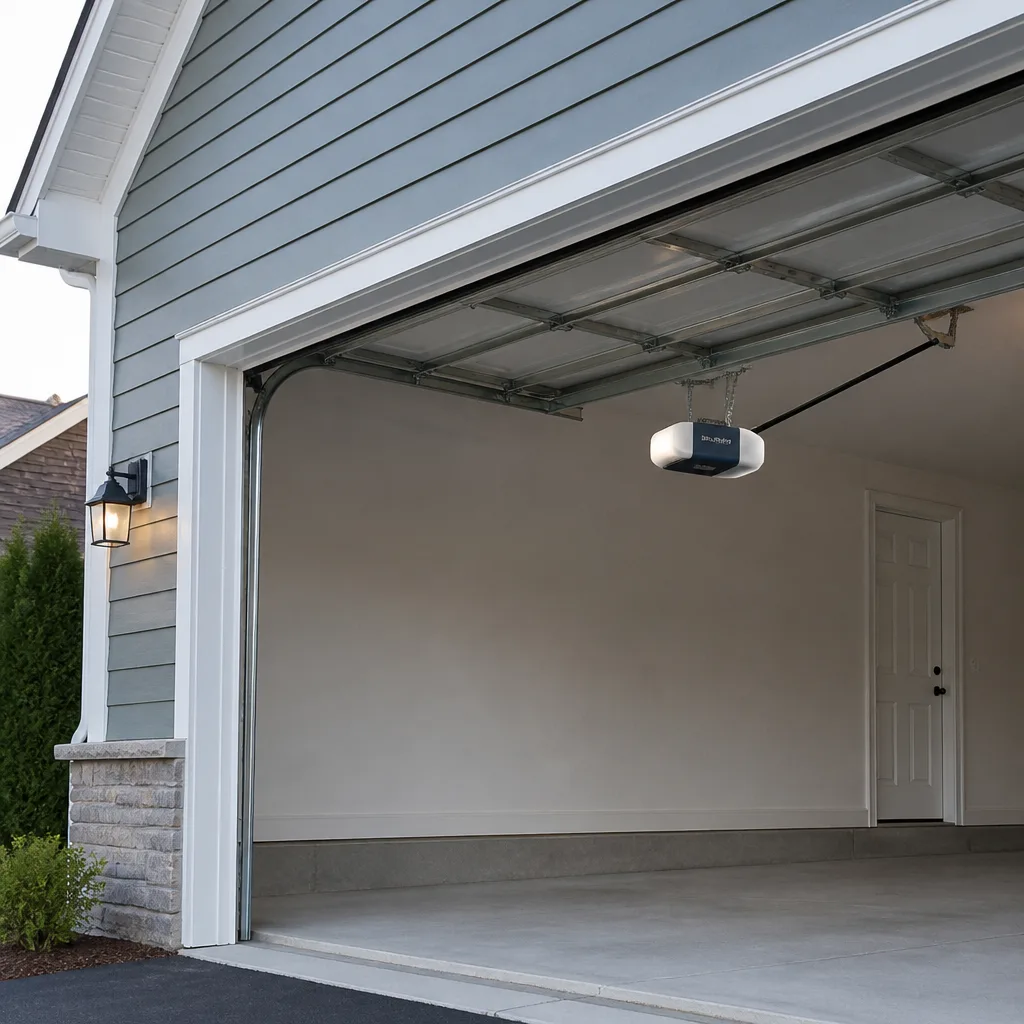 Chamberlain openers
Full 25-point door and opener safety check with every visit - springs, cables, rollers, tracks, and your LiftMaster or Chamberlain opener included
You get a price before we start. It does not change when the pro arrives.
Get your free estimateGarage Door Emergency Preparedness Guide for Hell’s Kitchen Homes
Most garage door advice assumes you have a driveway, a detached garage, and room to spread out while you sort out a problem. Hell’s Kitchen doesn’t work that way. Here, a garage door is often the gate between a tight alley and the street, the only vehicle access for a walk-up building, or the first barrier between a parking area and a public sidewalk. A failed door isn’t a minor hassle; it can strand a car, block a shared entry, or leave an opening anyone can walk through. This guide covers what to do before that happens: how to move your door by hand, how to secure it temporarily, what to have ready when you call, and how to tell a small problem from one that can’t wait. It’s written for Hell’s Kitchen homeowners and building managers who’d rather think this through now than at midnight.
Quick Answer
A garage door emergency in Hell’s Kitchen is usually a snapped spring, a broken cable, a dead opener, or a door stuck open or shut. If the door is safe to leave in place, secure it and call a specialist; if it’s jammed open at street level or a spring has failed, treat it as urgent and don’t run the opener. Have your door’s brand, size, and symptom ready before you call, and never attempt spring or cable work yourself – those parts are under extreme tension and can cause serious injury.
Styles & brands we work with
- Raised-panel steel
- Carriage house
- Modern flush
- Full-view glass
- LiftMaster openers
- Chamberlain openers
Table of Contents
- Why a Failed Garage Door Hits Harder in Hell’s Kitchen
- How to Manually Disengage and Operate Your Door Safely
- Temporary Security When Your Door Won’t Close
- What to Have Ready Before You Call for Emergency Repair
- Is It Safe to Leave Your Door in Place?
- Building a Three-Item Emergency Kit
- What Emergency Repairs Typically Cost
- Prevention: What to Check Before Something Breaks
Why a Failed Garage Door Hits Harder in Hell’s Kitchen
A garage door failure in the suburbs usually means parking in the driveway until the weekend. In Hell’s Kitchen, the garage is often the only place to put a car, and the door itself is part of the building’s perimeter. That changes the stakes in a few specific ways.
- Vehicle access is a work problem. If you commute by car or use it for a job, a stuck door can turn a routine morning into a scramble for alternate parking and a missed start. That’s true whether you’re off Tenth Avenue or tucked into a side street near the Port Authority.
- Shared access. In buildings where several residents share a garage or a rear alley, one jammed door blocks access for everyone behind it. A failure that would affect one household elsewhere affects several here.
- Security exposure. A door that won’t close, or one stuck open facing a sidewalk or alley, is an open invitation. Overnight is when this matters most, and in a dense neighborhood with foot traffic at all hours, a visibly open bay draws attention.
- Space is tight. There’s no room to work around a door that’s halfway down with a bent track. You can’t always prop it, block it, or wait it out safely the way a homeowner with a wide driveway could.
That’s why preparedness matters more here than a general safety checklist would suggest. The right question isn’t “how do I fix this myself” – it’s “what do I do in the next ten minutes so the situation doesn’t get worse.” A little planning now, and one call when it counts, covers the rest.
How to Manually Disengage and Operate Your Door Safely
When the power’s out or your opener has failed, most automatic doors have a manual release so you can operate them by hand. The catch: doing it wrong can let the door drop hard or pull the mechanism out of alignment. Know the process before you need it.
On most residential openers – LiftMaster, Chamberlain, Genie, and their close cousins – the release is a pull cord or handle hanging from the trolley that rides along the rail. Here’s the sequence to follow:
- Check the door’s position first. Only pull the release when the door is fully down. Never disengage it while the door is open or partway up – it can come crashing down.
- Stand clear and pull firmly. Pull the release cord once, cleanly, so the trolley detaches from the carriage. Don’t yank repeatedly.
- Lift with one hand on the door’s bottom edge. Lift slowly. A door with a broken spring will feel extremely heavy and may not stay up – if it won’t hold, don’t force it. That’s a sign of spring failure that needs a professional.
- Re-engage only when the door is fully closed and the opener carriage is in line with the trolley. Push it back unless the door is down.
Two safety notes. The springs and cables that do the lifting are under heavy tension – if you see a broken spring or a frayed, kinked cable, stop and leave the door alone. And never open the door by hand and leave it halfway; without the opener holding it, an unsupported door can close on its own. If the door won’t stay up, keep it closed and call. Our team handles garage door opener repair across all the major brands, so the release-and-reset is familiar work.
Temporary Security When Your Door Won’t Close
A door that won’t close overnight is a security matter, not just a repair. In Hell’s Kitchen, where street-level and alley-facing garages are exposed to foot traffic at all hours, securing the opening until a specialist arrives is the priority. Here’s how to do it responsibly.
- Lower the door as far as it will go by hand and stop where it binds. Even a partly lowered door reduces access and visibility.
- Use a slide lock or locking bar if your door has one. Many sectional doors have manual lock bars you can engage to hold the door closed from the inside.
- Block the bottom from the inside with something solid and heavy if you can’t fully close it. Don’t wedge anything at the top or in the track.
- Never prop a door open deliberately just to get access to a car. Move the car another way or wait – an open bay invites trouble.
- For street-level openings, put a light on the bay and let a neighbor or building staff know the door isn’t secure. A visible sign of someone needing help is a deterrent.
What you’re doing is bridging the gap: making the opening less inviting until the door is repair-ready. Don’t force a door into a track that’s bent or a hinge that’s hanging – you’ll make the repair harder and can damage panels. If the door is jammed open and there’s no way to secure it, that’s the moment to call and describe the exposure. It’s a case our emergency service is built for.
What to Have Ready Before You Call for Emergency Repair
The fastest way to get an emergency door fixed is to arrive at the call prepared. A specialist who already knows what’s wrong and what they’re working on can bring the right parts and skip the diagnosis time. Before you dial, jot down or have ready:
- The door’s brand and type. A Clopay sectional and a Wayne Dalton model behave differently; brand narrows the parts. If you don’t know, a photo of the label or the door face helps.
- The door’s size (width and height) and whether it’s a single or double span.
- Exactly what failed and when: a snapped spring, a noise then a stop, a door that won’t respond to the remote, a bent track, a door off its rollers.
- Whether the door is open, closed, or stuck partway, and whether it can be secured.
- Your address and access details for a Hell’s Kitchen alley or street-level bay – how the technician gets in, where to park, whether there’s a loading zone or a tight turn into the bay.
- Whether power is on or the opener is dead, and whether the manual release is working.
That five-minute prep is the difference between a call that keeps the door moving and one that means a return trip. When you have a broken spring or a door that’s hanging, this is exactly the information that lets us get the right person to you with the right parts. You can call and talk it through with our team – we work across LiftMaster, Chamberlain, Genie, Clopay, and the other major brands, so there’s no “we don’t service that” call to make next.
Is It Safe to Leave Your Door in Place?
Not every failed door needs an emergency visit – some can wait safely, and knowing which is which saves you urgency you don’t need. Here’s the on-the-spot test we’d walk you through.
Usually safe to leave until a scheduled visit:
- The opener is dead but the door is fully closed, latched, and secure.
- A remote or wall button stopped responding but the door closes by hand.
- A cosmetic ding, a loose hinge, or a noisy roller with the door operating normally.
- A door that’s closed and secured, with a single spring broken but the door held in place by the opener and locked.
Treat as an emergency:
- A spring has snapped and the door is stuck open or won’t stay up.
- A cable is broken, frayed, or hanging, or the door is off its track – that door is unstable.
- The door is jammed open at street or alley level and can’t be secured.
- The door has come down on something or someone, or a panel is bent and the door wobbles.
When in doubt, err toward calling. A door stuck halfway is the worst of both worlds – closed enough to be in the way, open enough to be a security gap. A trained technician can tell you over the phone whether it’s safe to leave or needs attention now. If it’s a real emergency, that’s a call worth making to Garage Door Repair Hell’s Kitchen.
Building a Three-Item Emergency Kit
You don’t need a full workshop to handle a garage door problem until help arrives. Three items bridge the gap between the failure and the repair, and they fit in a small cabinet or shelf near the garage.
- A flashlight and spare batteries. When the power is out, the manual release process and the door’s hardware are nearly impossible to find and work with in the dark. Keep the light where you can reach it without the door moving.
- A manual locking bar or slide lock on the door, plus a heavy-duty padlock. Many sectional doors have a lock bar; a padlock on the track or a locking bar holds the door closed when the opener can’t. This is your security bridge for a door that won’t close. Make sure the bar is actually attached and functioning before you need it.
- A written card with your door’s brand, size, and the number to call. When the door fails, adrenaline and the dark make it hard to remember details. A single card with the door specs and a repair number means you can call quickly and give clear information.
Add a broom handle or a length of dowel to check the door’s bottom seal and a phone charger, and you’ve covered the essentials. The point isn’t to fix anything yourself. It’s to secure the opening, see what you’re doing, and give the specialist the details that speed up the visit. If your opener is the failure, that card is what turns a frustrated call into a scheduled repair – our garage door opener repair covers that, and the card should list your opener brand too: LiftMaster, Chamberlain, Genie, and Craftsman are the most common in this neighborhood’s older buildings.
What Emergency Repairs Typically Cost
Emergency garage door repairs in Hell’s Kitchen generally run in the ranges below. These are typical estimates for the work, and the written quote you get sets the final price before any work starts – so you’ll know the number going in. One note: spring prices are for one spring; matched pairs are often replaced together, so a pair is about twice the single-spring figure.
| Repair | Typical estimate (per job) | Notes |
|---|---|---|
| Broken spring (single) | Low four figures | Safety-critical; pairs usually priced as two springs |
| Broken or frayed cable | Mid three figures | Door is unstable until fixed; don’t operate |
| Opener repair or replacement | Low to mid four figures | Brand-dependent; remote and sensor issues can be less |
| Bent track or roller/off-track door | Mid three figures | Assessed on site; panel damage may add cost |
| Panel replacement | Low four figures | Matched to your door’s model and color |
Prices vary with door type, brand, and what’s actually wrong, so treat the table as a planning guide, not a guarantee. Ask for the estimate in writing, and confirm the price is agreed before work begins. If the opener itself has failed and the door is otherwise sound, that’s separate from a full garage door installation discussion – and no, a dead opener doesn’t mean a new door. Call for an exact quote; estimates are free.
Prevention: What to Check Before Something Breaks
The best emergency is the one that never happens. A few minutes of inspection a few times a year catches the wear that leads to a snapped spring or a dropped door long before it fails. All of this is looking, not disassembling.
- Listen. A door that’s grown louder – grinding, squealing, or a snap you can’t place – is telling you a spring, roller, or hinge is worn.
- Watch the balance test. With the door closed and the opener disengaged, lift the door by hand to about waist height. It should hold. If it drops or won’t stay, the spring is fatigued.
- Check the safety sensors. The photo-eye sensors near the floor should have a clean, clear line and a steady light. A misaligned sensor is a common cause of a door that won’t close in the cold.
- Look at the springs and cables – from a distance. Any visible gap in a spring coil, rust, or a frayed cable means it’s time for a professional inspection.
- Keep the tracks clear and clean. In a tight Hell’s Kitchen bay, debris and grit in the track cause binding; a quick wipe helps.
- Schedule spring inspection before the wear shows. A spring that’s near the end of its travel often gives a small warning before it snaps – a technician can catch it.
Anything involving springs or cables gets left alone. Those are the parts that hurt people when handled casually, and a specialist with the right tools and training can replace them safely. Our technicians have up to 9 years of experience across the major brands, and our garage door repair work is built for exactly this kind of check-before-it-breaks visit.
Common Mistakes to Avoid
- Pulling the manual release while the door is up. That lets the door drop. Only disengage when it’s fully closed.
- Leaving a door stuck open overnight to “deal with it later.” In Hell’s Kitchen, a street-level opening overnight is a security problem. Secure it or call.
- Trying to fix a spring or cable yourself. These parts are under extreme tension. The risk of serious injury is real, and a wrong move can damage the door further.
- Forcing a bent door back into the track. It’s more likely to come off or drop. Stop and leave it.
- Running the opener on a broken spring. It will strain the motor and can let the door down hard.
- Calling without details. Without brand, size, and symptom, the technician can’t bring the right parts, and a second trip costs you time.
- Not getting the price in writing first. Agree on the estimate before work starts so there’s no surprise on the bill.
See the difference
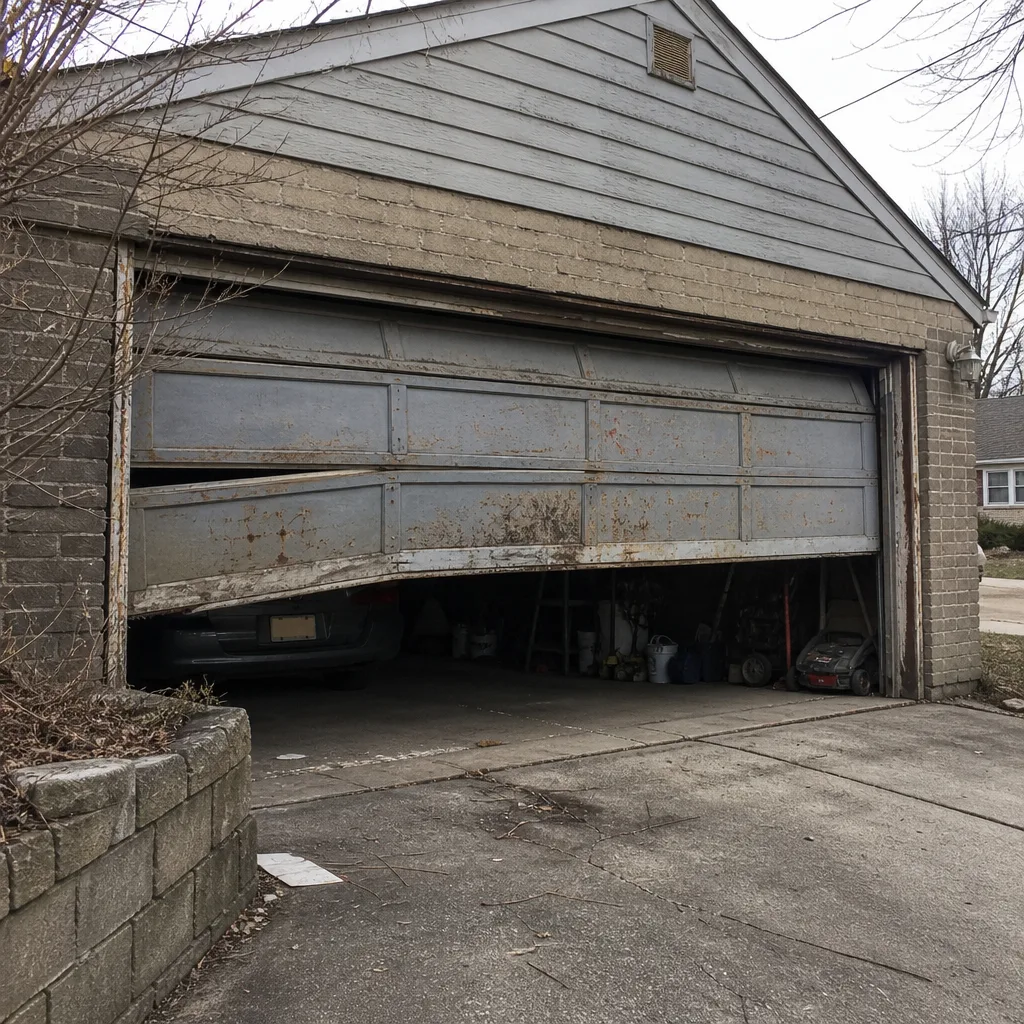 Before
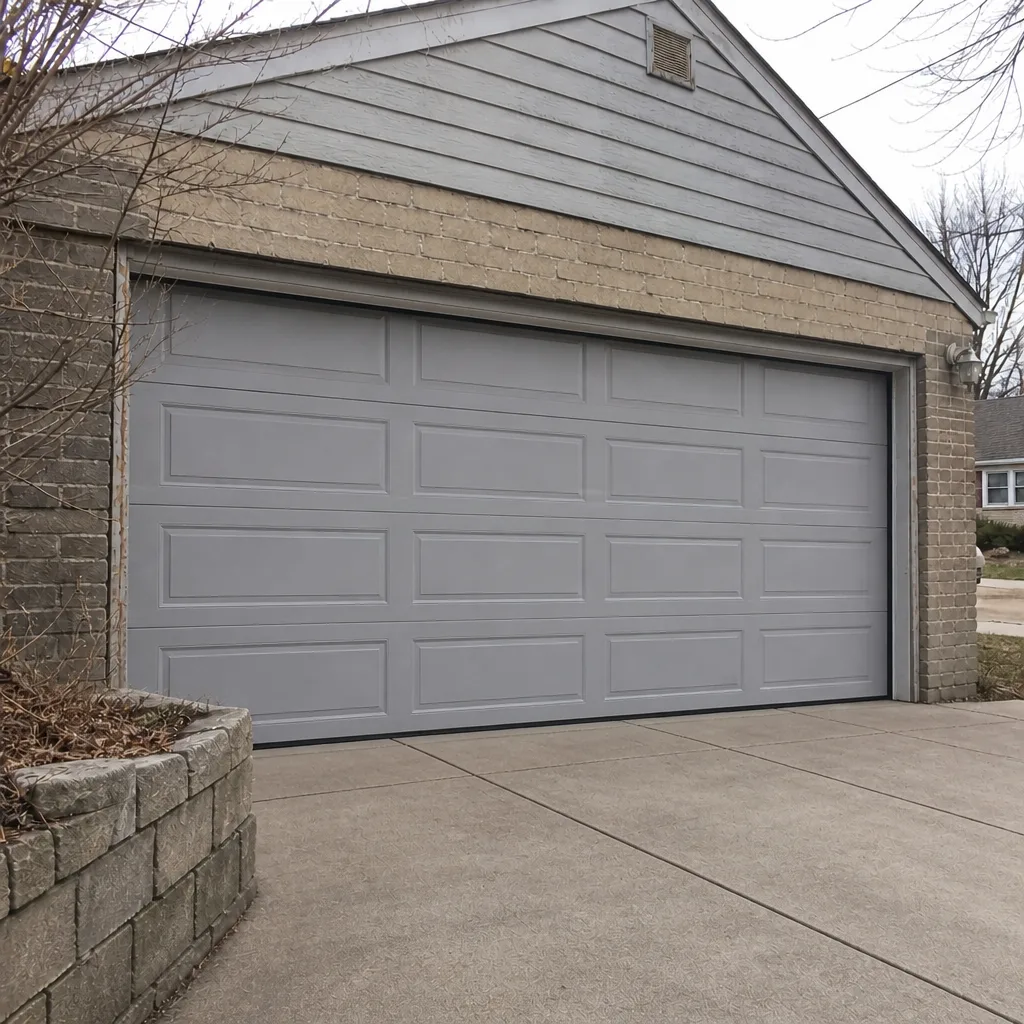 After
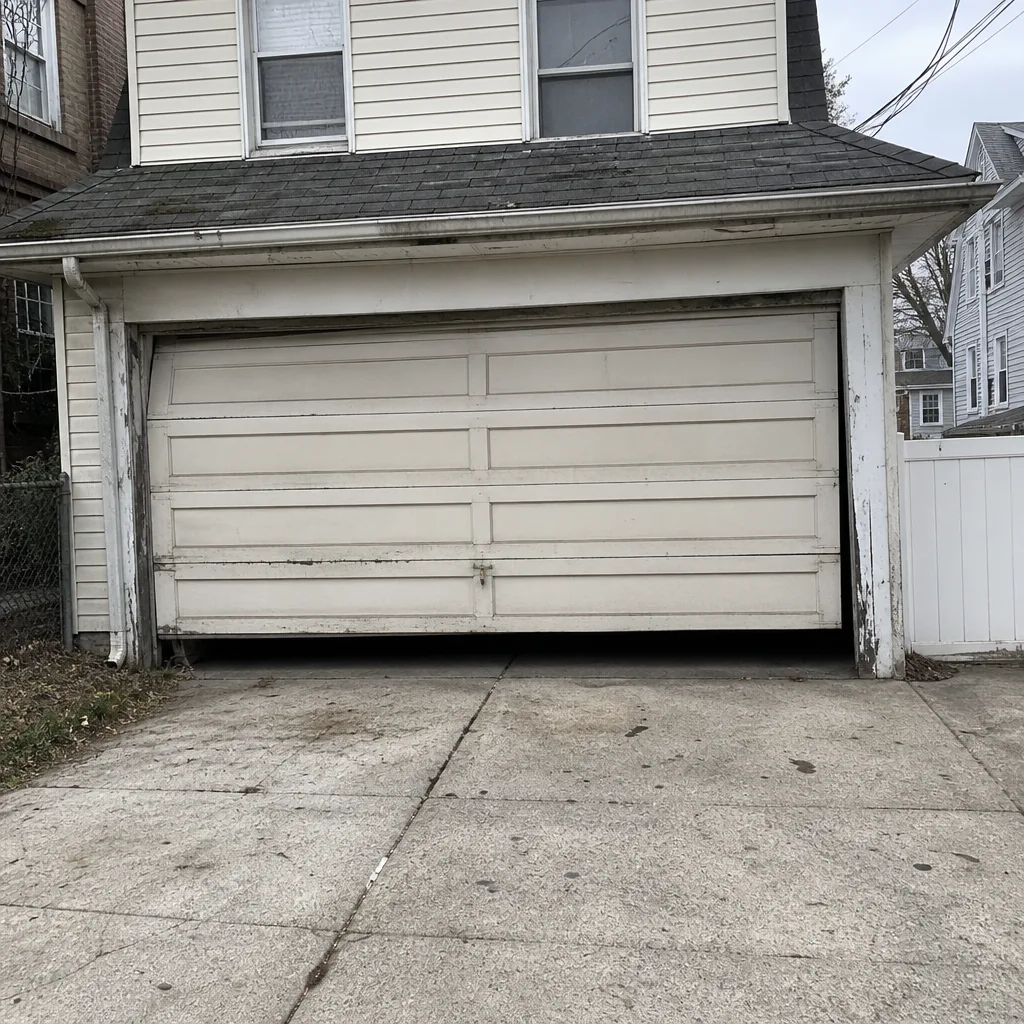 Before
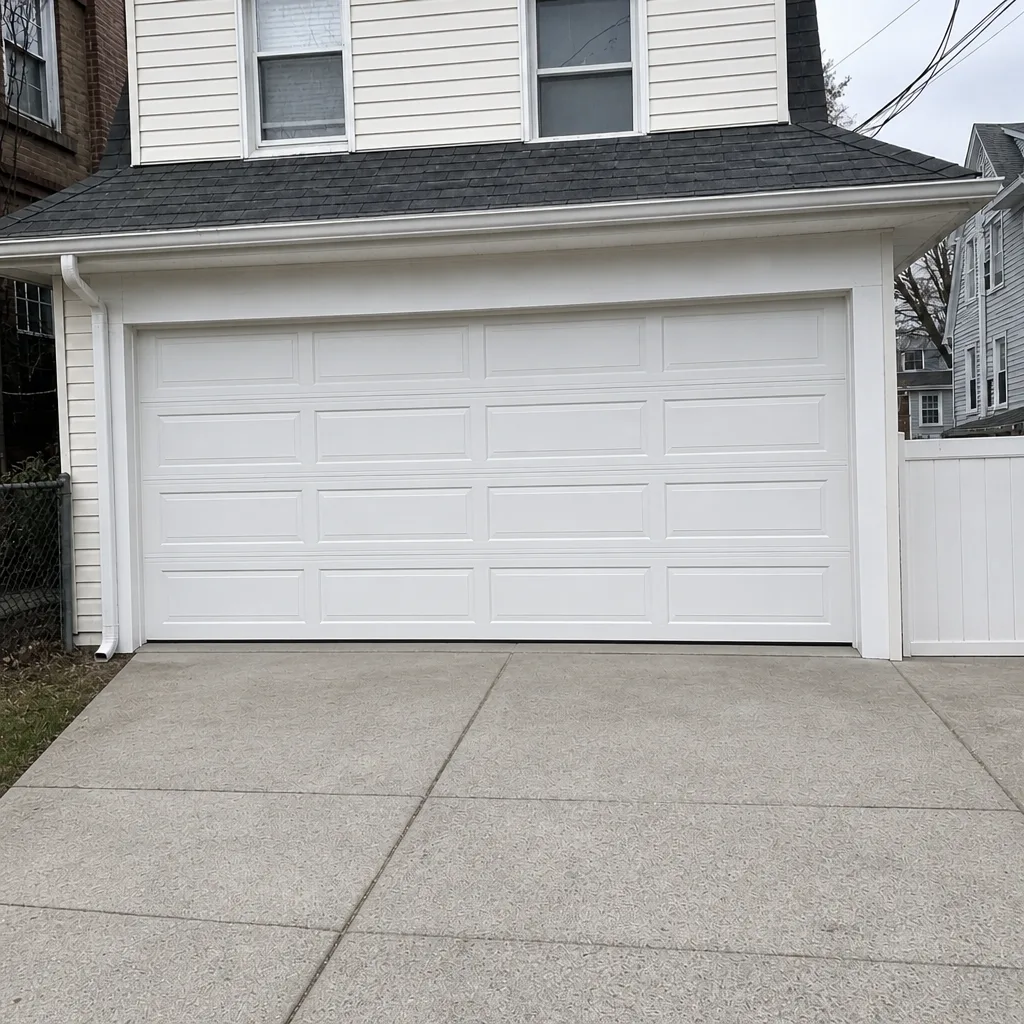 After
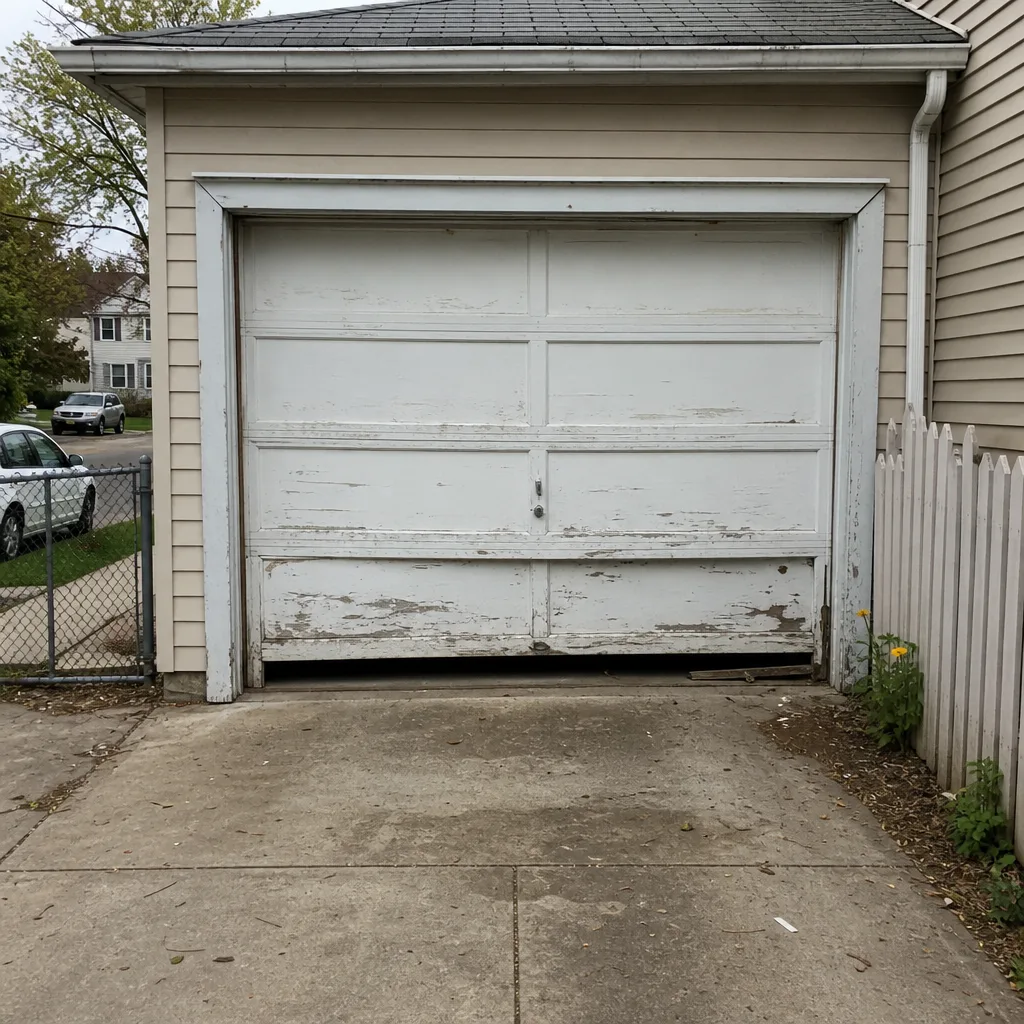 Before
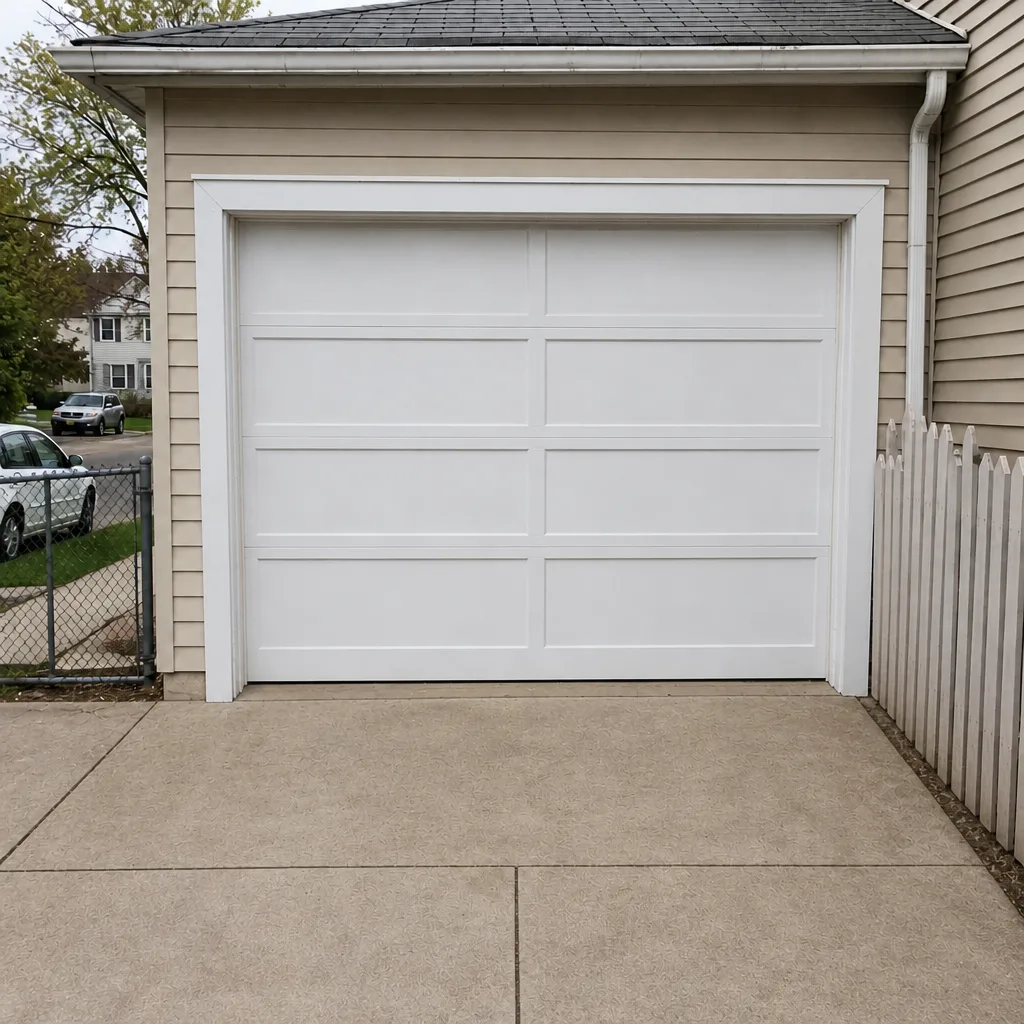 After
When to Call a Professional
Call now when the door is jammed open at street or alley level, when a spring has visibly snapped, when a cable is broken or hanging, or when the door has come off its track or dropped onto something. Those are the failures where a door is unstable or an opening is exposed, and waiting turns a repair into a security problem. Call for a scheduled visit when the opener has died but the door is closed and secured, when a roller is noisy, or when a single hinge is loose. If you’re unsure which category you’re in, describe the door over the phone and we can tell you whether it’s safe to leave until a scheduled time. Garage Door Repair Hell’s Kitchen offers free estimates in Hell’s Kitchen – call (877) 801-5288. We cover repair, opened and closed, at any hour the situation makes it urgent, and we work on all the major brands.
Frequently Asked Questions
Yes – most openers have a manual release cord or handle on the trolley. Pull it only when the door is fully closed, then lift slowly, one hand on the bottom edge. If the door won’t hold itself up, the springs need professional attention; don’t force it.
Call (877) 801-5288 if the door won’t stay up after release, and we’ll talk you through the next step.
Lower the door as far as it will go by hand, engage any slide lock or locking bar, and add a heavy padlock or locking bar if your door has one. Keep a light on the bay if it’s street-facing. That’ll hold the opening secure until a specialist arrives; call (877) 801-5288 for a free estimate.
Have your door’s brand and size, what exactly failed, whether the door is open, closed, or stuck partway, and your access and parking details for the alley or bay. That information gets the right parts moving on the first call. Call (877) 801-5288 with those details.
It depends on the failure. A door stuck open or exposed, a snapped spring, a hanging cable, or a door off its track needs immediate attention. A dead opener with a closed, secured door can often wait for a scheduled visit. When in doubt, call and we’ll help you judge it.
No. Springs and cables are under extreme tension, and attempting the repair yourself can cause serious injury and further damage. A trained specialist with the right tools handles this safely. Call (877) 801-5288 to schedule spring replacement.
Yes. We’ll give you an estimate you agree to in writing before any work starts, so the price holds. Call (877) 801-5288 for a free estimate.
The Bottom Line
Preparedness is the whole game with a garage door in Hell’s Kitchen. Know where your manual release is and how it works. Keep a flashlight, a locking bar or padlock, and a card with your door’s brand and size near the garage. When a door fails, secure the opening, decide whether it’s truly unsafe, and call prepared with the details that speed up the visit. And leave springs and cables to a specialist – that’s where the danger lives. If you’re facing a broken door now, or you’d like a free check before one fails, call Garage Door Repair Hell’s Kitchen at (877) 801-5288. Estimates are free, the price is agreed before work begins, and we work on all the major brands.
Written by the team at Garage Door Repair Hell’s Kitchen.