Last updated November 21, 2026
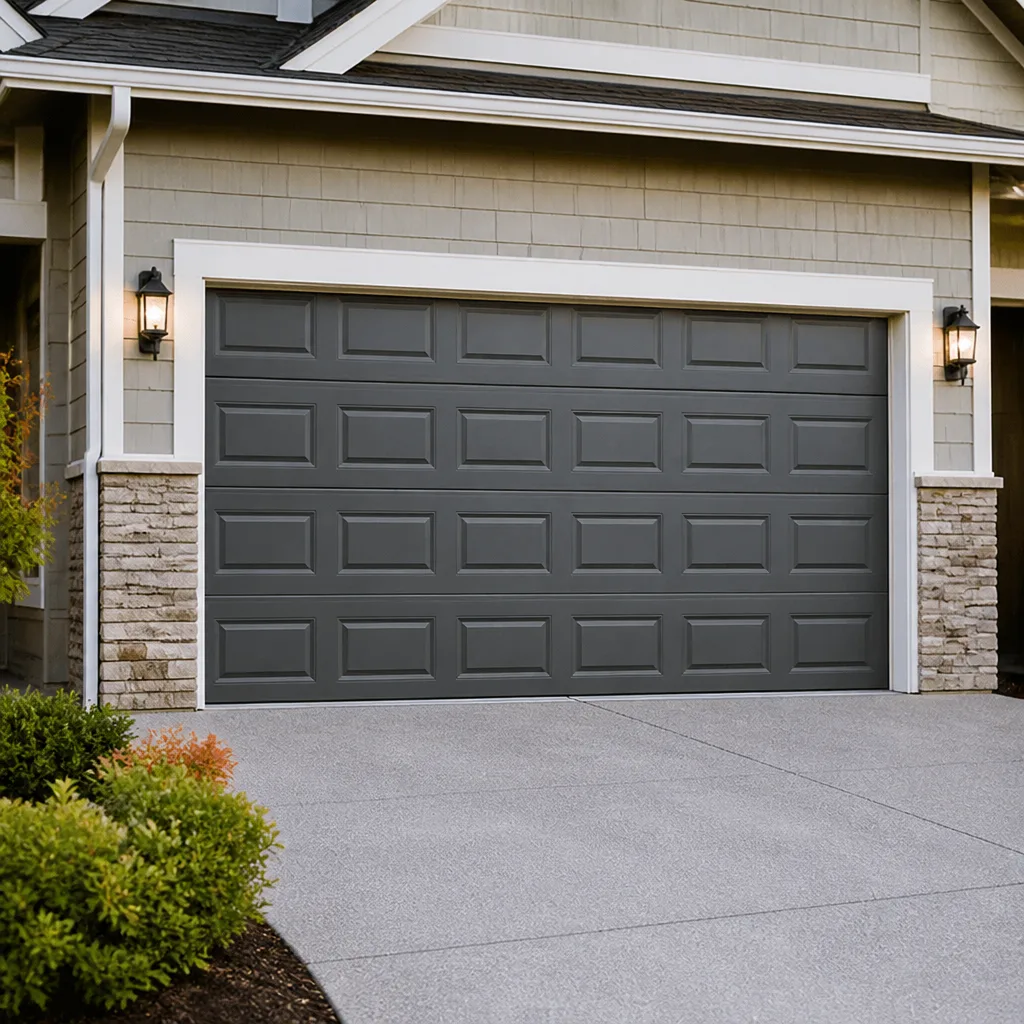 Raised-panel steel
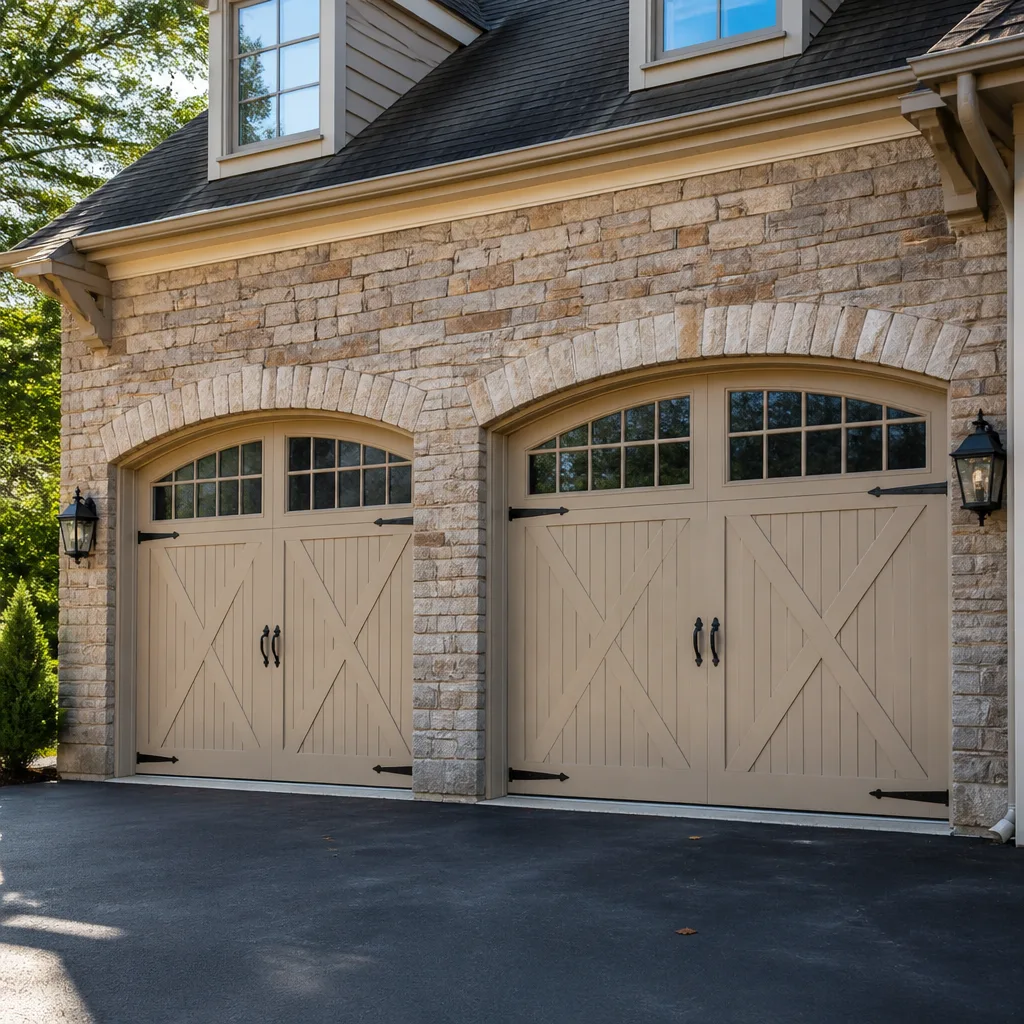 Carriage house
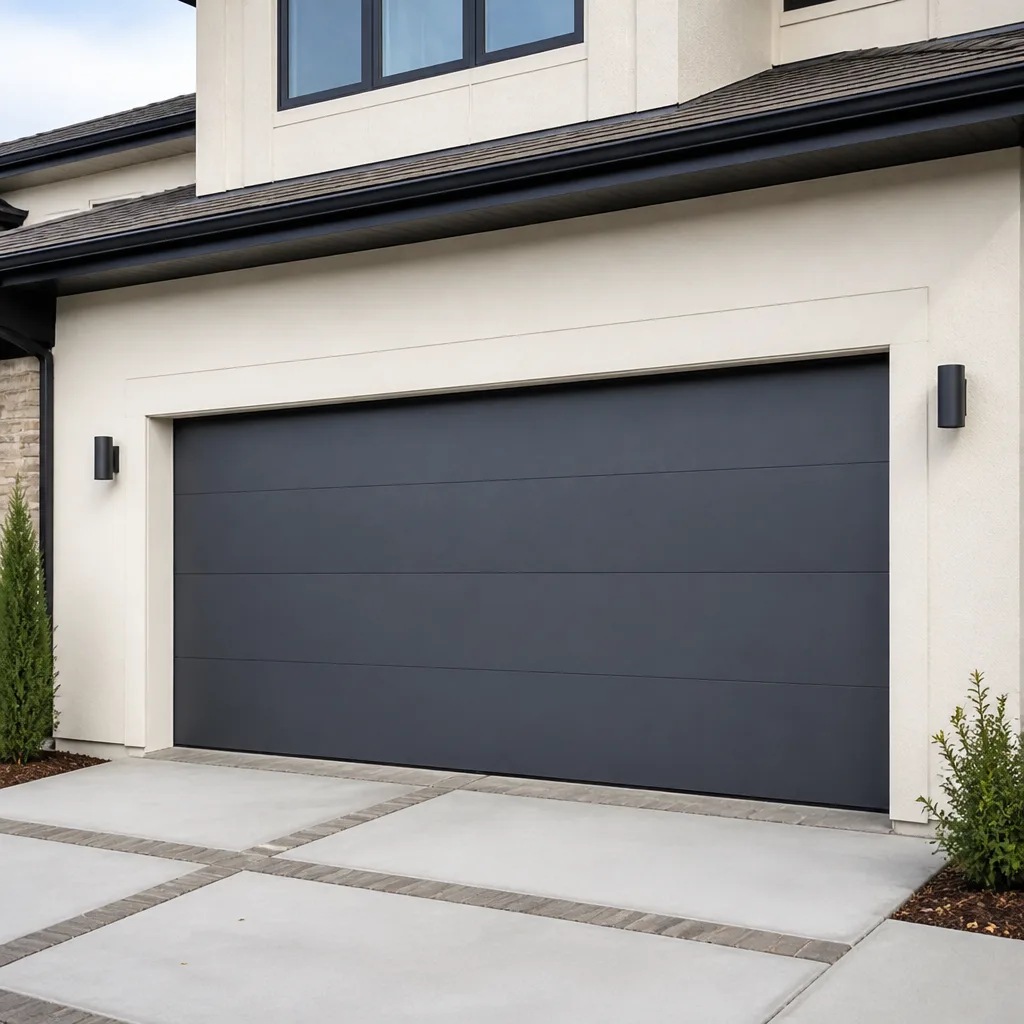 Modern flush
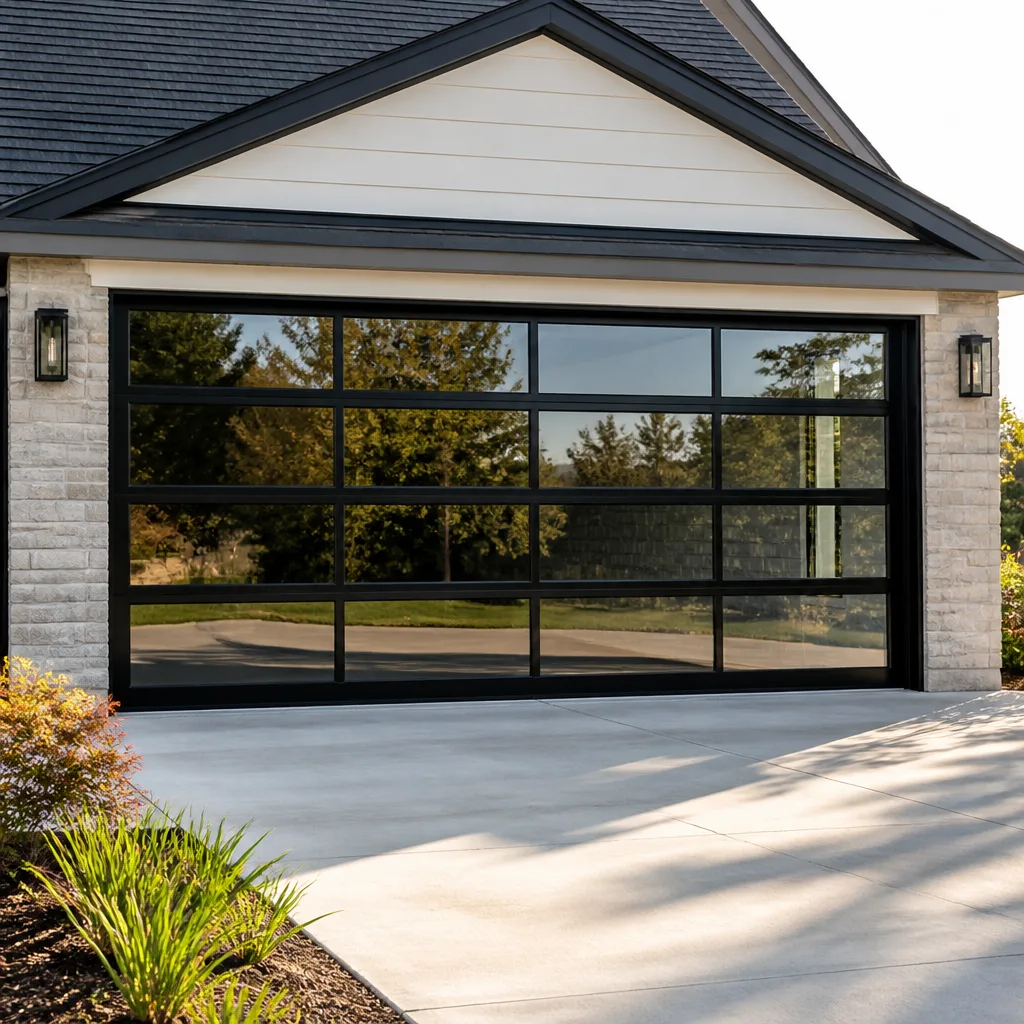 Full-view glass
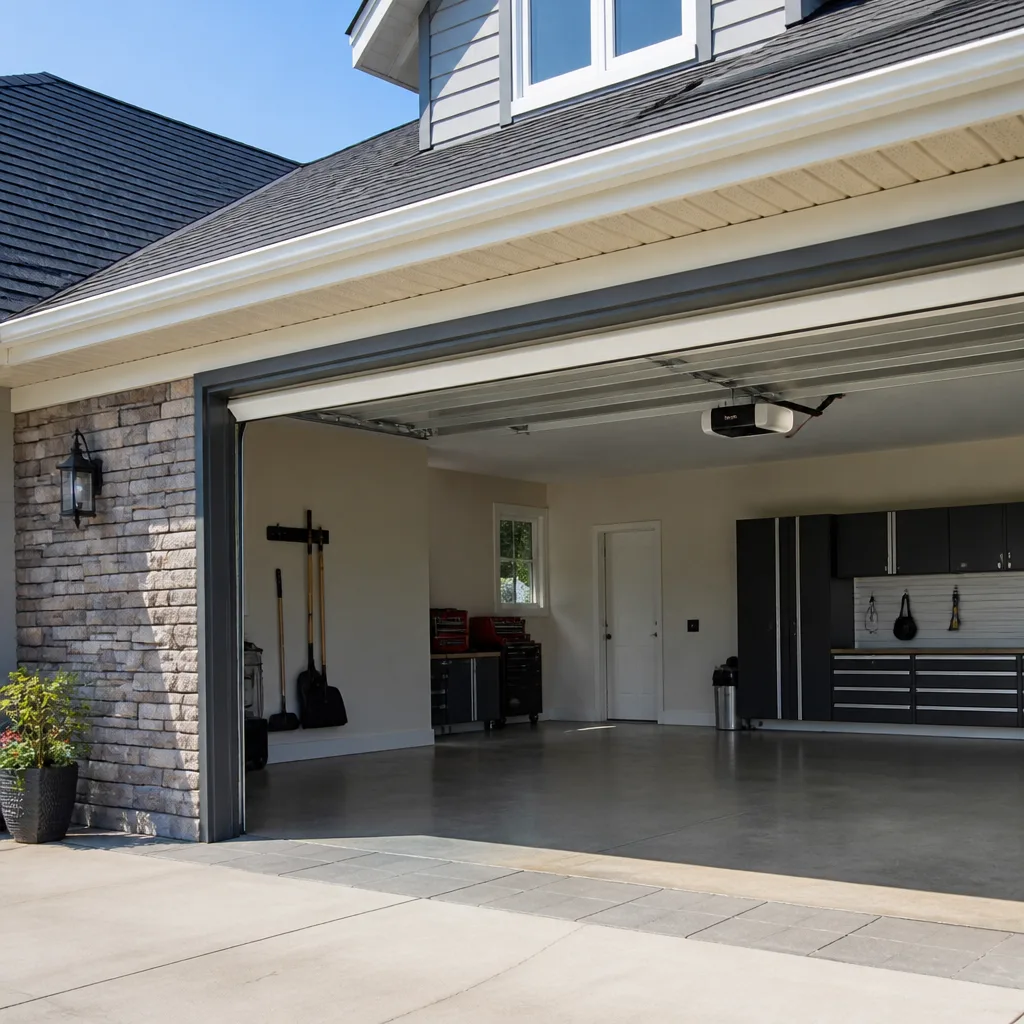 LiftMaster openers
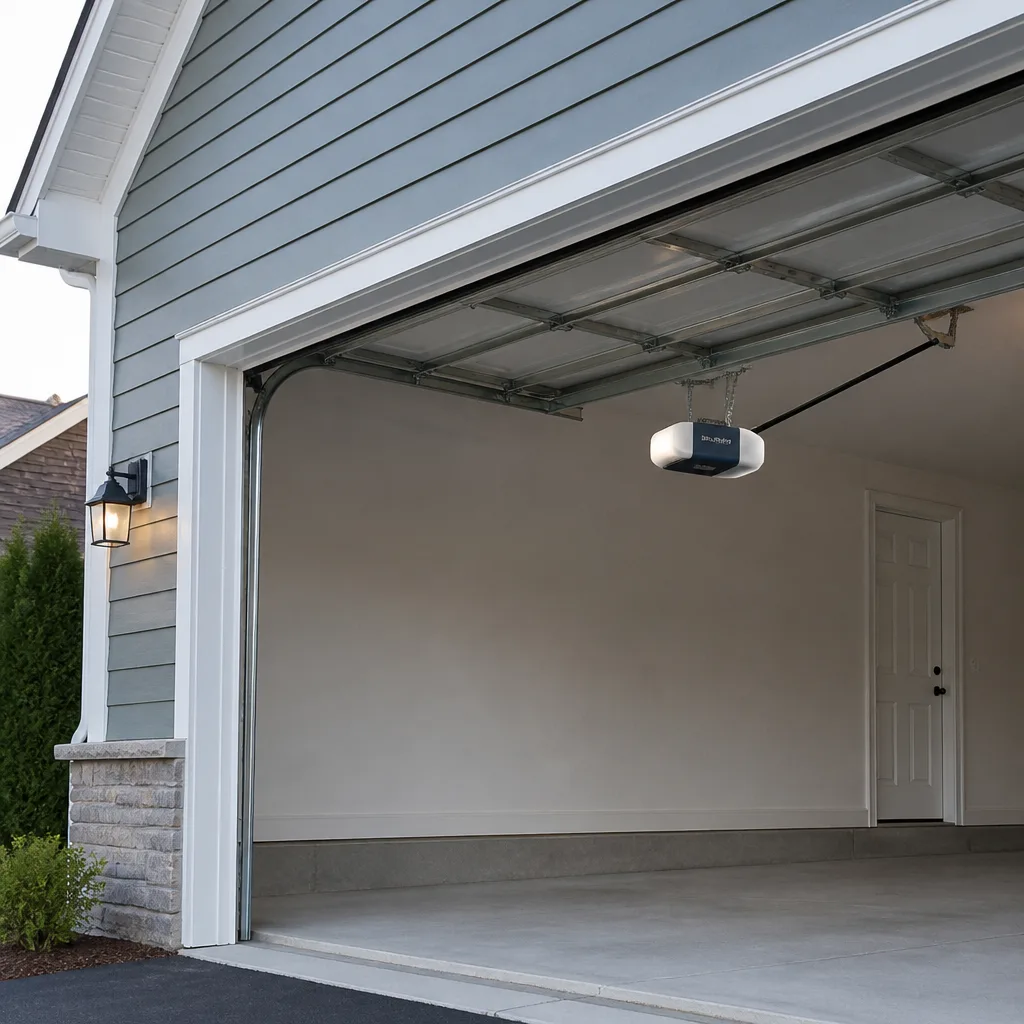 Chamberlain openers
Full 25-point door and opener safety check with every visit - springs, cables, rollers, tracks, and your LiftMaster or Chamberlain opener included
You get a price before we start. It does not change when the pro arrives.
Get your free estimateThe Complete Guide to Garage Doors in Hell’s Kitchen
Most Hell’s Kitchen garages were built before automatic openers existed, which means the average door in this neighborhood is working against its own original design every single day. A door sized for a human arm and a handle, now asked to ride smoothly on a chain-drive opener it was never engineered around, will eventually tell you so. In our experience, the failures we see across Hell’s Kitchen rarely come from a bad brand. They come from hardware and a building designed for a different century. This guide covers what actually matters here: low-headroom limits, alley access, Hudson humidity, co-op board approvals, and how to get a specialist out when a door won’t close. Consider it the manual the rest of the internet never wrote for this neighborhood.
Quick Answer
Garage door problems in Hell’s Kitchen usually come down to tight clearances, aging hardware, and building rules rather than faulty brands. A trained technician should measure your headroom, side room, and track configuration before recommending any opener or door, and co-op or condo board approval often has to come before ordering, not after. Most repairs, including spring and opener work, can be handled by a specialist who services all major brands; full replacements take longer because of measuring, lead times, and building sign-off. Our technicians have up to 9 years of experience with these exact conditions.
Styles & brands we work with
- Raised-panel steel
- Carriage house
- Modern flush
- Full-view glass
- LiftMaster openers
- Chamberlain openers
Table of Contents
- Low-Headroom and Side-Room Limits in Older Hell’s Kitchen Garages
- Detached Carriage Houses, Below-Grade Parking, and In-Building Garages
- Which Door Materials Hold Up Against Hudson River Humidity
- Co-op and Condo Board Approvals for Manhattan Buildings
- Why Brand Compatibility Matters in Dense Urban Installs
- Springs, Cables, and Why They’re a Specialist Job
- Choosing and Repairing an Opener That Fits Your Building
- What Repairs and Replacements Typically Cost in Hell’s Kitchen
Low-Headroom and Side-Room Limits in Older Hell’s Kitchen Garages
Headroom is the vertical space above your door when it’s open. Side room is the horizontal clearance to the left and right of the door. In a suburban build, you usually have plenty of both, so installers fit standard torsion springs, a standard track radius, and a full-size opener without thinking about it. In Hell’s Kitchen, those measurements are frequently the whole job. We’ve measured garages where the ceiling dips right above the track, where a structural beam cuts the corner, or where the side room is measured in a few inches. Before any opener or door gets ordered, these numbers decide what will actually fit.
Here’s how headroom and side room change your options:
- Low headroom above the door: a standard 12-inch track radius may not work, and a low-headroom track setup or a jackshaft opener (mounted beside the door instead of hanging from the ceiling) may be the only choices.
- Minimal side room: torsion springs are usually mounted above the door, but on some narrow setups they have to go on the side, which changes the hardware configuration.
- Obstructed ceiling: a beam, duct, or soffit can block the opener rail; the opener has to be relocated, converted to jackshaft, or the building has to accept a different track style.
- Sloping or uneven floor: common in converted carriage houses, and it affects door balance, weather seal fit, and how the opener travel is set.
A technician who skips these measurements and installs a standard setup anyway is setting you up for a door that binds, a motor that strains, or a track that fouls the frame within the first year. When we handle Garage Door Repair Hell’s Kitchen, the measurement step is not optional. If you’re working with an unfamiliar building, ask whoever quotes the job to bring a tape measure and show you the numbers, not just a catalog page.
Detached Carriage Houses, Below-Grade Parking, and In-Building Garages
Hell’s Kitchen has at least three garage setups that behave nothing alike, and treating them the same is where generic guides fall apart. A detached carriage house behind a row of walkups has one set of issues: a low timber-framed roof structure, a narrow approach through an alley, and a door sized for early 20th century cars. Below-grade parking has another set: retaining walls, moisture from the ground, tight turning space, and often a shared ramp or shared door that multiple residents depend on. In-building garages, tucked under a co-op or condo building, add the building’s own rules and the reality of working inside a residential address.
What changes by configuration:
- Detached carriage house: older timber framing, potential floor slope, alley access that limits the size of equipment brought in, and usually no side room to spare.
- Below-grade parking: ground moisture that pushes on steel components, low ceilings that push you toward jackshaft openers, and emergency access concerns when a door fails with cars trapped inside.
- In-building garage: the door is often shared, so a failure takes out access for everyone until it’s fixed, and the building may have rules about when work can happen and who is allowed on site.
For property managers in Hell’s Kitchen, the in-building and below-grade setups are where emergency service matters most. A single failed door can strand a resident’s car or leave a building open to the street, and that’s not a “next Tuesday” problem. Emergency work is a core part of what we do and available when a broken door can’t wait, so a phone call gets a real plan for getting someone out. We recommend that any property manager with a shared garage keep a documented door type, opener brand, and spring type on file, so a first-time garage door repair call doesn’t start from scratch.
Which Door Materials Hold Up Against Hudson River Humidity
The west side of Hell’s Kitchen runs along the Hudson River corridor, and that stretch gets noticeably more moisture in the air than the blocks east of Ninth Avenue. It’s not coastal corrosion, but it is humidity, and humidity is patient. It finds its way into unsealed wood, into the grain of a lower-grade steel panel, into hinges that never got lubricated, and into the seams of a door that doesn’t sit flush against a warped frame. The right material for a Hell’s Kitchen door is less about trends and more about how a specific door will wear when moisture is a daily companion.
What we’ve found holding up best in this climate:
- Insulated steel: a strong default for Hell’s Kitchen. It resists humidity well when the paint or finish stays intact, and it’s easy to maintain. Any scratch or ding that goes to bare metal needs touching up quickly, because that’s where moisture starts to work.
- Aluminum with a wood-look finish: a solid option for doors that need a carriage-house look without the moisture takeup of real wood. Look for coated or extruded aluminum rather than raw mill finish.
- Wood: beautiful and period-appropriate for old carriage houses, but needs sealing on a schedule. In this neighborhood’s humidity, “once and done” doesn’t apply.
- Fiberglass or composite: resists moisture well and can mimic wood, though it can be less forgiving to impact. Worth asking about impact resistance for doors facing an alley where a garbage truck turns regularly.
Whatever the material, the seal matters as much as the panel. A well-made door with a bad bottom seal lets in water, drafts, and pests. A door with a properly fitted seal and intact finish is what keeps a Hell’s Kitchen installation working through a humid summer and a freezing winter without warping.
Co-op and Condo Board Approvals for Manhattan Buildings
In most of the country, replacing a garage door is a homeowner decision. In Hell’s Kitchen, it usually isn’t. If your garage sits inside or under a co-op or condo building, the board often has a say in the door’s appearance, its color, and sometimes the exact model. Alteration agreements, work hours, insurance certificates from the contractor, and building access rules are all typical requirements before a project starts. The homeowner who orders a door before checking with the board is the one who ends up with a delivered door the building won’t let them install.
A simple order of operations saves weeks:
- Read the building’s alteration rules first. Ask the managing agent or super specifically about garage door changes, since some buildings treat them as a facade item.
- Get the board’s sign-off on style, color, and model before ordering. A written approval avoids disputes later.
- Confirm the contractor’s paperwork. Buildings typically want a certificate of insurance and may want to know exactly who is coming on site.
- Schedule installation around building rules, not just around your own schedule. Some buildings restrict work hours.
- Keep the approval and the invoice together for your records and for future resale or refinancing.
We can’t promise a timeline, because every board moves at its own pace, but the paperwork goes faster when you start it early. For more on the installation side, including measuring and door type selection, see our garage door installation page. And if you’re managing a building, it’s worth asking a technician to inspect the door before you put the project on the board’s agenda, so you have a professional assessment in hand.
Why Brand Compatibility Matters in Dense Urban Installs
In a wide-open suburb, a technician can bring any brand of opener or hardware and make it work, because there’s room to adapt, add brackets, and change the rail. In a Hell’s Kitchen garage, there usually isn’t. When side room is a few inches and headroom is tight, the difference between a LiftMaster jackshaft and a Chamberlain chain-drive isn’t just preference. One fits the space and one doesn’t. Brand compatibility matters here because a tech who only works on two or three brands may end up telling you the only option is a full changeout, when a service call on your existing unit would have done the job.
We work across all eight leading garage door brands: LiftMaster, Chamberlain, Genie, Clopay, Amarr, Wayne Dalton, Craftsman, and Raynor. That matters less as a marketing line and more in practice. It means:
- If your building’s door is a Clopay or Amarr, we can work on it without a “we don’t service that” call.
- If your opener is a Wayne Dalton or Raynor, we know the parts, the quirks, and the replacements that fit existing rails.
- If you’re still running a Craftsman opener from years back, we can troubleshoot it, repair it, or swap it for a modern unit that fits the same rail footprint.
- If you’re facing an emergency in a shared in-building garage, we can diagnose and get moving without tracking down a brand-specific specialist.
This is what “one call covers it” actually means on a Hell’s Kitchen job. Repair, opener work, springs, and full replacement under one company, on the brands already in your building. It’s the difference between a generalist guessing and a garage door opener repair specialist who already knows the layout.
Springs, Cables, and Why They’re a Specialist Job
Those springs above your door hold enormous mechanical tension, and when one lets go, the sound is not subtle. Spring and cable replacement is the most dangerous work in this trade and we do not write DIY instructions for it on purpose. A failed spring can whip, and a cable under load can injure someone who isn’t expecting it. Every garage door spring and cable job should be done by a trained technician with the right tools and the right knowledge of the specific door’s weight and track setup.
What you can safely check and observe:
- The door’s balance: a properly balanced door lifts and stays. If it slams down or feels impossibly heavy, the springs are the likely culprit, and it’s time for a call.
- Visible damage: a spring with a visible gap or a stretched, uneven coil usually means it’s failed or about to. Don’t touch it; note it.
- Uneven lift: if one side of the door rises before the other, the springs or cables are out of balance. Stop using the door.
- Scraped paint or rust: springs will sometimes show it before they fail. Not a guarantee, but worth photographing for the technician.
Spring replacement in Hell’s Kitchen runs in the same general range as it does elsewhere in NYC, and we give a written estimate before any work starts, so the quote is the price. Our technicians have up to 9 years of experience specifically on spring and cable work, and this is one of the jobs where that experience matters most.
Choosing and Repairing an Opener That Fits Your Building
An opener is only as good as the door it’s driving and the space it lives in. In a Hell’s Kitchen garage with tight headroom, a standard chain-drive opener is often the wrong fit, and a jackshaft opener solves the problem in ways that save more than just the ceiling. Belt-drive openers are quieter, which matters when the garage is under a resident’s bedroom or next to a neighbor’s wall. Screw-drive is durable and low-maintenance. In below-grade or in-building setups, battery backup capability can be the difference between a functional garage and a stuck one during a power outage.
Before you replace an opener, ask:
- Does the door balance properly? An unbalanced door will burn out a new opener fast, so fix the door first.
- Does the current opener still work with your remotes and keypad? A repair is often cheaper than replacement if the motor is healthy and just a component has failed.
- Does the space above your door allow a standard rail? If not, a jackshaft or wall-mount is the answer.
- Is the wall button (the interior wall control) working? If it does and the remotes don’t, that’s usually a remote or receiver issue, not a dead opener.
- Do you need battery backup for outages? Worth raising in a building with shared garage access.
If the door won’t move at all, that’s the emergency category, and we’d rather get a technician out to diagnose than guess. We service all major opener brands, so you don’t need to find a brand-specific contractor in Hell’s Kitchen first.
What Repairs and Replacements Typically Cost in Hell’s Kitchen
Exact pricing depends on your door, opener, and building, so we don’t quote final numbers until we’ve seen the space. These are typical estimated ranges for Hell’s Kitchen jobs. The written estimate is what sets the final price, and it’s quoted before any work starts, so there are no surprises at the end.
- Single spring replacement: typically $180-$340. Because a matched pair is usually replaced together, a full pair runs about twice that per spring.
- Opener repair (component-level): typically $150-$300, depending on the part and opener type.
- Full opener replacement: typically $350-$700 installed, with jackshaft and belt-drive units at the higher end.
- Track or panel repair: typically $150-$450, depending on whether the track needs straightening or a panel needs replacing.
- Full door replacement: varies with material, size, and building approval. A written estimate follows the measure.
- Emergency service: priced on the call, quoted up front, and confirmed before the technician starts.
Two things drive price up in Hell’s Kitchen specifically. One is access: a carriage-house alley with a tight approach or a below-grade garage with a narrow turn is slower to work in than a suburban driveway. Two is choice: a low-headroom space may limit which openers fit, and co-op or condo rules may limit which door will be approved. Ask for the estimate in writing, ask which line items are firm and which depend on what the technician finds, and don’t accept a price that sounds too good to be a real measurement.
Common Mistakes to Avoid
- Ordering a door before checking the co-op or condo board’s rules. Hell’s Kitchen buildings often treat a garage door as a facade element, and a door the board won’t approve becomes a costly mistake.
- Skipping the headroom and side-room measurements. A standard opener and track won’t fit a tight garage, and forcing them in costs more than doing the setup right the first time.
- Ignoring an unbalanced door. A door that lifts unevenly or slams down will eventually burn out the opener, so fix the door before replacing the motor.
- Assuming any technician can handle your brand. A generalist may lack the tools or knowledge for a Wayne Dalton or Raynor setup. Verify brand coverage before booking.
- Trying to replace a spring or cable yourself. This is the most dangerous job in the trade and requires a trained specialist. Don’t.
- Choosing a door purely on looks. Humidity along the Hudson corridor wears on unsealed wood and scratched steel. Match the material to the climate and the building.
- Waiting on a shared in-building garage failure. A stuck door in a shared garage locks out every resident and often leaves the building open. Call for emergency service instead of waiting for a routine slot.
See the difference
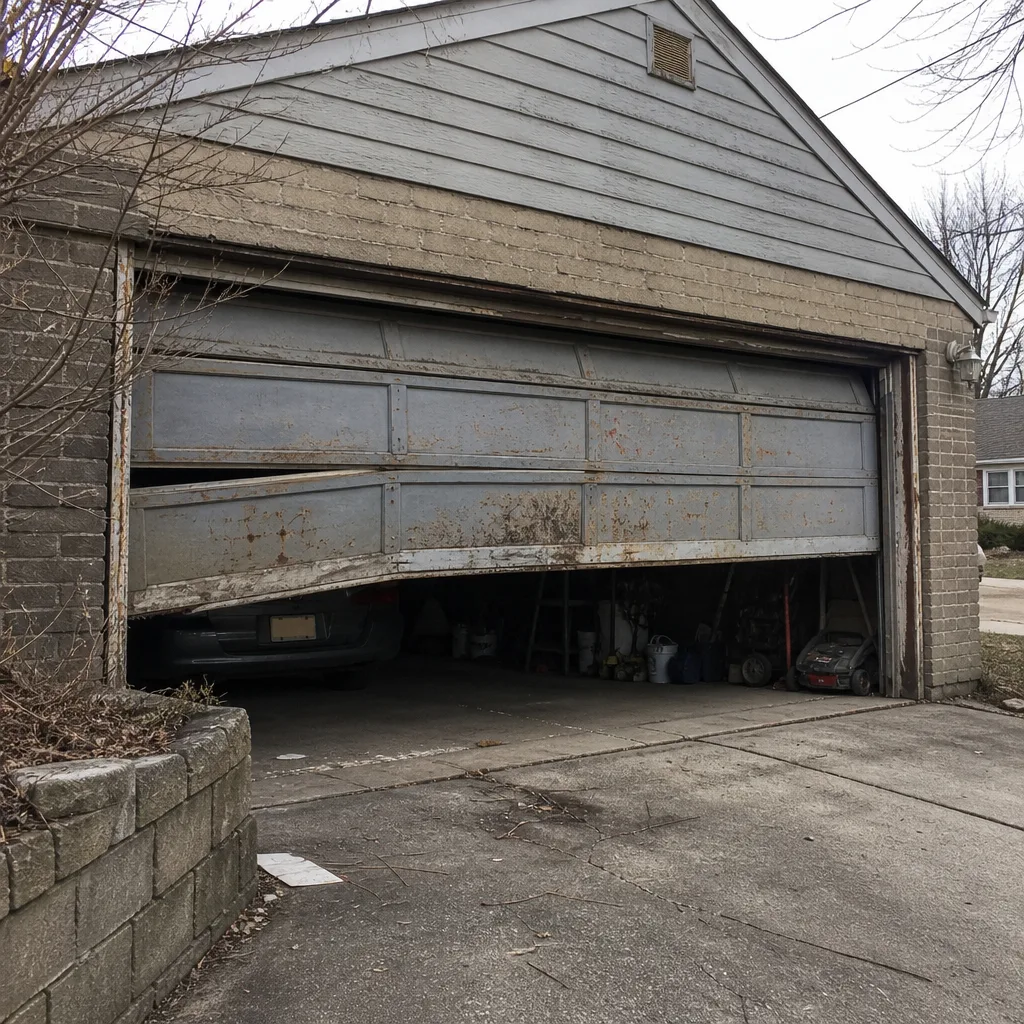 Before
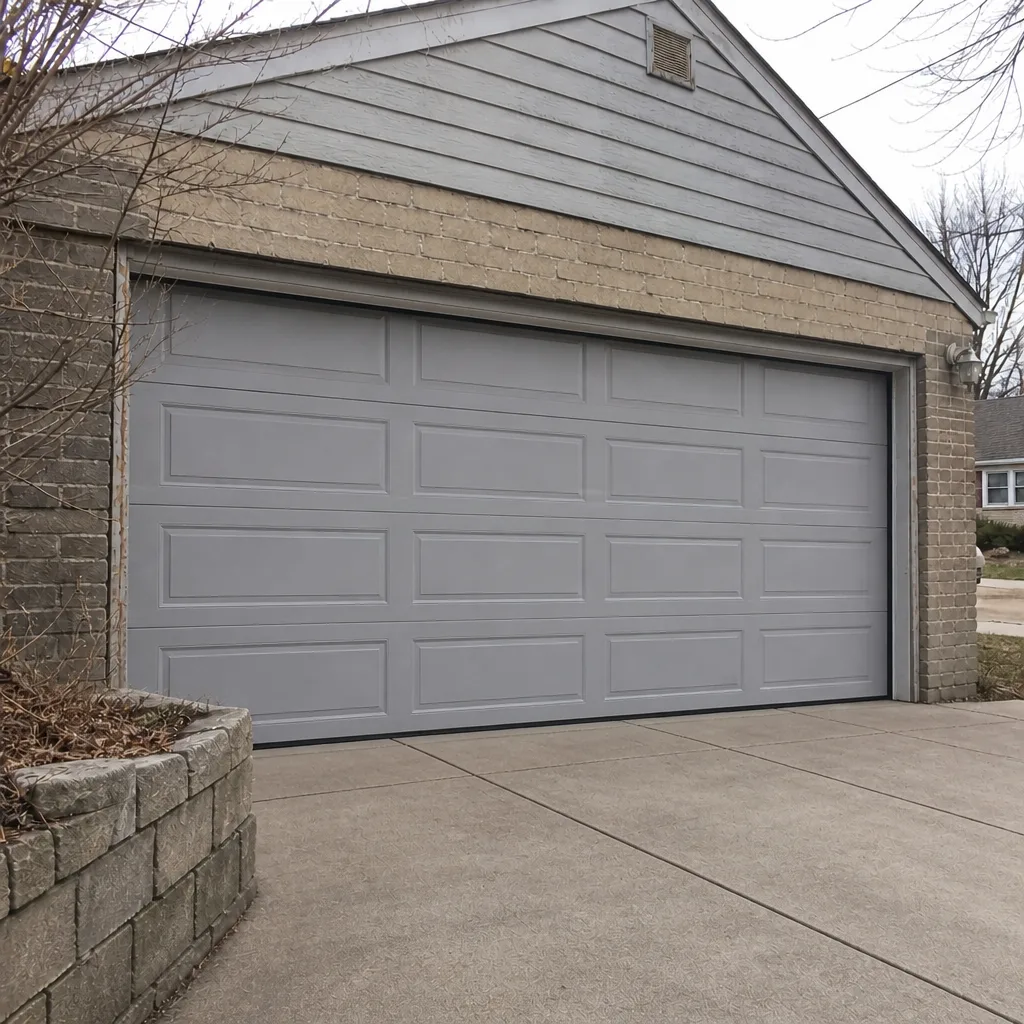 After
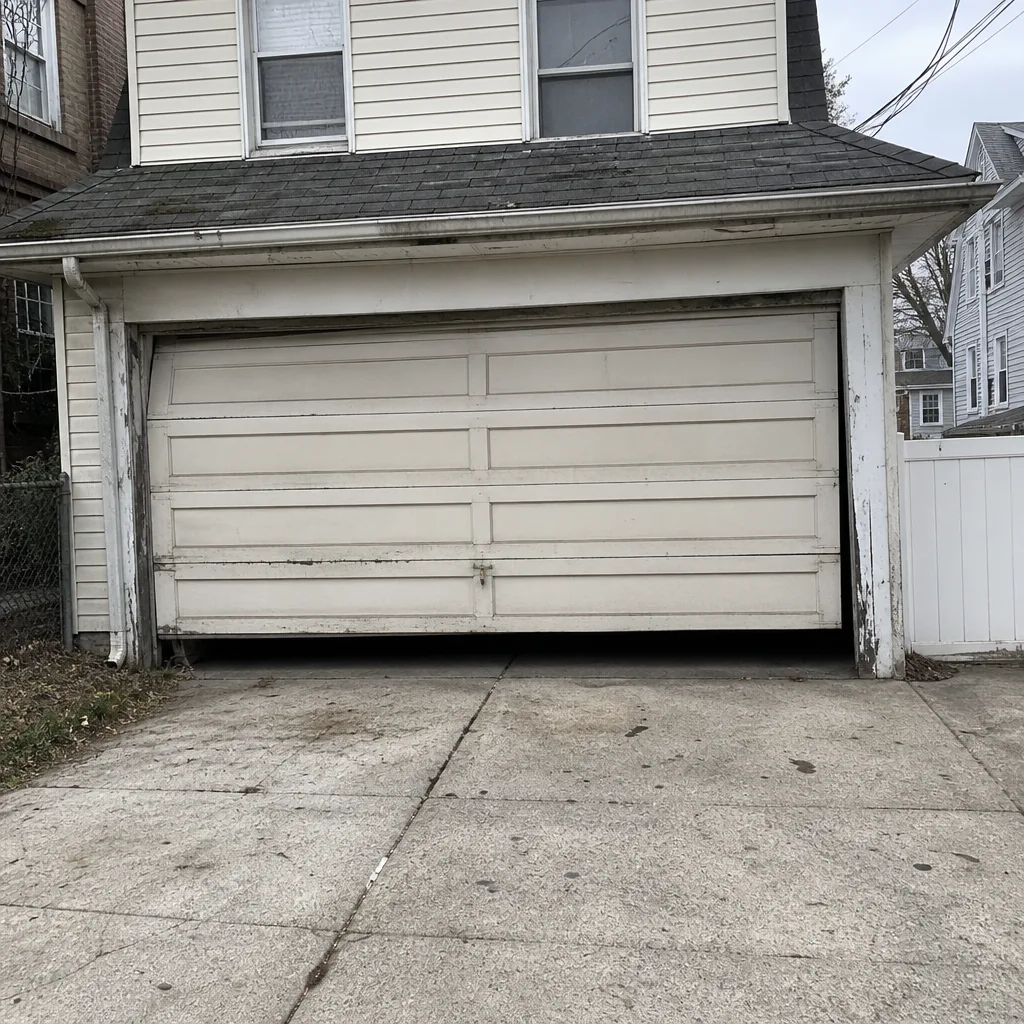 Before
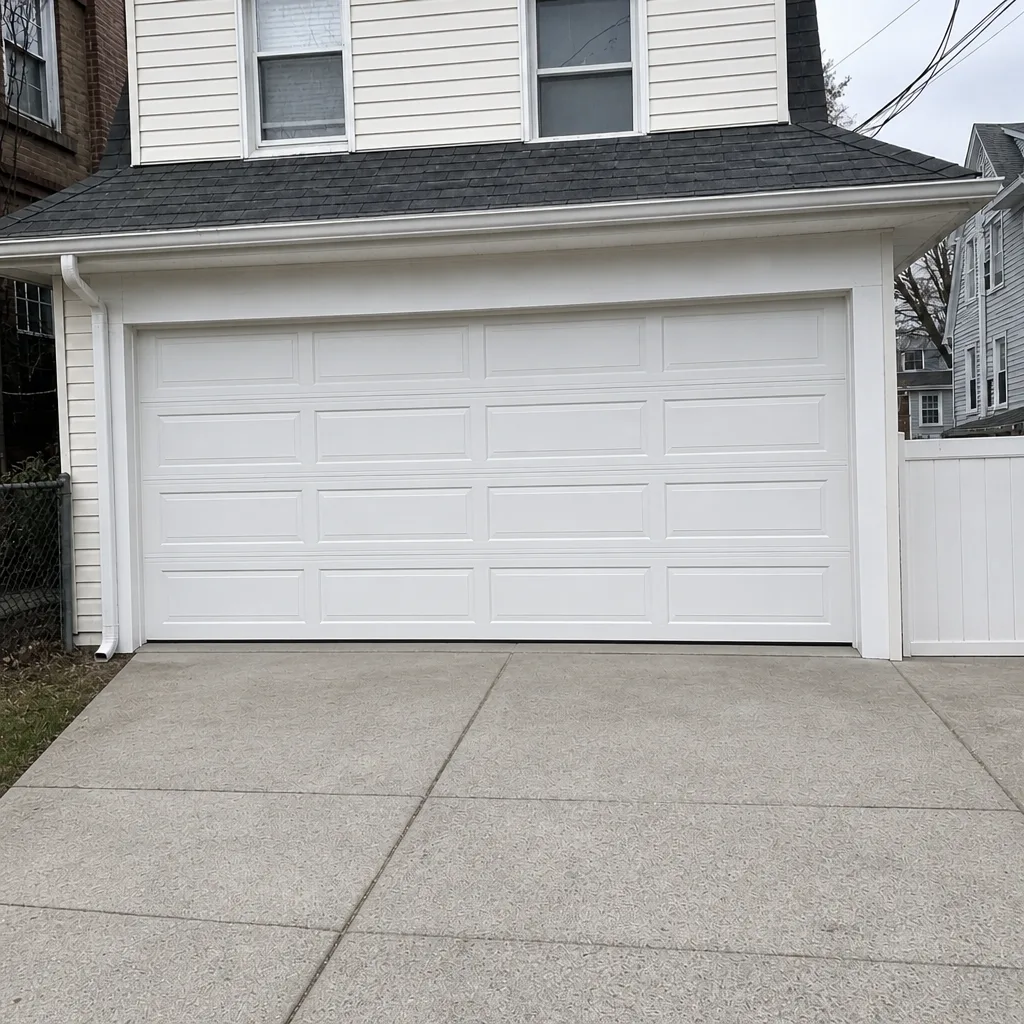 After
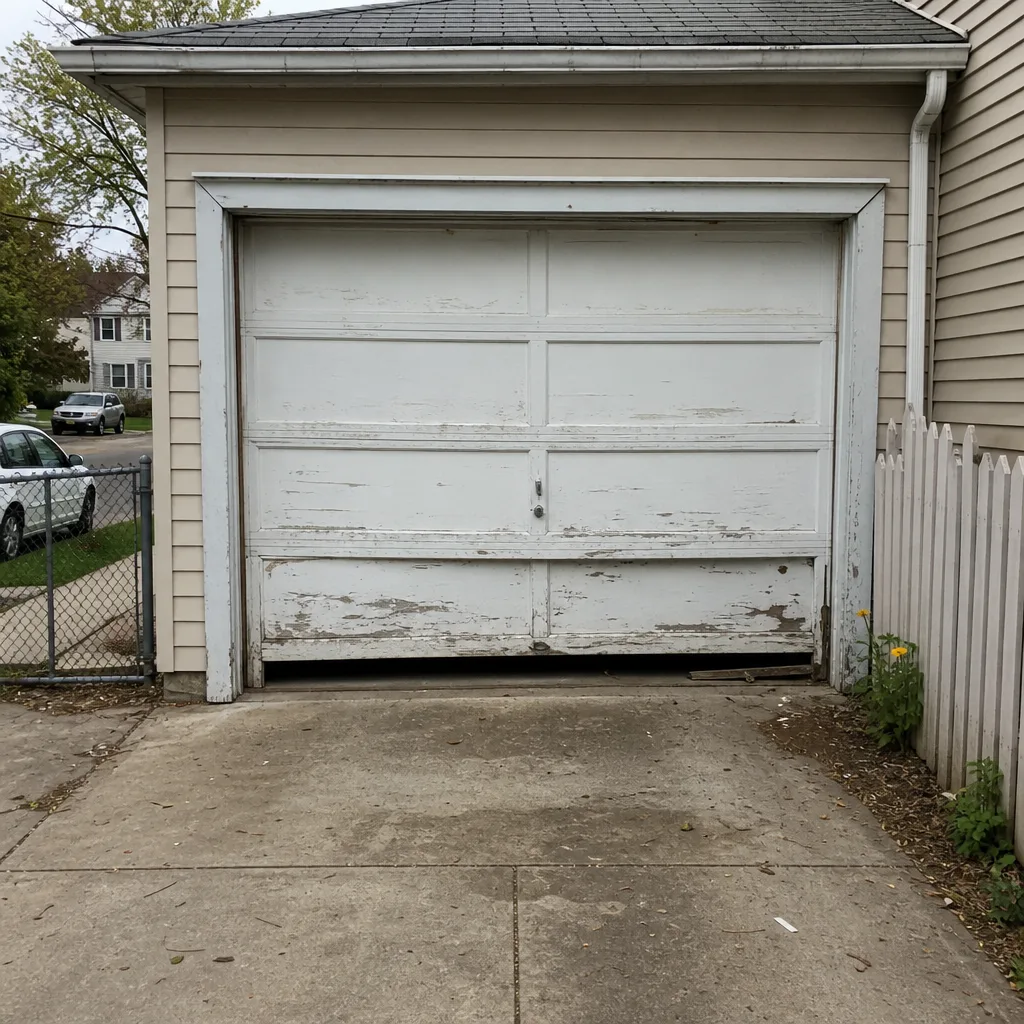 Before
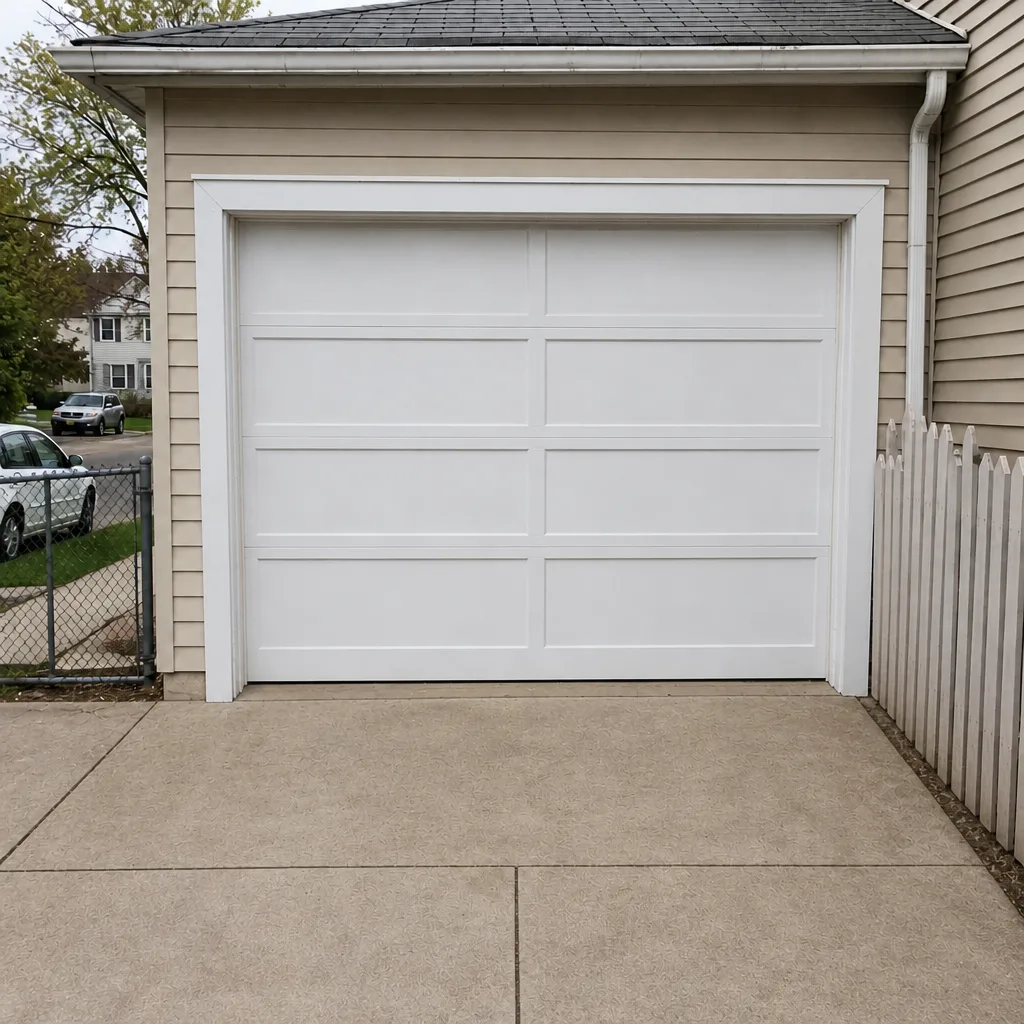 After
When to Call a Professional
Some garage door issues are safe to observe, and some need a technician. Call for garage door work in Hell’s Kitchen when you see a snapped or visibly damaged spring, hear the door slam or lift unevenly, or find that the opener runs but the door doesn’t move. Call when the door won’t close all the way and your parking is below grade, because a partially open door in a Manhattan building is a security concern, not a nuisance. Call if the door in a shared garage has failed and residents are blocked from their cars. And call before you order a replacement, so measurement, headroom, and building approval are handled in the right order. Garage Door Repair Hell’s Kitchen offers free estimates in Hell’s Kitchen. Call (877) 801-5288, and we’ll get a technician out to measure, diagnose, and give you a written price before any work begins.
Frequently Asked Questions
Usually yes, if the garage is inside or under a co-op or condo building. Many Hell’s Kitchen buildings treat the garage door as a facade element, which means the board reviews style, color, and sometimes the exact model before you order. Get written approval first, then schedule the measure and installation.
Many Hell’s Kitchen garages were built before automatic openers existed, so headroom and side room are often too tight for a standard rail. A low-headroom track, a jackshaft opener, or a wall-mounted unit is often the only fit. A technician should measure before recommending an opener.
For most repairs, yes. Same-day service is available for common failures like spring, opener, and track issues, and emergency service is available when the door can’t wait. Call (877) 801-5288 for an exact quote, and estimates are free.
No, not for the work you’ve been quoted. We inspect first, then give a written estimate, and the price is agreed before any work starts. If additional issues come up during the job, we stop and re-quote before continuing, so you’re never surprised at the end.
We work on all eight leading garage door brands: LiftMaster, Chamberlain, Genie, Clopay, Amarr, Wayne Dalton, Craftsman, and Raynor. If your opener or door is one of these, we can handle repair, parts, or replacement without a brand-specific referral.
Yes. The local professionals we connect you with are licensed and insured as the state requires, and our technicians have up to 9 years of experience on garage door systems. For co-op or condo buildings, we can provide the documentation the managing agent needs before the work begins.
The Bottom Line
Garage doors in Hell’s Kitchen are not suburban projects, and a guide written for a wide suburban driveway will send you down the wrong path. What works here is measurement first, an honest conversation about headroom and side room, a door material that survives the Hudson River humidity corridor, and a specialty contractor who can service your brand, your opener, and your springs under one call. Co-op and condo rules may add a step, but starting the paperwork early solves most of that. Our technicians have up to 9 years of experience working in tight urban garages, and we cover the full spectrum from emergency calls to full garage door installation. If you’d like a real estimate from someone who knows this neighborhood, call (877) 801-5288 for a free estimate today.
Written by the team at Garage Door Repair Hell’s Kitchen.